

Give the Gift of Choice!
Too many options? Treat your friends and family to their favourite stores with a Bayshore Shopping Centre gift card, redeemable at participating retailers throughout the centre. Click below to purchase yours today!Purchase HereHome
Making Hard Choices Journalism Ethics: Cases and Practice
Coles
Loading Inventory...
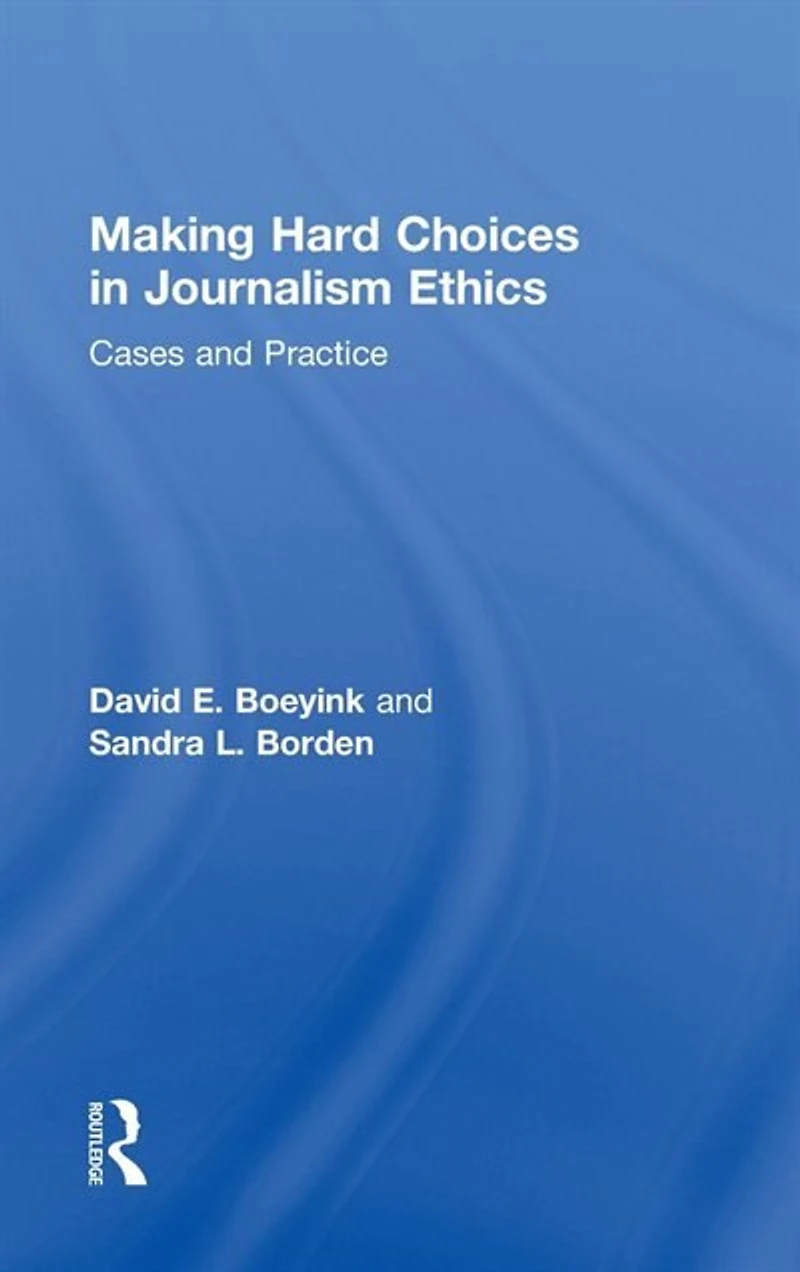
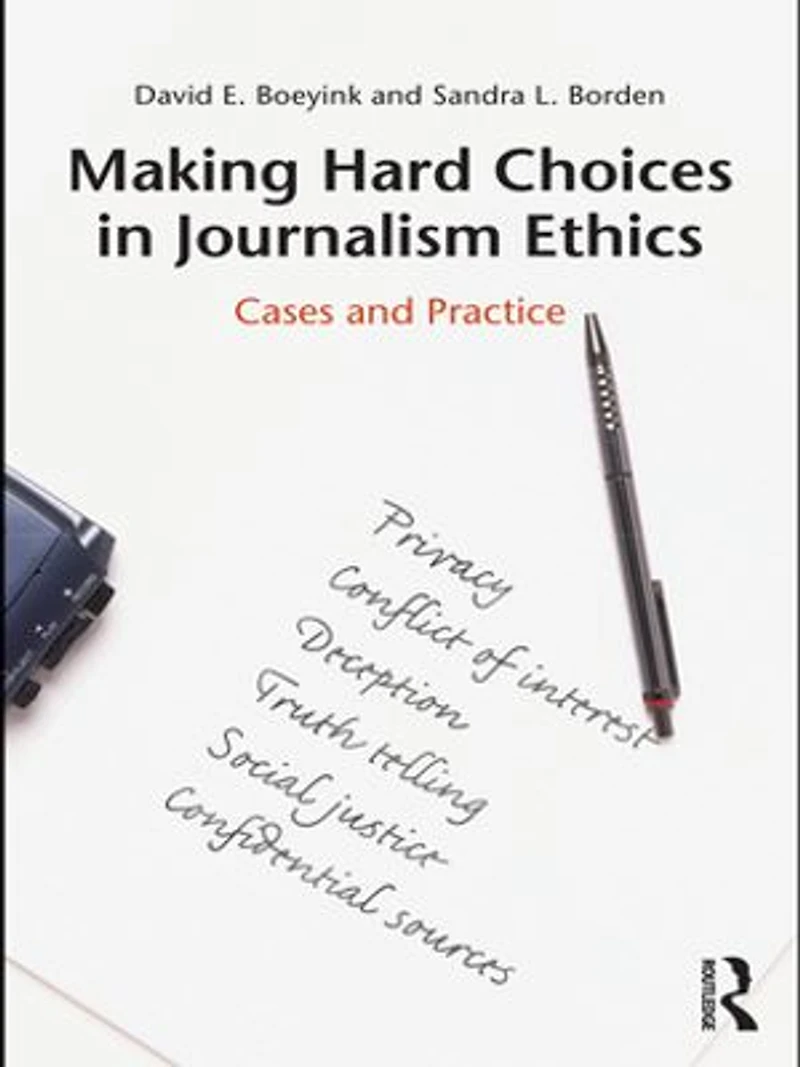
Making Hard Choices Journalism Ethics: Cases and Practice in Ottawa, ON
Current price: $296.50

Making Hard Choices Journalism Ethics: Cases and Practice in Ottawa, ON
Current price: $296.50
Loading Inventory...
Size: Hardcover
*Product information may vary - to confirm product availability, pricing, shipping and return information please contact Coles
This book teaches students how to make the difficult ethical decisions that journalists routinely face. By taking a case-based approach, the authors argue that the best way to make an ethical decision is to look closely at a particular situation, rather than looking first to an abstract set of ethical theories or principles. This book goes beyond the traditional approaches of many other journalism textbooks by using cases as the starting point for building ethical practices. Casuistry, the technical name of such a method, develops provisional guidelines from the bottom up by reasoning analogically from an "easy" ethical case (the "paradigm") to "harder" ethical cases. Thoroughly grounded in actual experience, this method admits more nuanced judgments than most theoretical approaches.
This book teaches students how to make the difficult ethical decisions that journalists routinely face. By taking a case-based approach, the authors argue that the best way to make an ethical decision is to look closely at a particular situation, rather than looking first to an abstract set of ethical theories or principles. This book goes beyond the traditional approaches of many other journalism textbooks by using cases as the starting point for building ethical practices. Casuistry, the technical name of such a method, develops provisional guidelines from the bottom up by reasoning analogically from an "easy" ethical case (the "paradigm") to "harder" ethical cases. Thoroughly grounded in actual experience, this method admits more nuanced judgments than most theoretical approaches.
You May Also Like









More About Coles at Bayshore Shopping Centre
Coles is renowned for its outstanding customer service and great selection of books. Along with the vast array of magazines, stationary, audio-books, children's literature, fiction, non-fiction and reference books, you can find accessories to make your reading experience more pleasurable. We can recommend the very best in reading today. We will help you search our titles for exactly what you need, and if we do not have it in stock, we will order it for you.
100 Bayshore Dr, Nepean, ON K2B 8C1, Canada
Find Coles at Bayshore Shopping Centre in Ottawa, ON
Visit Coles at Bayshore Shopping Centre in Ottawa, ON