

Give the Gift of Choice!
Too many options? Treat your friends and family to their favourite stores with a Bayshore Shopping Centre gift card, redeemable at participating retailers throughout the centre. Click below to purchase yours today!Purchase HereHome
Making Sense of Cyber Capabilities for Small States: Case Studies from the Asia-Pacific
Coles
Loading Inventory...
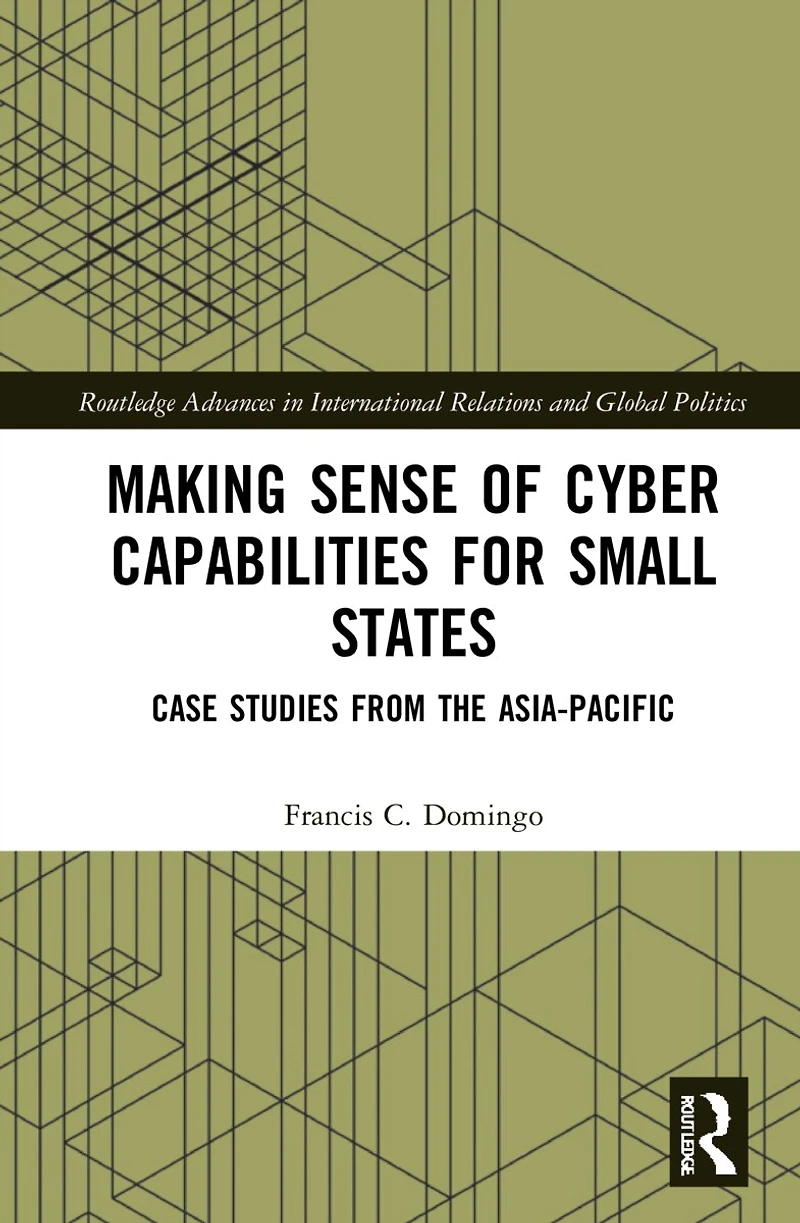
Making Sense of Cyber Capabilities for Small States: Case Studies from the Asia-Pacific in Ottawa, ON
Current price: $296.50

Making Sense of Cyber Capabilities for Small States: Case Studies from the Asia-Pacific in Ottawa, ON
Current price: $296.50
Loading Inventory...
Size: Hardcover
*Product information may vary - to confirm product availability, pricing, shipping and return information please contact Coles
Domingo explores the potential of cyber capabilities for small states in the Asia-Pacific, the most active region for cyber conflict. He develops a systematic explanation for why Brunei, New Zealand, and Singapore have developed or are developing cyber capabilities. Studies on cyber conflict and strategy have substantially increased in the past decade but most have focused on the cyber operations of powerful states. This book moves away from the prominence of powerful states and explores the potential of cyber capabilities for small states in the Asia-Pacific, the most active region for cyber conflict. It develops a systematic explanation of why Brunei, New Zealand, and Singapore have developed or are developing cyber capabilities despite its obscure strategic value. The book argues that the distribution of power in the region and a "technology-oriented" strategic culture are two necessary conditions that influence the development of cyber capabilities in small states. Following this argument, the book draws on neoclassical realism as a theoretical framework to account for the interaction between these two conditions. The book also pursues three secondary objectives. First, it aims to determine the constraints and incentives that affect the utilization of cyber capabilities as foreign policy instruments. Second, the book evaluates the functionality of these cyber capabilities for small states. Lastly, it assesses the implications of employing cyber capabilities as foreign policy tools of small states. This book will be an invaluable resource for academics and security analysts working on cyber conflict, military strategy, small states, and International Relations in general.
Domingo explores the potential of cyber capabilities for small states in the Asia-Pacific, the most active region for cyber conflict. He develops a systematic explanation for why Brunei, New Zealand, and Singapore have developed or are developing cyber capabilities. Studies on cyber conflict and strategy have substantially increased in the past decade but most have focused on the cyber operations of powerful states. This book moves away from the prominence of powerful states and explores the potential of cyber capabilities for small states in the Asia-Pacific, the most active region for cyber conflict. It develops a systematic explanation of why Brunei, New Zealand, and Singapore have developed or are developing cyber capabilities despite its obscure strategic value. The book argues that the distribution of power in the region and a "technology-oriented" strategic culture are two necessary conditions that influence the development of cyber capabilities in small states. Following this argument, the book draws on neoclassical realism as a theoretical framework to account for the interaction between these two conditions. The book also pursues three secondary objectives. First, it aims to determine the constraints and incentives that affect the utilization of cyber capabilities as foreign policy instruments. Second, the book evaluates the functionality of these cyber capabilities for small states. Lastly, it assesses the implications of employing cyber capabilities as foreign policy tools of small states. This book will be an invaluable resource for academics and security analysts working on cyber conflict, military strategy, small states, and International Relations in general.
You May Also Like












More About Coles at Bayshore Shopping Centre
Coles is renowned for its outstanding customer service and great selection of books. Along with the vast array of magazines, stationary, audio-books, children's literature, fiction, non-fiction and reference books, you can find accessories to make your reading experience more pleasurable. We can recommend the very best in reading today. We will help you search our titles for exactly what you need, and if we do not have it in stock, we will order it for you.
100 Bayshore Dr, Nepean, ON K2B 8C1, Canada
Find Coles at Bayshore Shopping Centre in Ottawa, ON
Visit Coles at Bayshore Shopping Centre in Ottawa, ON