

Give the Gift of Choice!
Too many options? Treat your friends and family to their favourite stores with a Bayshore Shopping Centre gift card, redeemable at participating retailers throughout the centre. Click below to purchase yours today!Purchase HereHome
Malaria: Poverty, Race, and Public Health the United States
Coles
Loading Inventory...
Malaria: Poverty, Race, and Public Health the United States in Ottawa, ON
Current price: $75.95

Malaria: Poverty, Race, and Public Health the United States in Ottawa, ON
Current price: $75.95
Loading Inventory...
Size: Hardcover
*Product information may vary - to confirm product availability, pricing, shipping and return information please contact Coles
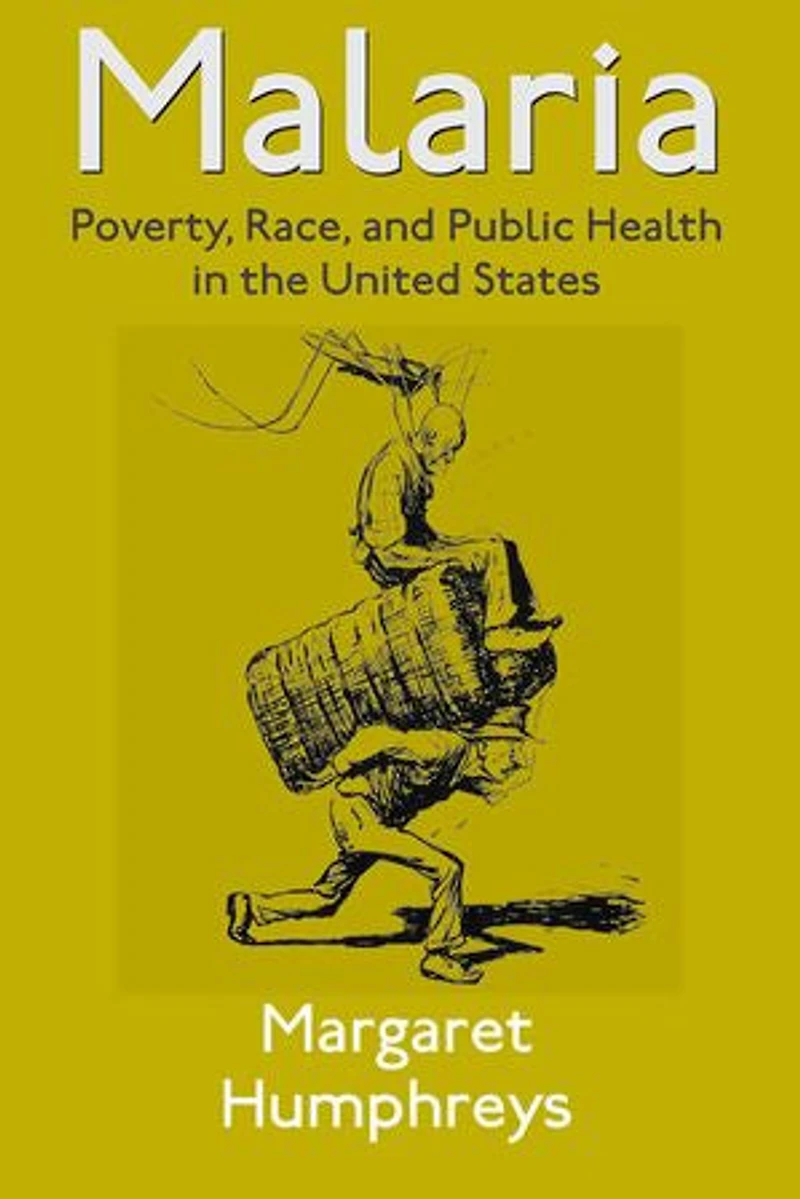
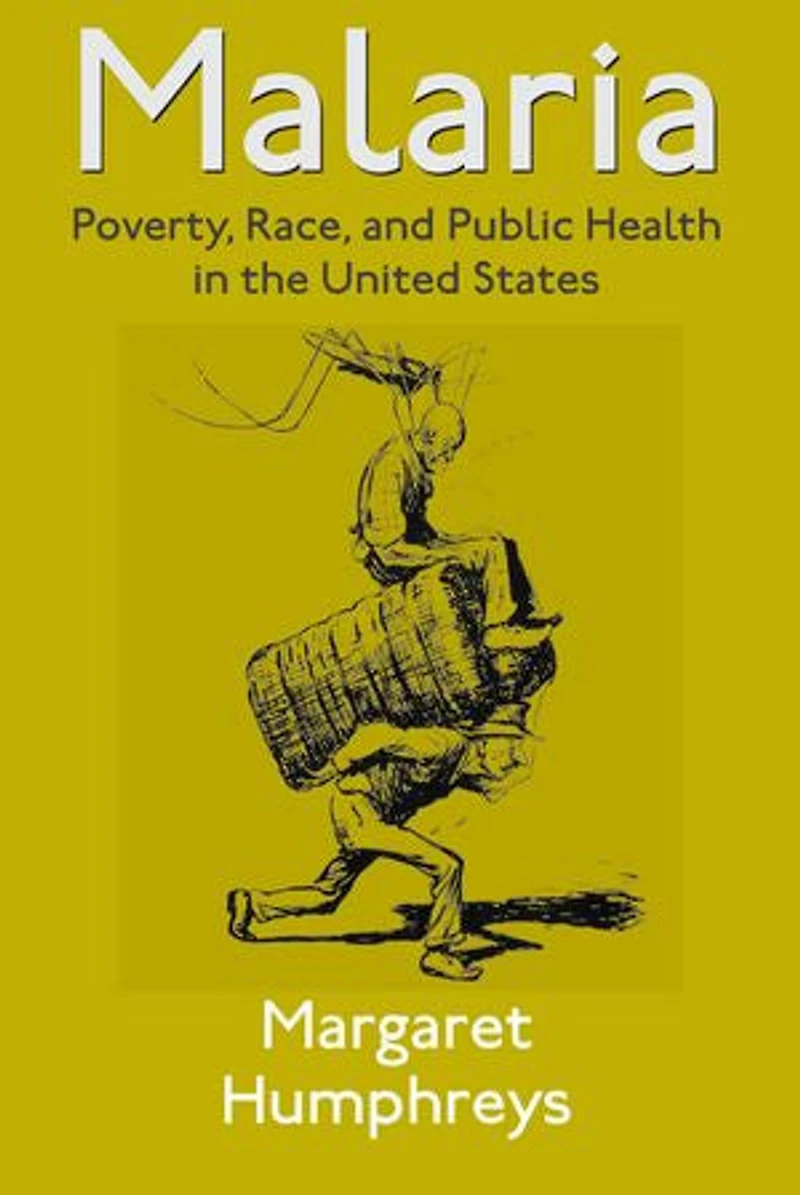
This is the story of a war against a disease that we can never win but must continue to fight. In Malaria: Poverty, Race, and Public Health in the United States , Margaret Humphreys presents the first book-length account of the parasitic, insect-borne disease that has infected millions and influenced settlement patterns, economic development, and the quality of life at every level of American society, especially in the south. Humphreys approaches malaria from three perspectives: the parasite's biological history, the medical response to it, and the patient's experience of the disease. It addresses numerous questions including how the parasite thrives and eventually becomes vulnerable, how professionals came to know about the parasite and learned how to fight them, and how people view the disease and came to the point where they could understand and support the struggle against it. In addition Malaria: Poverty, Race, and Public Health in the United States argues that malaria control was central to the evolution of local and federal intervention in public health, and demonstrates the complex interaction between poverty, race, and geography in determining the fate of malaria.
This is the story of a war against a disease that we can never win but must continue to fight. In Malaria: Poverty, Race, and Public Health in the United States , Margaret Humphreys presents the first book-length account of the parasitic, insect-borne disease that has infected millions and influenced settlement patterns, economic development, and the quality of life at every level of American society, especially in the south. Humphreys approaches malaria from three perspectives: the parasite's biological history, the medical response to it, and the patient's experience of the disease. It addresses numerous questions including how the parasite thrives and eventually becomes vulnerable, how professionals came to know about the parasite and learned how to fight them, and how people view the disease and came to the point where they could understand and support the struggle against it. In addition Malaria: Poverty, Race, and Public Health in the United States argues that malaria control was central to the evolution of local and federal intervention in public health, and demonstrates the complex interaction between poverty, race, and geography in determining the fate of malaria.
You May Also Like








More About Coles at Bayshore Shopping Centre
Coles is renowned for its outstanding customer service and great selection of books. Along with the vast array of magazines, stationary, audio-books, children's literature, fiction, non-fiction and reference books, you can find accessories to make your reading experience more pleasurable. We can recommend the very best in reading today. We will help you search our titles for exactly what you need, and if we do not have it in stock, we will order it for you.
100 Bayshore Dr, Nepean, ON K2B 8C1, Canada
Find Coles at Bayshore Shopping Centre in Ottawa, ON
Visit Coles at Bayshore Shopping Centre in Ottawa, ON