

Give the Gift of Choice!
Too many options? Treat your friends and family to their favourite stores with a Bayshore Shopping Centre gift card, redeemable at participating retailers throughout the centre. Click below to purchase yours today!Purchase HereHome
Managing Unstoppable Learning: (Classroom Behavior Management Strategies to Support Social and Emotional Learning)
Coles
Loading Inventory...
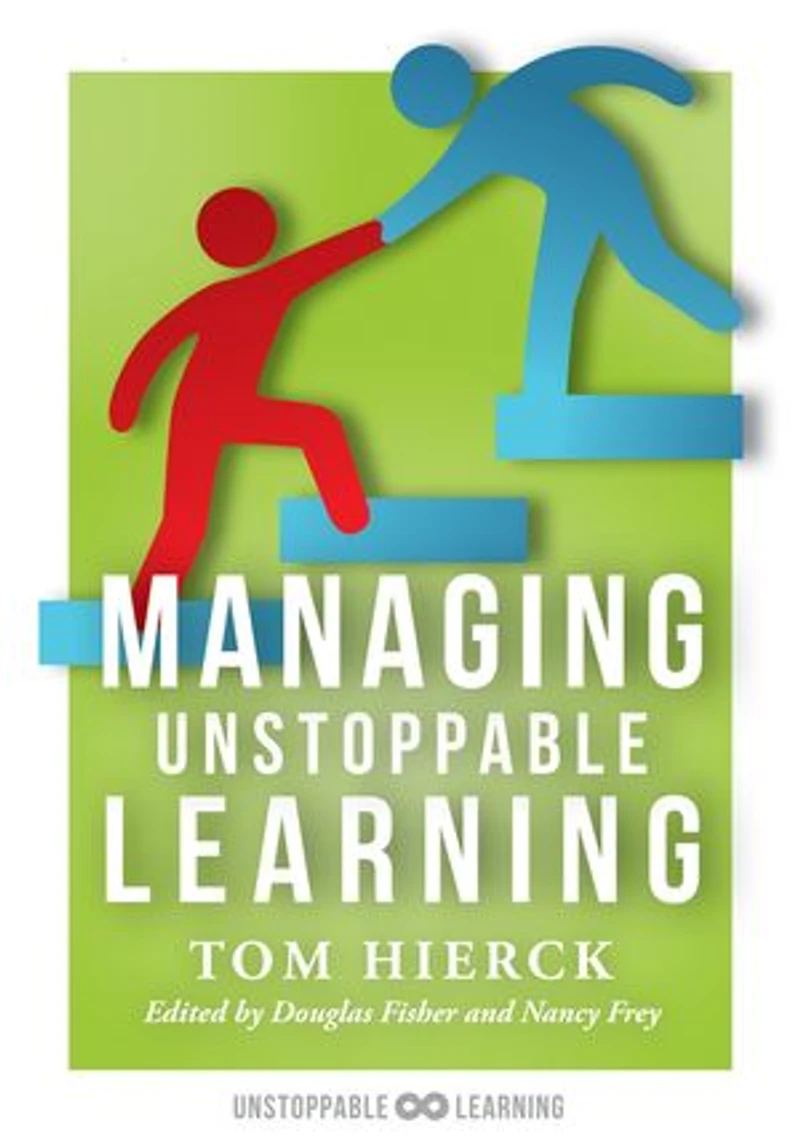
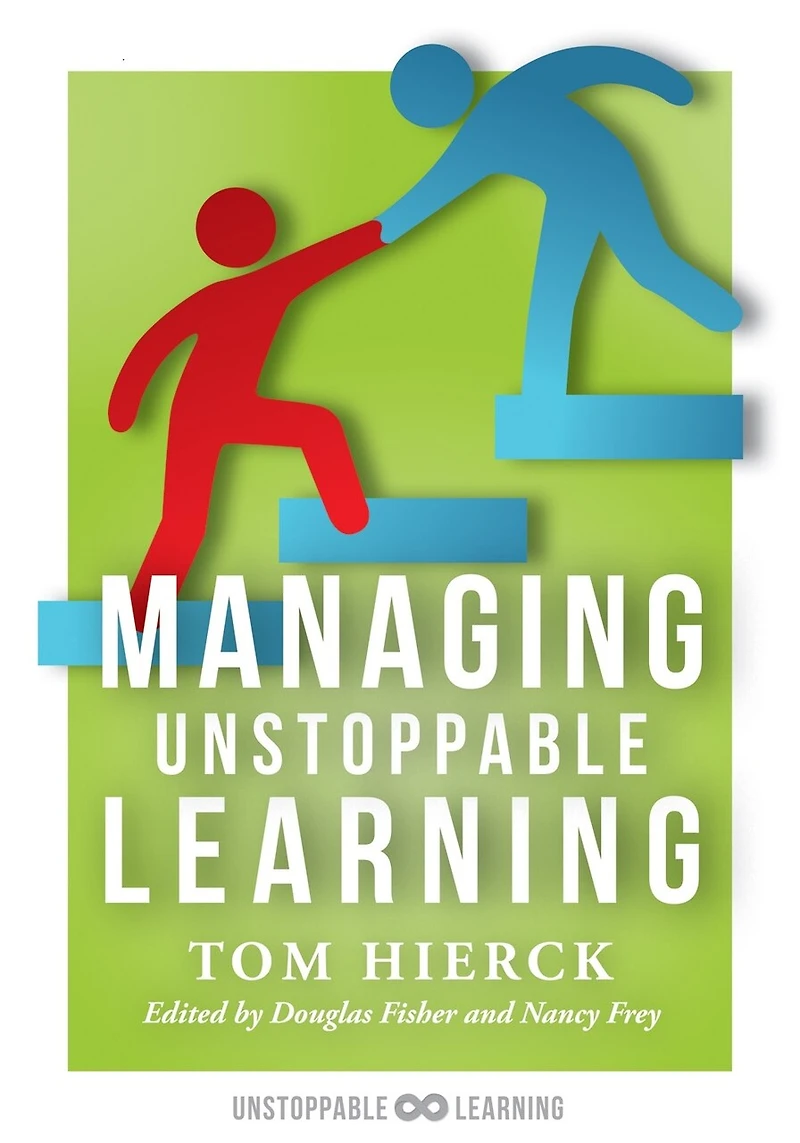
Managing Unstoppable Learning: (Classroom Behavior Management Strategies to Support Social and Emotional Learning) in Ottawa, ON
Current price: $43.99
Original price: $54.99

Managing Unstoppable Learning: (Classroom Behavior Management Strategies to Support Social and Emotional Learning) in Ottawa, ON
Current price: $43.99
Original price: $54.99
Loading Inventory...
Size: Kobo eBook
*Product information may vary - to confirm product availability, pricing, shipping and return information please contact Coles
First introduced in Unstoppable Learning , the Unstoppable Learning framework details seven essential elements of teaching and learning: (1) planning, (2) launching, (3) consolidating, (4) assessing, (5) adapting, (6) managing, and (7) leading. This resource by Tom Hierck focuses specifically on the element of managing learning outcomes in the classroom environment, outlining a collective approach to behavior management strategies and student engagement that minimizes the impact of negative behaviors and maximizes the potential (as well as the social and emotional learning) of each student. Effective classroom management strategies to create a positive learning environment:
Review the Unstoppable Learning framework originally laid out by Douglas Fisher and Nancy Frey. Closely examine how to manage student behavior and classroom climate using the Unstoppable Learning framework's proven approach. Become familiar with classroom management strategies for creating a positive learning environment, developing teacher-student relationships, and dealing with problem behaviors. Benefit from summaries of key points at the end of each chapter, as well as questions for reflection. Access free reproducibles designed for reader reflection on classroom behavior management strategies.
Contents:
Introduction
Chapter 1: Improving Behavior Management Through Cultural Change
Chapter 2: Supporting Teacher-Student Relationships
Chapter 3: Supporting Group Interactions and Peer Relationships
Chapter 4: Supporting a Positive Learning Environment
Chapter 5: Responding to Problem Behaviors
Epilogue
Appendix
First introduced in Unstoppable Learning , the Unstoppable Learning framework details seven essential elements of teaching and learning: (1) planning, (2) launching, (3) consolidating, (4) assessing, (5) adapting, (6) managing, and (7) leading. This resource by Tom Hierck focuses specifically on the element of managing learning outcomes in the classroom environment, outlining a collective approach to behavior management strategies and student engagement that minimizes the impact of negative behaviors and maximizes the potential (as well as the social and emotional learning) of each student. Effective classroom management strategies to create a positive learning environment:
Review the Unstoppable Learning framework originally laid out by Douglas Fisher and Nancy Frey. Closely examine how to manage student behavior and classroom climate using the Unstoppable Learning framework's proven approach. Become familiar with classroom management strategies for creating a positive learning environment, developing teacher-student relationships, and dealing with problem behaviors. Benefit from summaries of key points at the end of each chapter, as well as questions for reflection. Access free reproducibles designed for reader reflection on classroom behavior management strategies.
Contents:
Introduction
Chapter 1: Improving Behavior Management Through Cultural Change
Chapter 2: Supporting Teacher-Student Relationships
Chapter 3: Supporting Group Interactions and Peer Relationships
Chapter 4: Supporting a Positive Learning Environment
Chapter 5: Responding to Problem Behaviors
Epilogue
Appendix
You May Also Like







More About Coles at Bayshore Shopping Centre
Coles is renowned for its outstanding customer service and great selection of books. Along with the vast array of magazines, stationary, audio-books, children's literature, fiction, non-fiction and reference books, you can find accessories to make your reading experience more pleasurable. We can recommend the very best in reading today. We will help you search our titles for exactly what you need, and if we do not have it in stock, we will order it for you.
100 Bayshore Dr, Nepean, ON K2B 8C1, Canada
Find Coles at Bayshore Shopping Centre in Ottawa, ON
Visit Coles at Bayshore Shopping Centre in Ottawa, ON