

Give the Gift of Choice!
Too many options? Treat your friends and family to their favourite stores with a Bayshore Shopping Centre gift card, redeemable at participating retailers throughout the centre. Click below to purchase yours today!Purchase HereHome
Material Computation: Higher Integration in Morphogenetic Design
Coles
Loading Inventory...
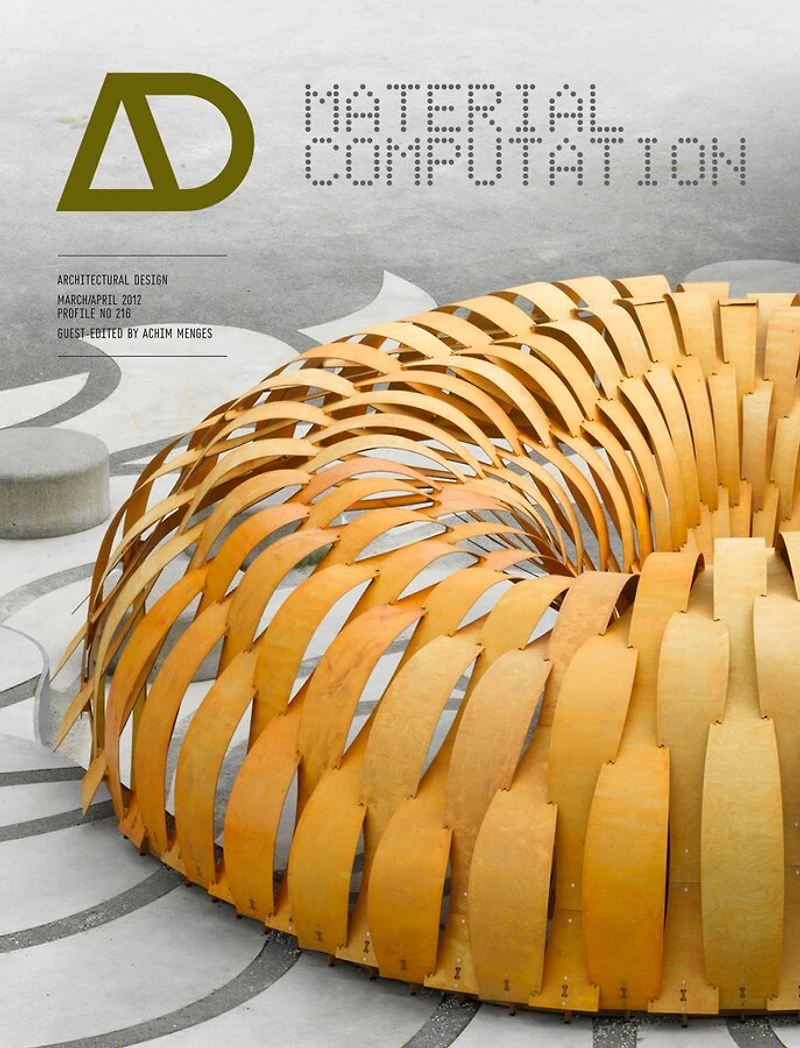
Material Computation: Higher Integration in Morphogenetic Design in Ottawa, ON
Current price: $39.95

Material Computation: Higher Integration in Morphogenetic Design in Ottawa, ON
Current price: $39.95
Loading Inventory...
Size: Paperback
*Product information may vary - to confirm product availability, pricing, shipping and return information please contact Coles
The production of architecture, both intellectually and physically, is on the brink of a fundamental change. Computational design enables architects to integrate ever more multifaceted and complex design information, while the industrial logics of conventional building construction are eroding rapidly in a context of increasingly ubiquitous computer-controlled manufacturing and fabrication. A novel convergence of computation and materialisation is about to emerge, bringing the virtual process of design and the physical realisation of architecture much closer together, more so than ever before. Computation provides a powerful agency for both informing the design process through specific material behaviour and characteristics, and in turn informing the organisation of matter and material across multiple scales based on feedback from the environment. Computational design and integrated materialisation processes allow for uncovering the inherent morphogenetic potential of materials and thus are opening up a largely uncharted field of possibilities for the way the built environment in the 21st century is conceived and produced. In order to effectively introduce and outline the enabling power of computational design along with its inherent relationship to a biological paradigm, this publication looks at formation and materialisation in nature, integrative computational design, and engineering and manufacturing integration. Architectural contributors include: Cristiano Cecatto, Neri Oxman, Skylar Tibbits and Michael Weinstock. A scientific perspective by Philip Ball and J Scott Turner. Features: Buro Happold's SMART group, DiniTech, Foster + Partners' Specialist Modelling Group, the Freeform Construction group and Stuttgart University's Institute for Computational Design.
The production of architecture, both intellectually and physically, is on the brink of a fundamental change. Computational design enables architects to integrate ever more multifaceted and complex design information, while the industrial logics of conventional building construction are eroding rapidly in a context of increasingly ubiquitous computer-controlled manufacturing and fabrication. A novel convergence of computation and materialisation is about to emerge, bringing the virtual process of design and the physical realisation of architecture much closer together, more so than ever before. Computation provides a powerful agency for both informing the design process through specific material behaviour and characteristics, and in turn informing the organisation of matter and material across multiple scales based on feedback from the environment. Computational design and integrated materialisation processes allow for uncovering the inherent morphogenetic potential of materials and thus are opening up a largely uncharted field of possibilities for the way the built environment in the 21st century is conceived and produced. In order to effectively introduce and outline the enabling power of computational design along with its inherent relationship to a biological paradigm, this publication looks at formation and materialisation in nature, integrative computational design, and engineering and manufacturing integration. Architectural contributors include: Cristiano Cecatto, Neri Oxman, Skylar Tibbits and Michael Weinstock. A scientific perspective by Philip Ball and J Scott Turner. Features: Buro Happold's SMART group, DiniTech, Foster + Partners' Specialist Modelling Group, the Freeform Construction group and Stuttgart University's Institute for Computational Design.
You May Also Like










More About Coles at Bayshore Shopping Centre
Coles is renowned for its outstanding customer service and great selection of books. Along with the vast array of magazines, stationary, audio-books, children's literature, fiction, non-fiction and reference books, you can find accessories to make your reading experience more pleasurable. We can recommend the very best in reading today. We will help you search our titles for exactly what you need, and if we do not have it in stock, we will order it for you.
100 Bayshore Dr, Nepean, ON K2B 8C1, Canada
Find Coles at Bayshore Shopping Centre in Ottawa, ON
Visit Coles at Bayshore Shopping Centre in Ottawa, ON