

Give the Gift of Choice!
Too many options? Treat your friends and family to their favourite stores with a Bayshore Shopping Centre gift card, redeemable at participating retailers throughout the centre. Click below to purchase yours today!Purchase HereHome
Matria Redux: Caribbean Women Novelize the Past
Coles
Loading Inventory...
Matria Redux: Caribbean Women Novelize the Past in Ottawa, ON
Current price: $141.30

Matria Redux: Caribbean Women Novelize the Past in Ottawa, ON
Current price: $141.30
Loading Inventory...
Size: Hardcover
*Product information may vary - to confirm product availability, pricing, shipping and return information please contact Coles
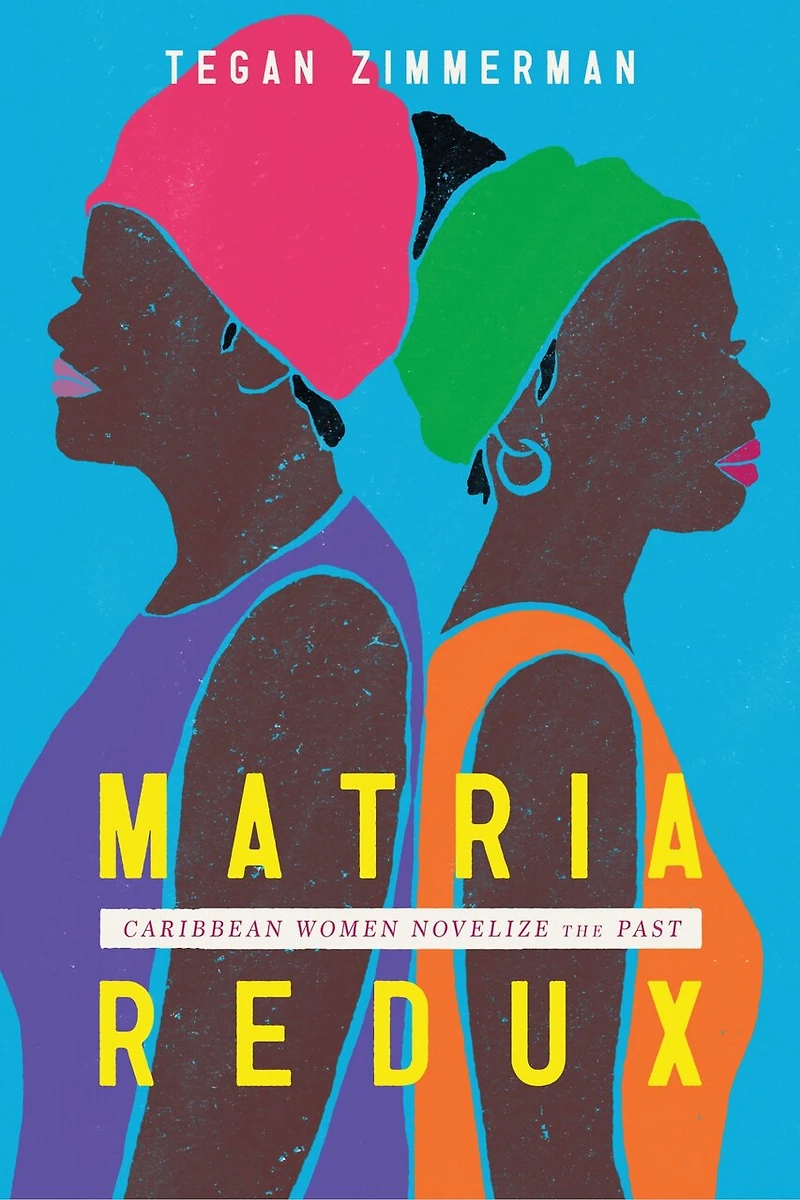
In Matria Redux: Caribbean Women Novelize the Past , author Tegan Zimmerman contends that there is a need for reading Caribbean women?s texts relationally. This comprehensive study argues that the writer?s turn to maternal histories constitutes the definitive feature of this transcultural and transnational genre. Through an array of Caribbean women?s historical novels published roughly between 1980 and 2010, this book formulates the theory of matria?an imagined maternal space and time?as a postcolonial-psychoanalytic feminist framework for reading fictions of maternal history written by and about Caribbean women.
Tracing the development of the historical novel in four periods of the Caribbean past?slavery, colonialism, revolution, and decolonization?this study argues that a pan-Caribbean generation of women writers, of varying discursive racial(ized) realities, has depicted similar matria constructs and maternal motifs. A politicized concept, matria functions in the historical novel as a counternarrative to traditional historical and literary discourses.
Through close readings of the mother/daughter plots in contemporary Caribbean women?s historical fiction, such as Andrea Levy?s The Long Song , Edwidge Danticat?s The Farming of Bones , Paule Marshall?s Praisesong for the Widow , and Marie-Elena John?s Unburnable , Matria Redux considers the concept of matria an important vehicle for postcolonial-psychoanalytic feminist literary resistance and political intervention. Matria as a psychoanalytic, postcolonial strategy therefore envisions, by returning to history, alternative feminist fictions, futures, and Caribbeans.
In Matria Redux: Caribbean Women Novelize the Past , author Tegan Zimmerman contends that there is a need for reading Caribbean women?s texts relationally. This comprehensive study argues that the writer?s turn to maternal histories constitutes the definitive feature of this transcultural and transnational genre. Through an array of Caribbean women?s historical novels published roughly between 1980 and 2010, this book formulates the theory of matria?an imagined maternal space and time?as a postcolonial-psychoanalytic feminist framework for reading fictions of maternal history written by and about Caribbean women.
Tracing the development of the historical novel in four periods of the Caribbean past?slavery, colonialism, revolution, and decolonization?this study argues that a pan-Caribbean generation of women writers, of varying discursive racial(ized) realities, has depicted similar matria constructs and maternal motifs. A politicized concept, matria functions in the historical novel as a counternarrative to traditional historical and literary discourses.
Through close readings of the mother/daughter plots in contemporary Caribbean women?s historical fiction, such as Andrea Levy?s The Long Song , Edwidge Danticat?s The Farming of Bones , Paule Marshall?s Praisesong for the Widow , and Marie-Elena John?s Unburnable , Matria Redux considers the concept of matria an important vehicle for postcolonial-psychoanalytic feminist literary resistance and political intervention. Matria as a psychoanalytic, postcolonial strategy therefore envisions, by returning to history, alternative feminist fictions, futures, and Caribbeans.
You May Also Like













More About Coles at Bayshore Shopping Centre
Coles is renowned for its outstanding customer service and great selection of books. Along with the vast array of magazines, stationary, audio-books, children's literature, fiction, non-fiction and reference books, you can find accessories to make your reading experience more pleasurable. We can recommend the very best in reading today. We will help you search our titles for exactly what you need, and if we do not have it in stock, we will order it for you.
100 Bayshore Dr, Nepean, ON K2B 8C1, Canada
Find Coles at Bayshore Shopping Centre in Ottawa, ON
Visit Coles at Bayshore Shopping Centre in Ottawa, ON