

Give the Gift of Choice!
Too many options? Treat your friends and family to their favourite stores with a Bayshore Shopping Centre gift card, redeemable at participating retailers throughout the centre. Click below to purchase yours today!Purchase HereHome
Measuring Livelihoods and Environmental Dependence: Methods for Research Fieldwork
Coles
Loading Inventory...
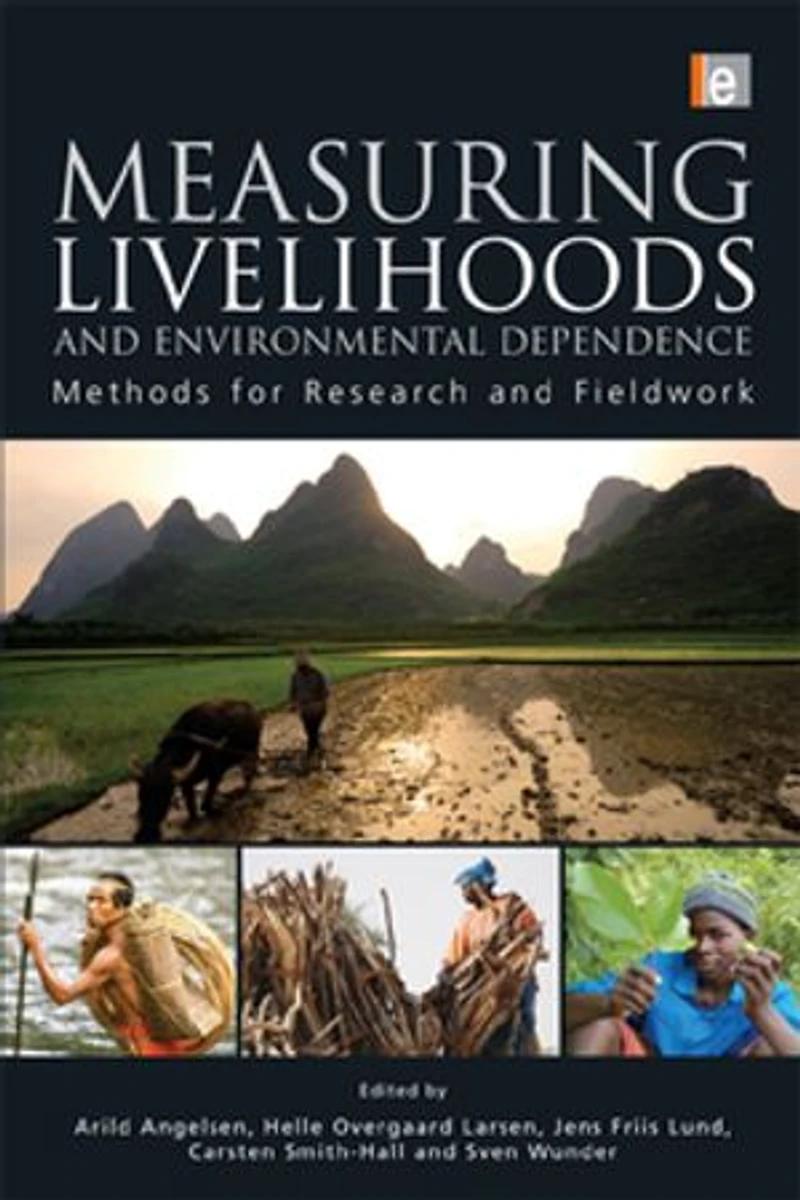
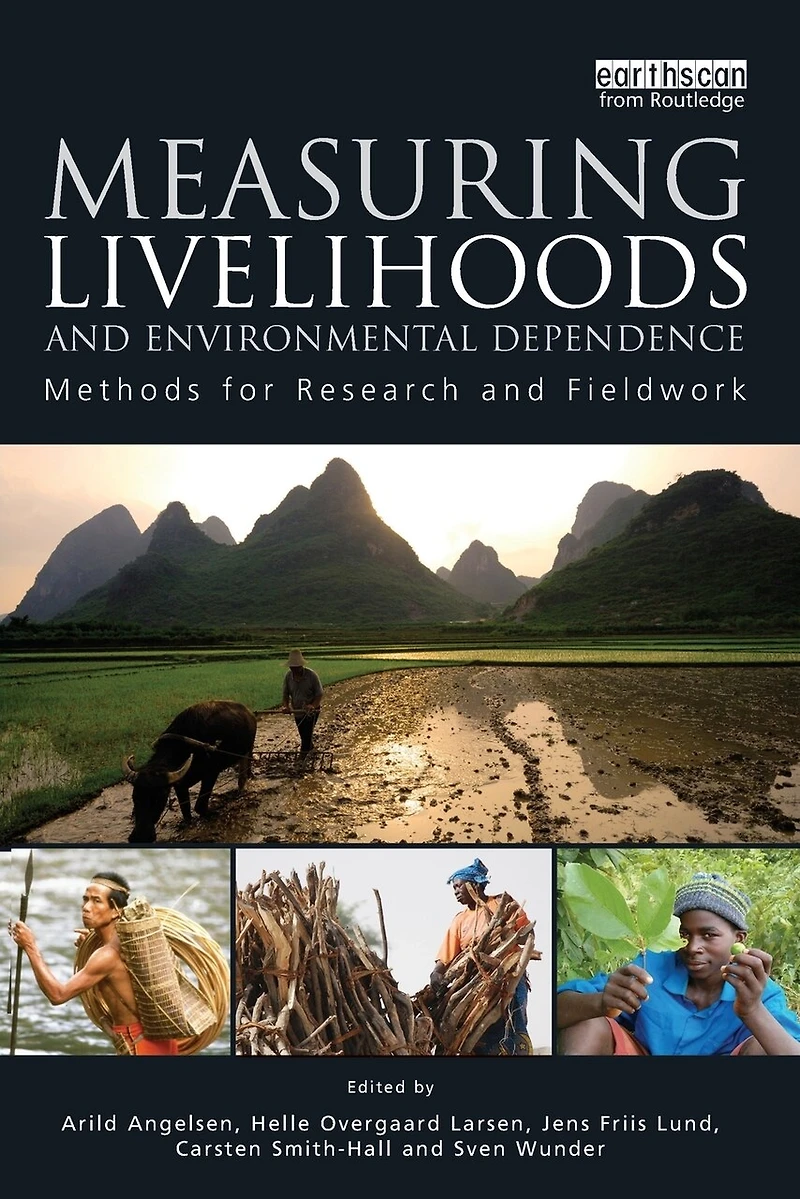
Measuring Livelihoods and Environmental Dependence: Methods for Research Fieldwork in Ottawa, ON
Current price: $119.42

Measuring Livelihoods and Environmental Dependence: Methods for Research Fieldwork in Ottawa, ON
Current price: $119.42
Loading Inventory...
Size: Kobo eBook
*Product information may vary - to confirm product availability, pricing, shipping and return information please contact Coles
Thousands of surveys on rural livelihoods in developing countries are being done every year. Unfortunately, many suffer from weaknesses in methods and problems in implementation. Quantifying households' dependence on multiple environmental resources (forests, bush, grasslands and rivers) is particularly difficult and often simply ignored in the surveys. The results therefore do not reflect rural realities. In particular, 'the hidden harvest' from natural resources is generally too important to livelihoods for development research, policies and practice to ignore. Fieldwork using state-of-the-art methods, and in particular well-designed household questionnaires, thus becomes an imperative to adequately capture key dimensions of rural welfare. This book describes how to do a better job when designing and implementing household and village surveys for quantitative assessment of rural livelihoods in developing countries. It covers the entire research process from planning to sharing research results. It draws on the experiences from a large global-comparative project, the Poverty Environment Network (PEN), to develop more robust and validated methods, enriched by numerous practical examples from the field. The book will provide an invaluable guide to methods and a practical handbook for students and professionals.
Thousands of surveys on rural livelihoods in developing countries are being done every year. Unfortunately, many suffer from weaknesses in methods and problems in implementation. Quantifying households' dependence on multiple environmental resources (forests, bush, grasslands and rivers) is particularly difficult and often simply ignored in the surveys. The results therefore do not reflect rural realities. In particular, 'the hidden harvest' from natural resources is generally too important to livelihoods for development research, policies and practice to ignore. Fieldwork using state-of-the-art methods, and in particular well-designed household questionnaires, thus becomes an imperative to adequately capture key dimensions of rural welfare. This book describes how to do a better job when designing and implementing household and village surveys for quantitative assessment of rural livelihoods in developing countries. It covers the entire research process from planning to sharing research results. It draws on the experiences from a large global-comparative project, the Poverty Environment Network (PEN), to develop more robust and validated methods, enriched by numerous practical examples from the field. The book will provide an invaluable guide to methods and a practical handbook for students and professionals.
You May Also Like











More About Coles at Bayshore Shopping Centre
Coles is renowned for its outstanding customer service and great selection of books. Along with the vast array of magazines, stationary, audio-books, children's literature, fiction, non-fiction and reference books, you can find accessories to make your reading experience more pleasurable. We can recommend the very best in reading today. We will help you search our titles for exactly what you need, and if we do not have it in stock, we will order it for you.
100 Bayshore Dr, Nepean, ON K2B 8C1, Canada
Find Coles at Bayshore Shopping Centre in Ottawa, ON
Visit Coles at Bayshore Shopping Centre in Ottawa, ON