

Give the Gift of Choice!
Too many options? Treat your friends and family to their favourite stores with a Bayshore Shopping Centre gift card, redeemable at participating retailers throughout the centre. Click below to purchase yours today!Purchase HereHome
Memorial Book of Vishnevets: Translation of Sefer Vishnivits
Coles
Loading Inventory...
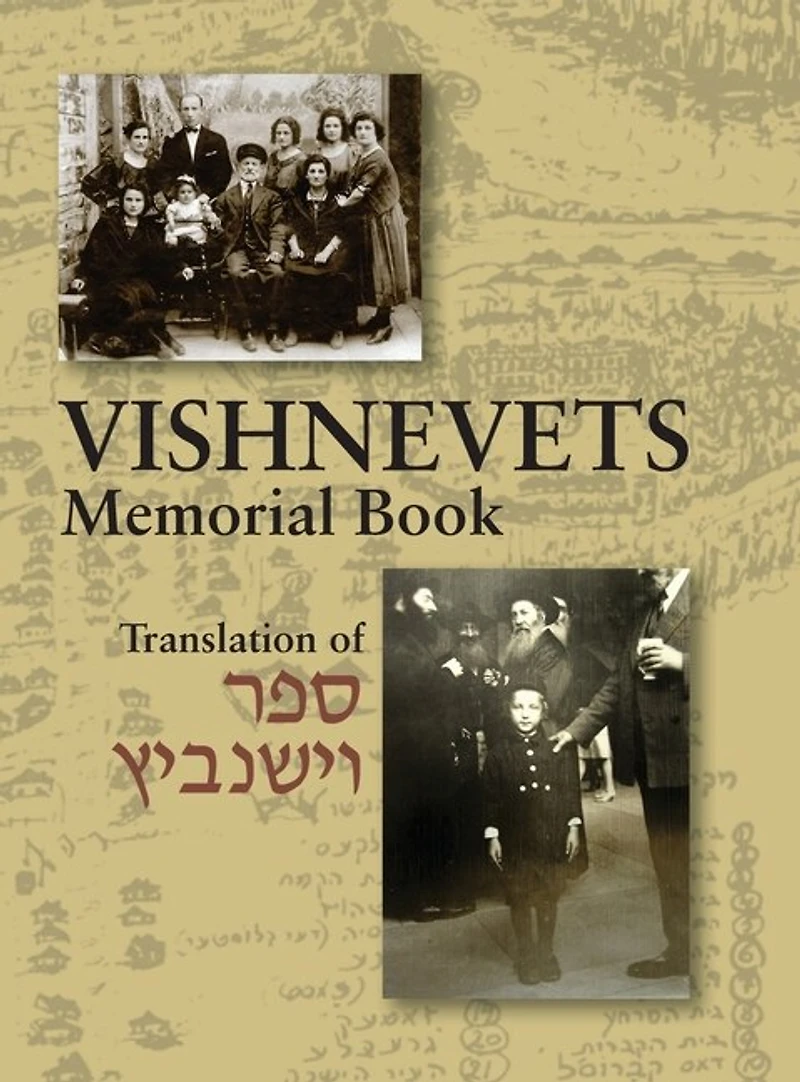
Memorial Book of Vishnevets: Translation of Sefer Vishnivits in Ottawa, ON
Current price: $92.00

Memorial Book of Vishnevets: Translation of Sefer Vishnivits in Ottawa, ON
Current price: $92.00
Loading Inventory...
Size: Hardcover
*Product information may vary - to confirm product availability, pricing, shipping and return information please contact Coles
Vishnevets, Ukraine, located on the higher north shore of the Horyn River, first had Jewish residents at the end of the 11th or 12th century. Later, it was the base of the principality of the Polish Wisniowiecki family. At the end of the 14th century, Prince Jeremi Wisniowiecki established the town of New Vishnevets across the river from what became known as Old Vishnevets, with the two parts of the town connected by a bridge. By the 17 th century, an established Jewish community existed in Vishnevets; in 1653 the Jews there were slaughtered by Tatars. In 1765, the Jewish community registered 457 Jews in the old city, 26 in the new city, and an additional 163 Jews in nearby villages, and by 1847, the Jewish community in New Vishnevets registered 3,178 people. In 1897, Jews numbered 2,980 out of a population of 4,196. In the 20 th century, Vishnevets was under the rule of the Russian czar until World War I. After the Russian revolution, the government changed often. In 1939, the Russians conquered the town, and in 1941, the Nazis occupied Volhynia, and Vishnevets became the area's ghetto. Under Nazi command, 6,000 Jews were destroyed there. By the mid-20 th century, only one Jewish family, which took on the duty of protecting the Jewish graves, remained.
Vishnevets, Ukraine, located on the higher north shore of the Horyn River, first had Jewish residents at the end of the 11th or 12th century. Later, it was the base of the principality of the Polish Wisniowiecki family. At the end of the 14th century, Prince Jeremi Wisniowiecki established the town of New Vishnevets across the river from what became known as Old Vishnevets, with the two parts of the town connected by a bridge. By the 17 th century, an established Jewish community existed in Vishnevets; in 1653 the Jews there were slaughtered by Tatars. In 1765, the Jewish community registered 457 Jews in the old city, 26 in the new city, and an additional 163 Jews in nearby villages, and by 1847, the Jewish community in New Vishnevets registered 3,178 people. In 1897, Jews numbered 2,980 out of a population of 4,196. In the 20 th century, Vishnevets was under the rule of the Russian czar until World War I. After the Russian revolution, the government changed often. In 1939, the Russians conquered the town, and in 1941, the Nazis occupied Volhynia, and Vishnevets became the area's ghetto. Under Nazi command, 6,000 Jews were destroyed there. By the mid-20 th century, only one Jewish family, which took on the duty of protecting the Jewish graves, remained.
You May Also Like











More About Coles at Bayshore Shopping Centre
Coles is renowned for its outstanding customer service and great selection of books. Along with the vast array of magazines, stationary, audio-books, children's literature, fiction, non-fiction and reference books, you can find accessories to make your reading experience more pleasurable. We can recommend the very best in reading today. We will help you search our titles for exactly what you need, and if we do not have it in stock, we will order it for you.
100 Bayshore Dr, Nepean, ON K2B 8C1, Canada
Find Coles at Bayshore Shopping Centre in Ottawa, ON
Visit Coles at Bayshore Shopping Centre in Ottawa, ON