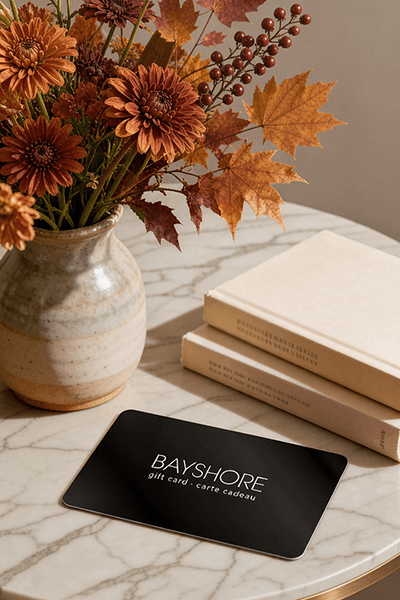
Too many options? Treat your friends and family to their favourite stores with a Bayshore Shopping Centre gift card, redeemable at participating retailers throughout the centre. Click below to purchase yours today!Purchase Here
Coles Men's Work: Gender, Class, And The Professionalization Of Poetry, 1660-1784 at Bayshore Shopping Centre in Ottawa, ON
*Product information may vary - to confirm product availability, pricing, shipping and return information please contact Coles
This book examines how the concept of the poet as a male professional emerged during the Restoration and eighteenth century. Analyzing works by writers from Rochester to Johnson, Linda Zionkowski argues that the opportunities for publication created by the growth of a commercial market in texts profoundly challenged aristocratic conceptions of authorship and altered the status of professional poets on the hierarchies of class and gender. The book proposes that during this period, discourse about the poet's social role both revealed and produced a crucial shift in configurations of masculinity: the belief that commodifying their mental labor undermined writers' cultural authority gave way to a celebration of the market's function as the proving ground for both literary merit and bourgeois manhood.
This book examines how the concept of the poet as a male professional emerged during the Restoration and eighteenth century. Analyzing works by writers from Rochester to Johnson, Linda Zionkowski argues that the opportunities for publication created by the growth of a commercial market in texts profoundly challenged aristocratic conceptions of authorship and altered the status of professional poets on the hierarchies of class and gender. The book proposes that during this period, discourse about the poet's social role both revealed and produced a crucial shift in configurations of masculinity: the belief that commodifying their mental labor undermined writers' cultural authority gave way to a celebration of the market's function as the proving ground for both literary merit and bourgeois manhood.
Coles is renowned for its outstanding customer service and great selection of books. Along with the vast array of magazines, stationary, audio-books, children's literature, fiction, non-fiction and reference books, you can find accessories to make your reading experience more pleasurable. We can recommend the very best in reading today. We will help you search our titles for exactly what you need, and if we do not have it in stock, we will order it for you.