

Give the Gift of Choice!
Too many options? Treat your friends and family to their favourite stores with a Bayshore Shopping Centre gift card, redeemable at participating retailers throughout the centre. Click below to purchase yours today!Purchase HereHome
Mental Models and Their Dynamics, Adaptation, Control: A Self-Modeling Network Modeling Approach
Coles
Loading Inventory...
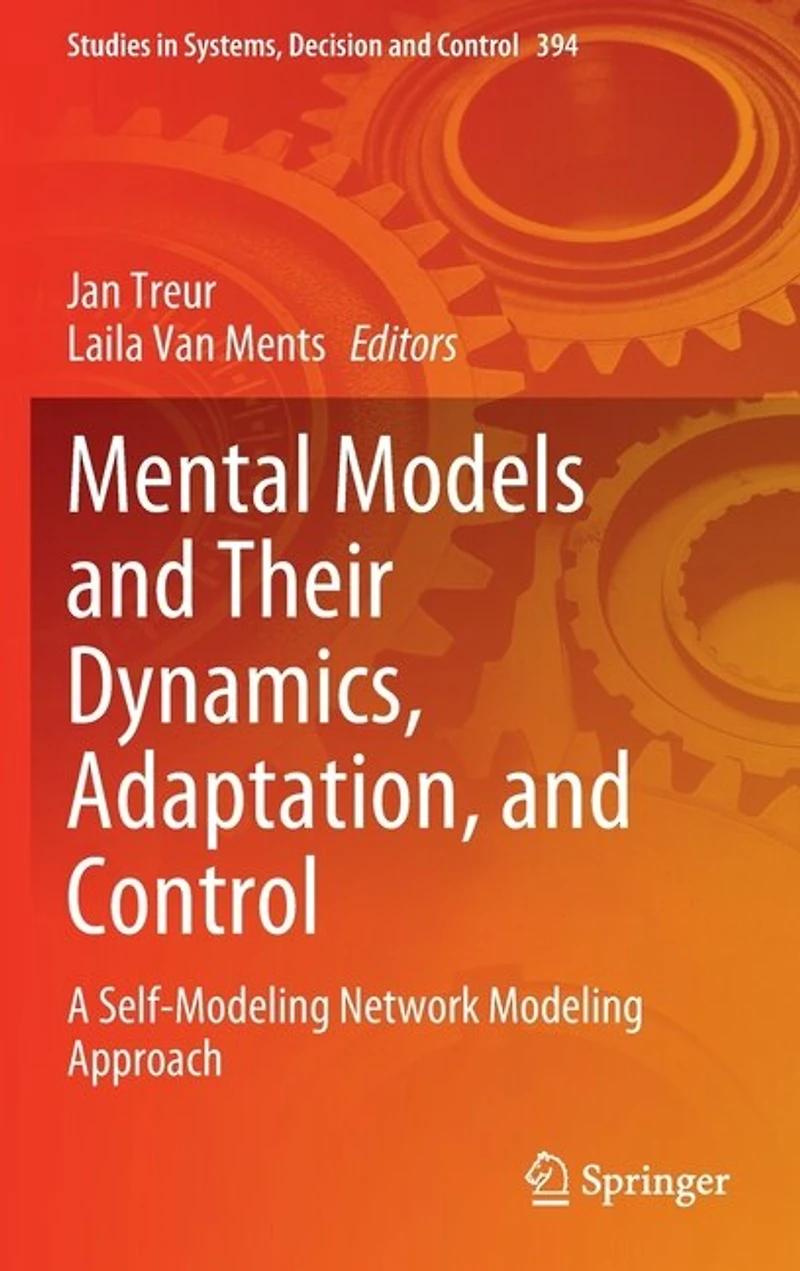
Mental Models and Their Dynamics, Adaptation, Control: A Self-Modeling Network Modeling Approach in Ottawa, ON
Current price: $291.95

Mental Models and Their Dynamics, Adaptation, Control: A Self-Modeling Network Modeling Approach in Ottawa, ON
Current price: $291.95
Loading Inventory...
Size: Hardcover
*Product information may vary - to confirm product availability, pricing, shipping and return information please contact Coles
This book introduces a generic approach to model the use and adaptation of mental models, including the control over this. In their mental processes, humans often make use of internal mental models as a kind of blueprints for processes that can take place in the world or in other persons. By internal mental simulation of such a mental model in their brain, they can predict and be prepared for what can happen in the future. Usually, mental models are adaptive: they can be learned, refined, revised, or forgotten, for example. Although there is a huge literature on mental models in various disciplines, a systematic account of how to model them computationally in a transparent manner is lacking. This approach allows for computational modeling of humans using mental models without a need for any algorithmic or programming skills, allowing for focus on the process of conceptualizing, modeling, and simulating complex, real-world mental processes and behaviors. The book is suitable for and is used as course material for multidisciplinary Master and Ph.D. students.
This book introduces a generic approach to model the use and adaptation of mental models, including the control over this. In their mental processes, humans often make use of internal mental models as a kind of blueprints for processes that can take place in the world or in other persons. By internal mental simulation of such a mental model in their brain, they can predict and be prepared for what can happen in the future. Usually, mental models are adaptive: they can be learned, refined, revised, or forgotten, for example. Although there is a huge literature on mental models in various disciplines, a systematic account of how to model them computationally in a transparent manner is lacking. This approach allows for computational modeling of humans using mental models without a need for any algorithmic or programming skills, allowing for focus on the process of conceptualizing, modeling, and simulating complex, real-world mental processes and behaviors. The book is suitable for and is used as course material for multidisciplinary Master and Ph.D. students.
You May Also Like









More About Coles at Bayshore Shopping Centre
Coles is renowned for its outstanding customer service and great selection of books. Along with the vast array of magazines, stationary, audio-books, children's literature, fiction, non-fiction and reference books, you can find accessories to make your reading experience more pleasurable. We can recommend the very best in reading today. We will help you search our titles for exactly what you need, and if we do not have it in stock, we will order it for you.
100 Bayshore Dr, Nepean, ON K2B 8C1, Canada
Find Coles at Bayshore Shopping Centre in Ottawa, ON
Visit Coles at Bayshore Shopping Centre in Ottawa, ON