

Give the Gift of Choice!
Too many options? Treat your friends and family to their favourite stores with a Bayshore Shopping Centre gift card, redeemable at participating retailers throughout the centre. Click below to purchase yours today!Purchase HereHome
Merleau-Ponty Contemporary Context: Philosophy and Politics the Twenty-First Century
Coles
Loading Inventory...
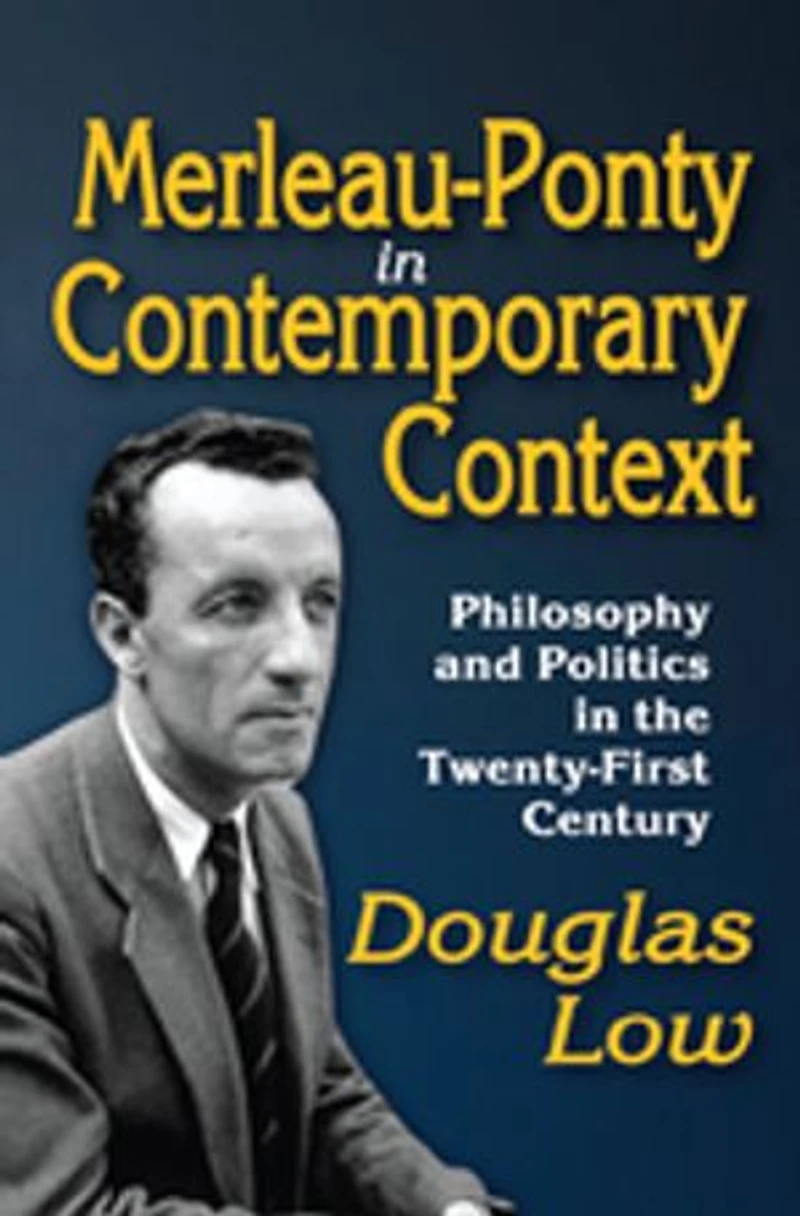
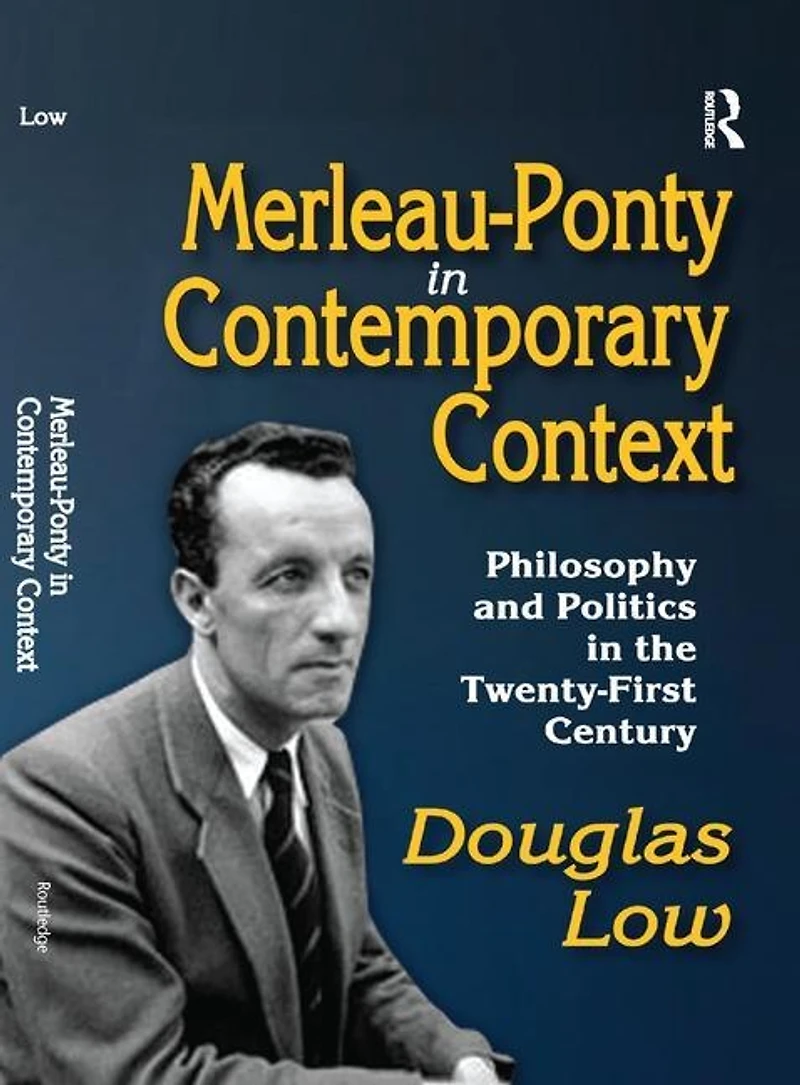
Merleau-Ponty Contemporary Context: Philosophy and Politics the Twenty-First Century in Ottawa, ON
Current price: $90.92

Merleau-Ponty Contemporary Context: Philosophy and Politics the Twenty-First Century in Ottawa, ON
Current price: $90.92
Loading Inventory...
Size: Kobo eBook
*Product information may vary - to confirm product availability, pricing, shipping and return information please contact Coles
This volume presents the work of Maurice Merleau-Ponty, a great philosopher and social theorist of mid-twentieth century, as a viable alternative to both modernism and postmodernism. Douglas Low argues that Merleau-Ponty's philosophy offers explanations and solves problems that other philosophies grapple with, but do not resolve, given their respective theoretical presuppositions and assumptions. Low brings the work of Merleau-Ponty into critical contact with important thinkers, including Sartre, Heidegger, Derrida, and Marx. He highlights Merleau-Ponty's connection to the early Hegel, especially with regard to the criticism of modernism's "representational consciousness" and its subsequent skepticism with regard to our being in the world. Merleau-Ponty made a concerted effort to solve the problems that come about due to a wide variety of Western dualisms: body and mind, perception and conception, self and other, etc. He frequently does so by demonstrating the connection between these disparate terms, the connection of perception with affect and interest, fact with value, and a broadened view of science with moral and philosophical judgment. Merleau-Ponty's unique contribution is his focus on the lived-through perceiving body and its relationship to abstract thought and language. In his detailed analysis of the work of Merleau-Ponty, Low brings attention to a twentieth-century master capable of altering the landscape of modern and social philosophy in the twenty-first century.
This volume presents the work of Maurice Merleau-Ponty, a great philosopher and social theorist of mid-twentieth century, as a viable alternative to both modernism and postmodernism. Douglas Low argues that Merleau-Ponty's philosophy offers explanations and solves problems that other philosophies grapple with, but do not resolve, given their respective theoretical presuppositions and assumptions. Low brings the work of Merleau-Ponty into critical contact with important thinkers, including Sartre, Heidegger, Derrida, and Marx. He highlights Merleau-Ponty's connection to the early Hegel, especially with regard to the criticism of modernism's "representational consciousness" and its subsequent skepticism with regard to our being in the world. Merleau-Ponty made a concerted effort to solve the problems that come about due to a wide variety of Western dualisms: body and mind, perception and conception, self and other, etc. He frequently does so by demonstrating the connection between these disparate terms, the connection of perception with affect and interest, fact with value, and a broadened view of science with moral and philosophical judgment. Merleau-Ponty's unique contribution is his focus on the lived-through perceiving body and its relationship to abstract thought and language. In his detailed analysis of the work of Merleau-Ponty, Low brings attention to a twentieth-century master capable of altering the landscape of modern and social philosophy in the twenty-first century.
You May Also Like













More About Coles at Bayshore Shopping Centre
Coles is renowned for its outstanding customer service and great selection of books. Along with the vast array of magazines, stationary, audio-books, children's literature, fiction, non-fiction and reference books, you can find accessories to make your reading experience more pleasurable. We can recommend the very best in reading today. We will help you search our titles for exactly what you need, and if we do not have it in stock, we will order it for you.
100 Bayshore Dr, Nepean, ON K2B 8C1, Canada
Find Coles at Bayshore Shopping Centre in Ottawa, ON
Visit Coles at Bayshore Shopping Centre in Ottawa, ON