

Give the Gift of Choice!
Too many options? Treat your friends and family to their favourite stores with a Bayshore Shopping Centre gift card, redeemable at participating retailers throughout the centre. Click below to purchase yours today!Purchase HereHome
Metropolitan Science: London Sites and Cultures of Knowledge Practice, c. 1600-1800
Coles
Loading Inventory...
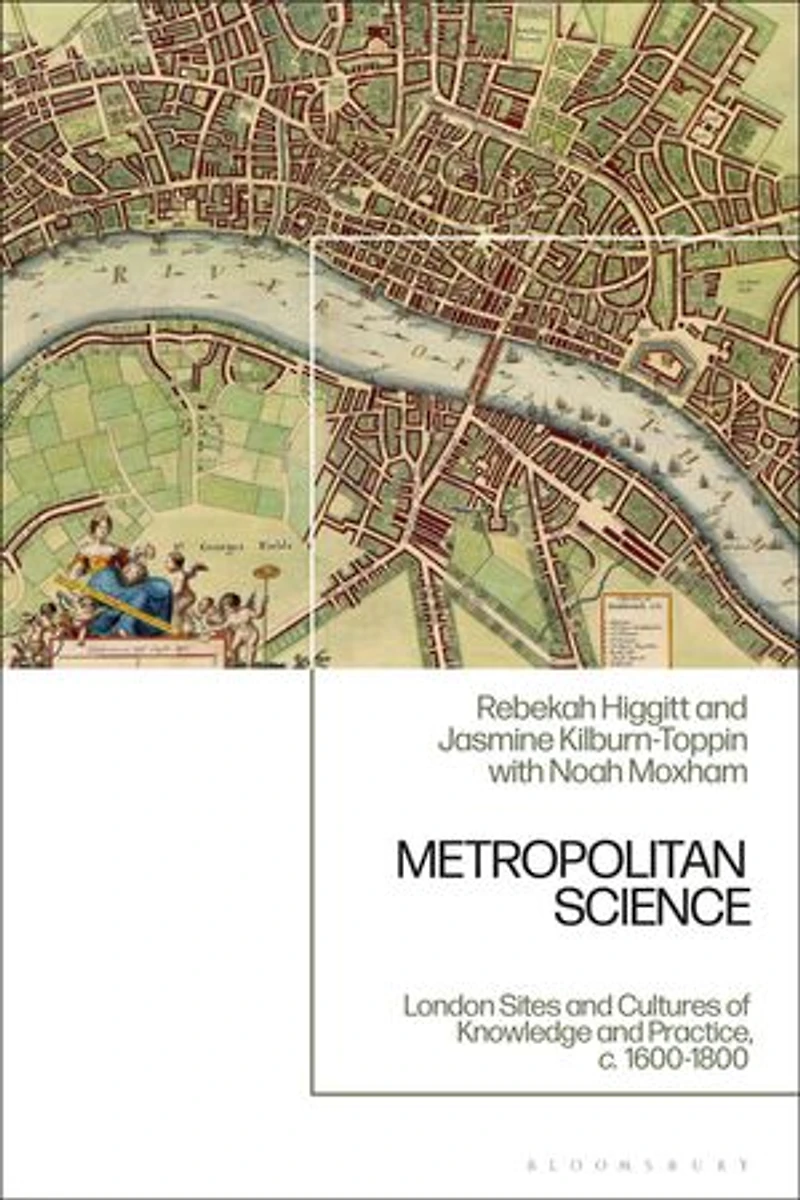

Metropolitan Science: London Sites and Cultures of Knowledge Practice, c. 1600-1800 in Ottawa, ON
Current price: $42.19
Original price: $52.65

Metropolitan Science: London Sites and Cultures of Knowledge Practice, c. 1600-1800 in Ottawa, ON
Current price: $42.19
Original price: $52.65
Loading Inventory...
Size: Kobo eBook
*Product information may vary - to confirm product availability, pricing, shipping and return information please contact Coles
Exploring distinctive practices in the artisanal, mercantile, and governmental sites of London, Metropolitan Science offers a new perspective on the development of a scientific culture between the years 1600-1800. Beginning with the demographics of London in the 17th and 18th centuries, including its attraction of migrants, importance as a centre of empire, and the role of its institutions in government, the authors analyse how and why London was a unique site of scientific activity. Through the use of case studies, such as the Tower of London's Royal Mint, and the Livery Company Halls, this book examines the city's sites of exchange for knowledge and practice, and highlights the importance of both public and private spaces. With exploration of London's military and colonial history, the authors acknowledge how its port and maritime trade were not only central to growth and protection, but also facilitated the organisation, assessment, valuation, and pursuit of knowledge in the city. Ultimately, this book demonstrates that London corporations produced unique knowledge communities that drew on networks across the city and beyond, and uses a variety of spatial and material approaches to reveal the use, representation, and exchange of practice in these collective settings.
Exploring distinctive practices in the artisanal, mercantile, and governmental sites of London, Metropolitan Science offers a new perspective on the development of a scientific culture between the years 1600-1800. Beginning with the demographics of London in the 17th and 18th centuries, including its attraction of migrants, importance as a centre of empire, and the role of its institutions in government, the authors analyse how and why London was a unique site of scientific activity. Through the use of case studies, such as the Tower of London's Royal Mint, and the Livery Company Halls, this book examines the city's sites of exchange for knowledge and practice, and highlights the importance of both public and private spaces. With exploration of London's military and colonial history, the authors acknowledge how its port and maritime trade were not only central to growth and protection, but also facilitated the organisation, assessment, valuation, and pursuit of knowledge in the city. Ultimately, this book demonstrates that London corporations produced unique knowledge communities that drew on networks across the city and beyond, and uses a variety of spatial and material approaches to reveal the use, representation, and exchange of practice in these collective settings.
You May Also Like













More About Coles at Bayshore Shopping Centre
Coles is renowned for its outstanding customer service and great selection of books. Along with the vast array of magazines, stationary, audio-books, children's literature, fiction, non-fiction and reference books, you can find accessories to make your reading experience more pleasurable. We can recommend the very best in reading today. We will help you search our titles for exactly what you need, and if we do not have it in stock, we will order it for you.
100 Bayshore Dr, Nepean, ON K2B 8C1, Canada
Find Coles at Bayshore Shopping Centre in Ottawa, ON
Visit Coles at Bayshore Shopping Centre in Ottawa, ON