

Give the Gift of Choice!
Too many options? Treat your friends and family to their favourite stores with a Bayshore Shopping Centre gift card, redeemable at participating retailers throughout the centre. Click below to purchase yours today!Purchase HereHome
Microbes at Work: From Wastes to Resources
Coles
Loading Inventory...
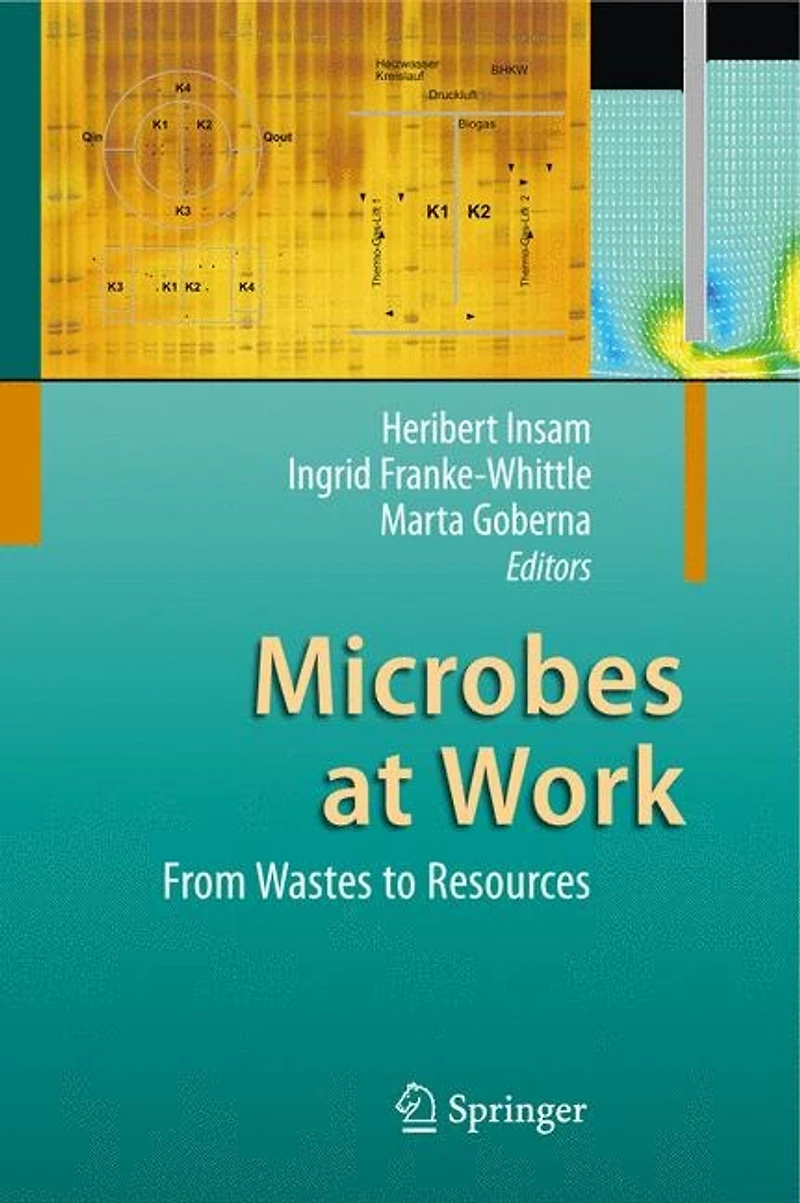
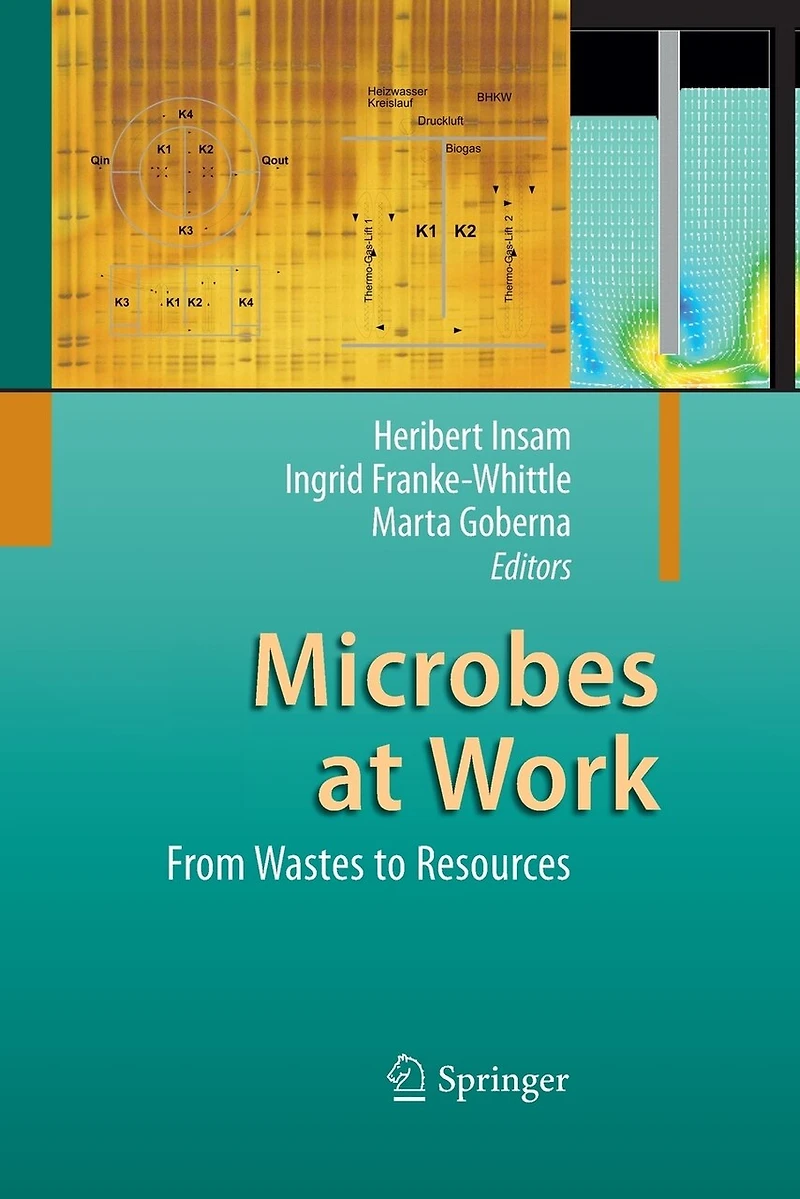
Microbes at Work: From Wastes to Resources in Ottawa, ON
Current price: $321.50

Microbes at Work: From Wastes to Resources in Ottawa, ON
Current price: $321.50
Loading Inventory...
Size: Hardcover
*Product information may vary - to confirm product availability, pricing, shipping and return information please contact Coles
Among the goals of environmentally sound waste treatment is the recycling of organic wastes. The most practiced options are composting and anaerobic digestion, both processes being carried out by microorganisms. This book provides an overview of the various ways microbes are doing their job and gives the reader an impression of their potential. The sixteen chapters of this book summarize the advantages and disadvantages of treatment processes, whether they are aerobic like composting or work without oxygen like anaerobic digestion for biogas (methane) production. These chapters show the potential of microorganisms to create valuable resources from otherwise wasted materials. These resources include profitable organic, humus-like soil conditioners or fertilizer components which are often suppressive to plant diseases. Composts may thus improve soil carbon sequestration, or support sustainable agriculture by reducing the need for mineral fertilizers or pesticides. If anaerobic digestion is used, the biogas produced may replace fossil fuels. Thus, proper biological waste treatment with the help of microorganisms should contribute to a reduction of anthropogenic greenhouse gas production.
Among the goals of environmentally sound waste treatment is the recycling of organic wastes. The most practiced options are composting and anaerobic digestion, both processes being carried out by microorganisms. This book provides an overview of the various ways microbes are doing their job and gives the reader an impression of their potential. The sixteen chapters of this book summarize the advantages and disadvantages of treatment processes, whether they are aerobic like composting or work without oxygen like anaerobic digestion for biogas (methane) production. These chapters show the potential of microorganisms to create valuable resources from otherwise wasted materials. These resources include profitable organic, humus-like soil conditioners or fertilizer components which are often suppressive to plant diseases. Composts may thus improve soil carbon sequestration, or support sustainable agriculture by reducing the need for mineral fertilizers or pesticides. If anaerobic digestion is used, the biogas produced may replace fossil fuels. Thus, proper biological waste treatment with the help of microorganisms should contribute to a reduction of anthropogenic greenhouse gas production.
You May Also Like







More About Coles at Bayshore Shopping Centre
Coles is renowned for its outstanding customer service and great selection of books. Along with the vast array of magazines, stationary, audio-books, children's literature, fiction, non-fiction and reference books, you can find accessories to make your reading experience more pleasurable. We can recommend the very best in reading today. We will help you search our titles for exactly what you need, and if we do not have it in stock, we will order it for you.
100 Bayshore Dr, Nepean, ON K2B 8C1, Canada
Find Coles at Bayshore Shopping Centre in Ottawa, ON
Visit Coles at Bayshore Shopping Centre in Ottawa, ON