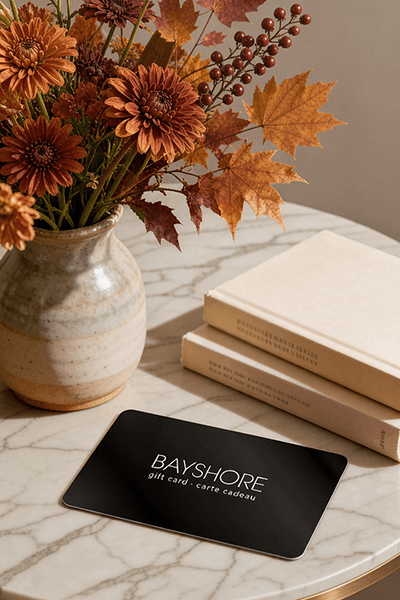
Too many options? Treat your friends and family to their favourite stores with a Bayshore Shopping Centre gift card, redeemable at participating retailers throughout the centre. Click below to purchase yours today!Purchase Here
Coles Microbiological Research and Development for the Food Industry at Bayshore Shopping Centre in Ottawa, ON
*Product information may vary - to confirm product availability, pricing, shipping and return information please contact Coles
Research and development on microorganisms in food has evolved from a luxury to a necessity for companies competing in the global marketplace. Whether research is conducted internally or externally through contract laboratories and universities, microbial research in foods is crucial to the safety and integrity of our food supply. Microbiological Research and Development for the Food Industry covers the technical and practical insights needed for developing and utilizing various capabilities to advance food microbiology research. Providing examples of how research data can be applied to consumer and brand protection efforts, this book:
Describes the purposes and processes for conducting microbiological research and development for companies and organizations involved in food, beverage, and ingredient production and distribution
Covers a broad range of topics of importance to food microbiologists in allied food industries and organizations, government, and academia
Includes examples of successful research methods for food microbiology laboratories
Written to walk the reader through the process of investigating microorganisms in food systems for consumer and brand protection, Microbiological Research and Development for the Food Industry provides practical understanding of the necessary mechanisms and research approaches used in the field. It fuses the business and scientific aspects of microbiological research to underscore the return on investment for beverage and food ingredient producers. This text goes beyond routine presence/absence testing of pathogens and spoilage microorganisms in foods. It describes ways data can be collected to answer more complex questions and provides examples of how such data can be applied to consumer and brand protection efforts.
Research and development on microorganisms in food has evolved from a luxury to a necessity for companies competing in the global marketplace. Whether research is conducted internally or externally through contract laboratories and universities, microbial research in foods is crucial to the safety and integrity of our food supply. Microbiological Research and Development for the Food Industry covers the technical and practical insights needed for developing and utilizing various capabilities to advance food microbiology research. Providing examples of how research data can be applied to consumer and brand protection efforts, this book:
Describes the purposes and processes for conducting microbiological research and development for companies and organizations involved in food, beverage, and ingredient production and distribution
Covers a broad range of topics of importance to food microbiologists in allied food industries and organizations, government, and academia
Includes examples of successful research methods for food microbiology laboratories
Written to walk the reader through the process of investigating microorganisms in food systems for consumer and brand protection, Microbiological Research and Development for the Food Industry provides practical understanding of the necessary mechanisms and research approaches used in the field. It fuses the business and scientific aspects of microbiological research to underscore the return on investment for beverage and food ingredient producers. This text goes beyond routine presence/absence testing of pathogens and spoilage microorganisms in foods. It describes ways data can be collected to answer more complex questions and provides examples of how such data can be applied to consumer and brand protection efforts.
Coles is renowned for its outstanding customer service and great selection of books. Along with the vast array of magazines, stationary, audio-books, children's literature, fiction, non-fiction and reference books, you can find accessories to make your reading experience more pleasurable. We can recommend the very best in reading today. We will help you search our titles for exactly what you need, and if we do not have it in stock, we will order it for you.