

Give the Gift of Choice!
Too many options? Treat your friends and family to their favourite stores with a Bayshore Shopping Centre gift card, redeemable at participating retailers throughout the centre. Click below to purchase yours today!Purchase HereHome
Microfinance: An Economic Analysis of Banking to the Poor
Coles
Loading Inventory...
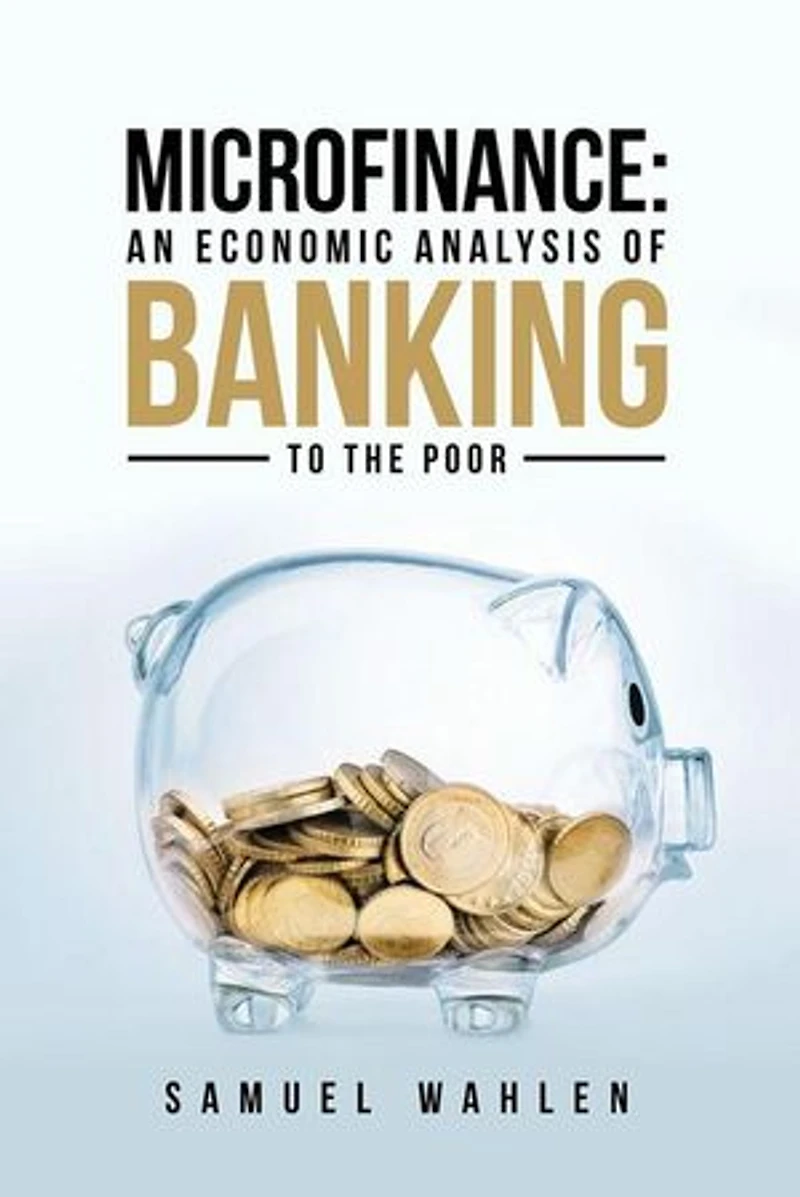
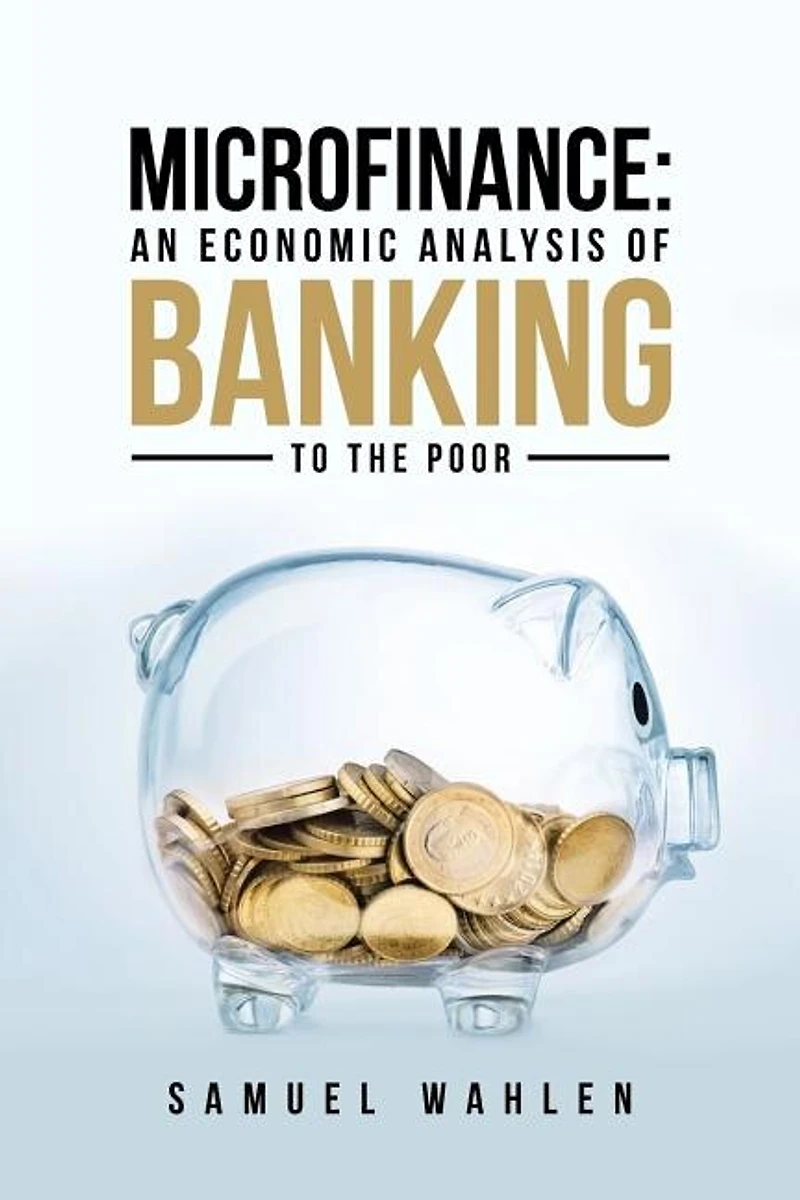
Microfinance: An Economic Analysis of Banking to the Poor in Ottawa, ON
Current price: $5.39
Original price: $5.99

Microfinance: An Economic Analysis of Banking to the Poor in Ottawa, ON
Current price: $5.39
Original price: $5.99
Loading Inventory...
Size: Kobo eBook
*Product information may vary - to confirm product availability, pricing, shipping and return information please contact Coles
Great strides are being made in technology, medicine, and other fields, but with these advances, many people are still being left behind in poverty. The poor struggle to feed their families, work long hours for little pay, and face obstacles in educating themselves and their children. They see no end to the nightmare--and they feel trapped. World leaders have responded by offering a handout rather than a hand up, which does nothing to fix the problem. In this book, you'll learn why: - Foreign aid to developing countries weakens democratic institutions and empowers leaders to make bad policy decisions. - Small businesses serve an important role in strengthening economies in developing countries. - Small business owners opt out of legal environments and choose to operate in informal sectors. - Microfinance institutions offer the poor greater flexibility and opportunity than larger financial institutions. When helping the poor, the goal does not need to be unanimous economic equality, but we must provide opportunities to escape the clutches of poverty. Find out how it can be done, step by step, with Microfinance.
Great strides are being made in technology, medicine, and other fields, but with these advances, many people are still being left behind in poverty. The poor struggle to feed their families, work long hours for little pay, and face obstacles in educating themselves and their children. They see no end to the nightmare--and they feel trapped. World leaders have responded by offering a handout rather than a hand up, which does nothing to fix the problem. In this book, you'll learn why: - Foreign aid to developing countries weakens democratic institutions and empowers leaders to make bad policy decisions. - Small businesses serve an important role in strengthening economies in developing countries. - Small business owners opt out of legal environments and choose to operate in informal sectors. - Microfinance institutions offer the poor greater flexibility and opportunity than larger financial institutions. When helping the poor, the goal does not need to be unanimous economic equality, but we must provide opportunities to escape the clutches of poverty. Find out how it can be done, step by step, with Microfinance.
You May Also Like











More About Coles at Bayshore Shopping Centre
Coles is renowned for its outstanding customer service and great selection of books. Along with the vast array of magazines, stationary, audio-books, children's literature, fiction, non-fiction and reference books, you can find accessories to make your reading experience more pleasurable. We can recommend the very best in reading today. We will help you search our titles for exactly what you need, and if we do not have it in stock, we will order it for you.
100 Bayshore Dr, Nepean, ON K2B 8C1, Canada
Find Coles at Bayshore Shopping Centre in Ottawa, ON
Visit Coles at Bayshore Shopping Centre in Ottawa, ON