

Give the Gift of Choice!
Too many options? Treat your friends and family to their favourite stores with a Bayshore Shopping Centre gift card, redeemable at participating retailers throughout the centre. Click below to purchase yours today!Purchase HereHome
Migration of Labour India: The squatter settlements Delhi
Coles
Loading Inventory...
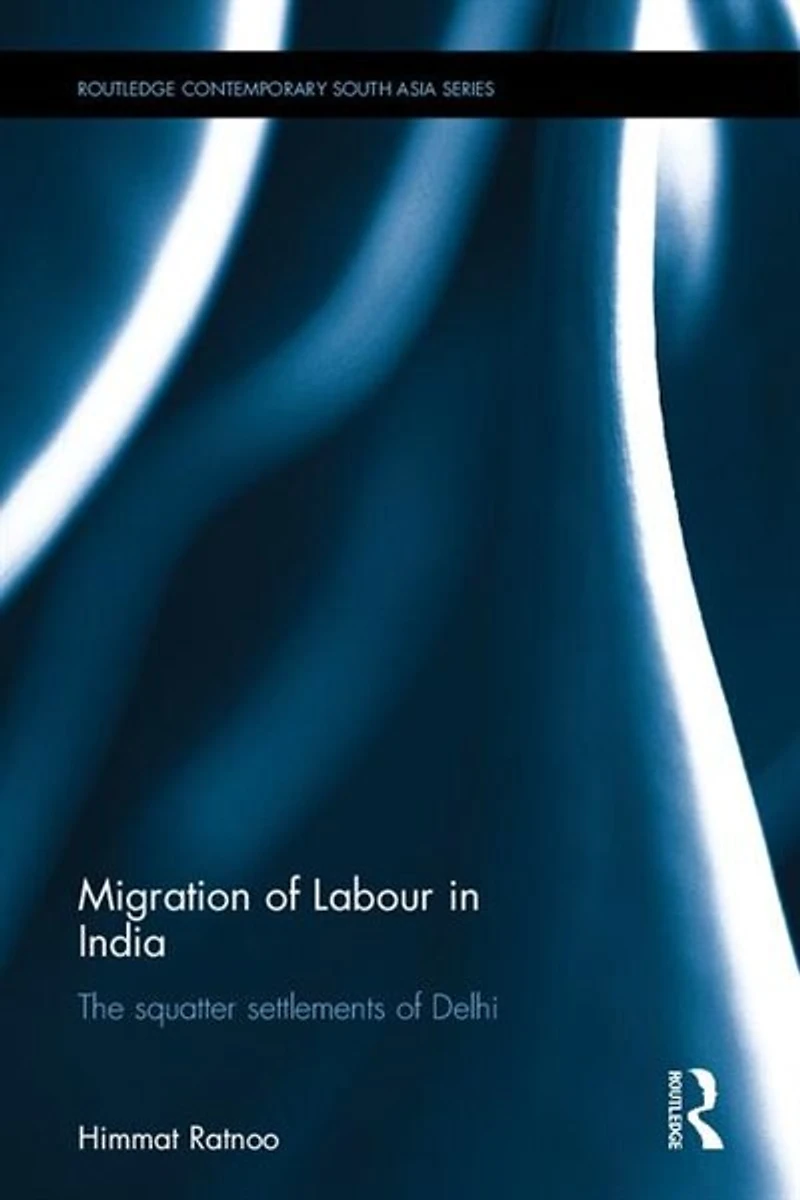
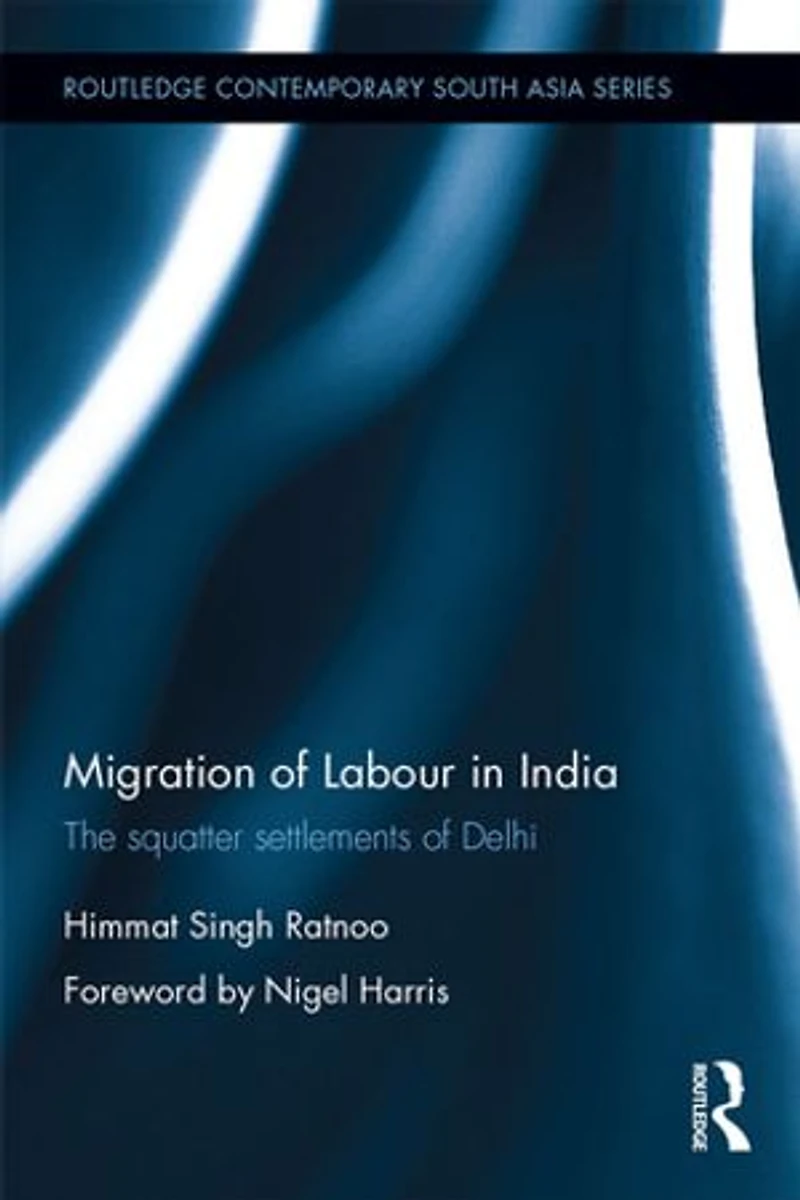

Migration of Labour India: The squatter settlements Delhi in Ottawa, ON
Current price: $333.50

Migration of Labour India: The squatter settlements Delhi in Ottawa, ON
Current price: $333.50
Loading Inventory...
Size: Hardcover
*Product information may vary - to confirm product availability, pricing, shipping and return information please contact Coles
Migration - both within and between countries - is increasingly one of the world's most important policy issues. The faster the Indian economy grows, the larger will be the geographical redistribution of the workforce from localities of low to those of high employment growth. Thus, territorial mobility is fundamental both to realizing the full economic potential of India's people and to allowing the population to escape from rural poverty.
The book analyses the decisive factors in labour migration. Based upon a thorough and robust examination of migrants to three slum localities of Delhi stretching over four decades, the author examines why people migrate, the circumstances of their decision and their experience at their destination. He investigates the myths of urban policy - that "rural development" will reduce migration to the cities, that "growth poles" can be created to divert migrant flows, and that government has the power to influence significantly migration scales and directions while pursuing essentially unpredictable market-driven economic growth.
Testing the essential theoretical basis for urban policy in India, the book is of interest to academics studying migration of labour and urbanization, and those interested in South Asian Studies.
Migration - both within and between countries - is increasingly one of the world's most important policy issues. The faster the Indian economy grows, the larger will be the geographical redistribution of the workforce from localities of low to those of high employment growth. Thus, territorial mobility is fundamental both to realizing the full economic potential of India's people and to allowing the population to escape from rural poverty.
The book analyses the decisive factors in labour migration. Based upon a thorough and robust examination of migrants to three slum localities of Delhi stretching over four decades, the author examines why people migrate, the circumstances of their decision and their experience at their destination. He investigates the myths of urban policy - that "rural development" will reduce migration to the cities, that "growth poles" can be created to divert migrant flows, and that government has the power to influence significantly migration scales and directions while pursuing essentially unpredictable market-driven economic growth.
Testing the essential theoretical basis for urban policy in India, the book is of interest to academics studying migration of labour and urbanization, and those interested in South Asian Studies.
You May Also Like












More About Coles at Bayshore Shopping Centre
Coles is renowned for its outstanding customer service and great selection of books. Along with the vast array of magazines, stationary, audio-books, children's literature, fiction, non-fiction and reference books, you can find accessories to make your reading experience more pleasurable. We can recommend the very best in reading today. We will help you search our titles for exactly what you need, and if we do not have it in stock, we will order it for you.
100 Bayshore Dr, Nepean, ON K2B 8C1, Canada
Find Coles at Bayshore Shopping Centre in Ottawa, ON
Visit Coles at Bayshore Shopping Centre in Ottawa, ON