

Give the Gift of Choice!
Too many options? Treat your friends and family to their favourite stores with a Bayshore Shopping Centre gift card, redeemable at participating retailers throughout the centre. Click below to purchase yours today!Purchase HereHome
Minority Influences Medieval Society
Coles
Loading Inventory...
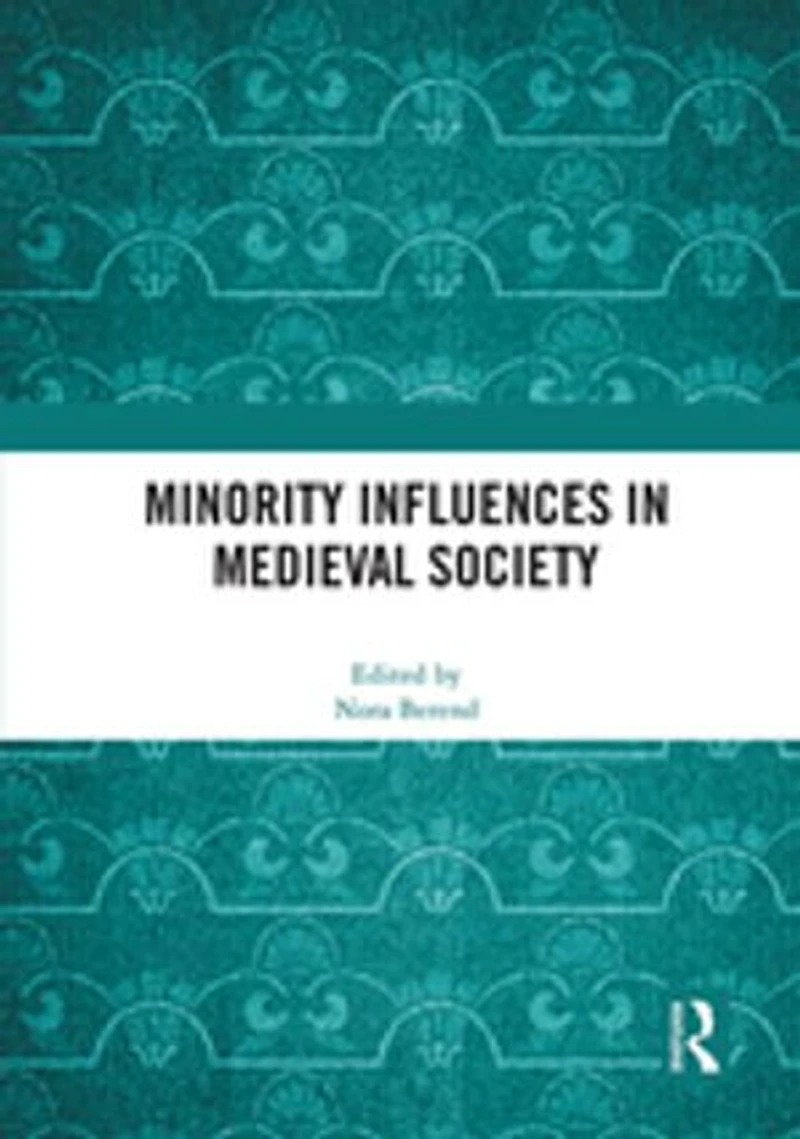
Minority Influences Medieval Society in Ottawa, ON
Current price: $78.71

Minority Influences Medieval Society in Ottawa, ON
Current price: $78.71
Loading Inventory...
Size: Kobo eBook
*Product information may vary - to confirm product availability, pricing, shipping and return information please contact Coles
This book investigates how minorities contributed to medieval society, comparing these contributions to majority society's perceptions of the minority. In this volume the contributors define 'minority' status as based on a group's relative position in power relations, that is, a group with less power than the dominant group(s). The chapters cover both what modern historians call 'religious' and 'ethnic' minorities (including, for example, Muslims in Latin Europe, German-speakers in Central Europe, Dutch in England, Jews and Christians in Egypt), but also address contemporary medieval definitions; medieval writers distinguished between 'believers' and 'infidels', between groups speaking different languages and between those with different legal statuses. The contributors reflect on patterns of influence in terms of what majority societies borrowed from minorities, the ways in which minorities contributed to society, the mechanisms in majority society that triggered positive or negative perceptions, and the function of such perceptions in the dynamics of power. The book highlights structural and situational similarities as well as historical contingency in the shaping of minority influence and majority perceptions. The chapters in this book were originally published as special issue of the Journal of Medieval History.
This book investigates how minorities contributed to medieval society, comparing these contributions to majority society's perceptions of the minority. In this volume the contributors define 'minority' status as based on a group's relative position in power relations, that is, a group with less power than the dominant group(s). The chapters cover both what modern historians call 'religious' and 'ethnic' minorities (including, for example, Muslims in Latin Europe, German-speakers in Central Europe, Dutch in England, Jews and Christians in Egypt), but also address contemporary medieval definitions; medieval writers distinguished between 'believers' and 'infidels', between groups speaking different languages and between those with different legal statuses. The contributors reflect on patterns of influence in terms of what majority societies borrowed from minorities, the ways in which minorities contributed to society, the mechanisms in majority society that triggered positive or negative perceptions, and the function of such perceptions in the dynamics of power. The book highlights structural and situational similarities as well as historical contingency in the shaping of minority influence and majority perceptions. The chapters in this book were originally published as special issue of the Journal of Medieval History.
You May Also Like







More About Coles at Bayshore Shopping Centre
Coles is renowned for its outstanding customer service and great selection of books. Along with the vast array of magazines, stationary, audio-books, children's literature, fiction, non-fiction and reference books, you can find accessories to make your reading experience more pleasurable. We can recommend the very best in reading today. We will help you search our titles for exactly what you need, and if we do not have it in stock, we will order it for you.
100 Bayshore Dr, Nepean, ON K2B 8C1, Canada
Find Coles at Bayshore Shopping Centre in Ottawa, ON
Visit Coles at Bayshore Shopping Centre in Ottawa, ON