

Give the Gift of Choice!
Too many options? Treat your friends and family to their favourite stores with a Bayshore Shopping Centre gift card, redeemable at participating retailers throughout the centre. Click below to purchase yours today!Purchase HereHome
Mismatch: How Our Stone Age Brain Deceives Us Every Day (And What We Can Do About It)
Coles
Loading Inventory...
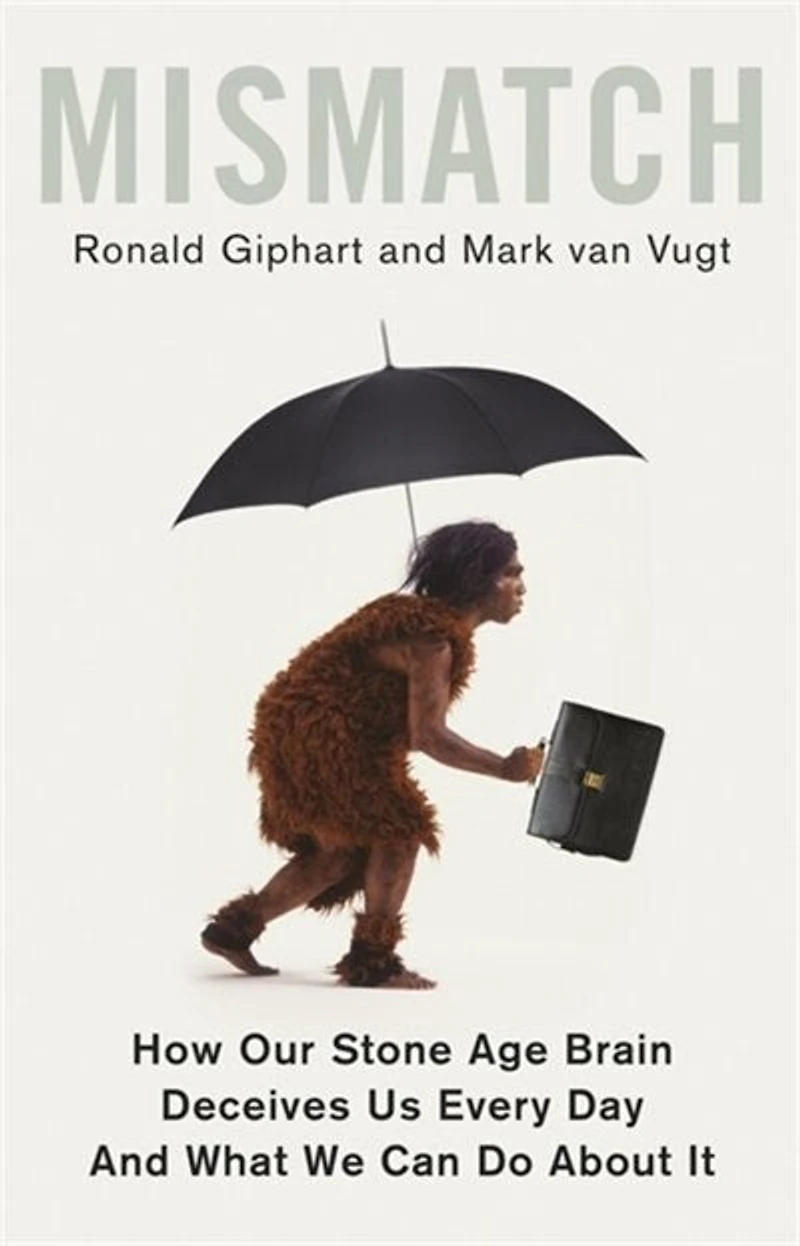
Mismatch: How Our Stone Age Brain Deceives Us Every Day (And What We Can Do About It) in Ottawa, ON
Current price: $26.99

Mismatch: How Our Stone Age Brain Deceives Us Every Day (And What We Can Do About It) in Ottawa, ON
Current price: $26.99
Loading Inventory...
Size: Paperback
*Product information may vary - to confirm product availability, pricing, shipping and return information please contact Coles
Our brains evolved to solve the survival problems of our Stone Age ancestors, so when faced with modern day situations that are less extreme, they often encounter a mismatch. Our primitive brains put us on the wrong foot by responding to stimuli that - in prehistoric times - would have prompted behaviour that was beneficial. If you've ever felt an anxious fight or flight response to a presenting at a board meeting, equivalent to facing imminent death by sabre-toothed tiger, then you have experienced a mismatch.
Mismatch is about the clash between our biology and our culture. It is about the dramatic contrast between the first few million years of human history - when humans lived as hunters and gatherers in small-scale societies - and the past twelve thousand years following the agricultural revolution which have led us to comfortable lives in a very different social structure. Has this rapid transition been good for us? How do we, using our primitive minds, try to survive in a modern information society that radically changes every ten years or so?
Ronald Giphart and Mark van Vugt show that humans have changed their environment so drastically that the chances for mismatch have significantly increased, and these conflicts can have profound consequences.
Reviewed through mismatch glasses, social, societal, and technological trends can be better understood, ranging from the popularity of Facebook and internet porn, to the desire for cosmetic surgery, to our attitudes towards refugees.
Mismatches can also affect our physical and psychological well-being, in terms of our attitudes to happiness, physical exercise, choosing good leaders, or finding ways to feel better at home or work.
Finally, Mismatch gives us an insight into politics and policy which could enable governments, institutions and businesses to create an environment better suited to human nature, its potential and its constraints.
This book is about converting mismatches into matches. The better your life is matched to how your mind operates, the greater your chances of leading a happy, healthy and productive life.
Our brains evolved to solve the survival problems of our Stone Age ancestors, so when faced with modern day situations that are less extreme, they often encounter a mismatch. Our primitive brains put us on the wrong foot by responding to stimuli that - in prehistoric times - would have prompted behaviour that was beneficial. If you've ever felt an anxious fight or flight response to a presenting at a board meeting, equivalent to facing imminent death by sabre-toothed tiger, then you have experienced a mismatch.
Mismatch is about the clash between our biology and our culture. It is about the dramatic contrast between the first few million years of human history - when humans lived as hunters and gatherers in small-scale societies - and the past twelve thousand years following the agricultural revolution which have led us to comfortable lives in a very different social structure. Has this rapid transition been good for us? How do we, using our primitive minds, try to survive in a modern information society that radically changes every ten years or so?
Ronald Giphart and Mark van Vugt show that humans have changed their environment so drastically that the chances for mismatch have significantly increased, and these conflicts can have profound consequences.
Reviewed through mismatch glasses, social, societal, and technological trends can be better understood, ranging from the popularity of Facebook and internet porn, to the desire for cosmetic surgery, to our attitudes towards refugees.
Mismatches can also affect our physical and psychological well-being, in terms of our attitudes to happiness, physical exercise, choosing good leaders, or finding ways to feel better at home or work.
Finally, Mismatch gives us an insight into politics and policy which could enable governments, institutions and businesses to create an environment better suited to human nature, its potential and its constraints.
This book is about converting mismatches into matches. The better your life is matched to how your mind operates, the greater your chances of leading a happy, healthy and productive life.
You May Also Like








More About Coles at Bayshore Shopping Centre
Coles is renowned for its outstanding customer service and great selection of books. Along with the vast array of magazines, stationary, audio-books, children's literature, fiction, non-fiction and reference books, you can find accessories to make your reading experience more pleasurable. We can recommend the very best in reading today. We will help you search our titles for exactly what you need, and if we do not have it in stock, we will order it for you.
100 Bayshore Dr, Nepean, ON K2B 8C1, Canada
Find Coles at Bayshore Shopping Centre in Ottawa, ON
Visit Coles at Bayshore Shopping Centre in Ottawa, ON