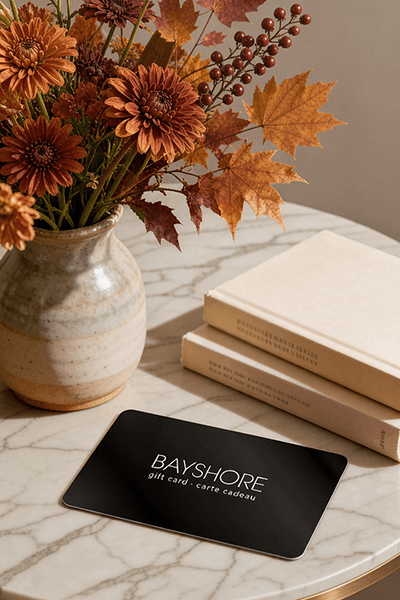
Too many options? Treat your friends and family to their favourite stores with a Bayshore Shopping Centre gift card, redeemable at participating retailers throughout the centre. Click below to purchase yours today!Purchase Here
Coles Misrepresentation and Silence in United States History Textbooks: The Politics of Historical Oblivion at Bayshore Shopping Centre in Ottawa, ON
*Product information may vary - to confirm product availability, pricing, shipping and return information please contact Coles
This open access book investigates how representation of Native Americans and Mexican-origin im/migrants takes place in high school history textbooks. Manually analyzing text and images in United States textbooks from the 1950s to 2022, the book documents stories of White victory and domination over Black, Indigenous, and People of Color (BIPOC) groups that disproportionately fill educational curricula. While representation and accurate information of non-White perspectives improves over time, the same limited tropes tend to be recycled from one textbook to the next. Textual analysis is augmented by focus groups and interviews with BIPOC students in California high schools. Together, the data show how misrepresentation and absence of BIPOC perspectives in textbooks impact youth identity. This book argues for an innovative rethinking of US history curricula to consider which stories are told, and which perspectives are represented.
This open access book investigates how representation of Native Americans and Mexican-origin im/migrants takes place in high school history textbooks. Manually analyzing text and images in United States textbooks from the 1950s to 2022, the book documents stories of White victory and domination over Black, Indigenous, and People of Color (BIPOC) groups that disproportionately fill educational curricula. While representation and accurate information of non-White perspectives improves over time, the same limited tropes tend to be recycled from one textbook to the next. Textual analysis is augmented by focus groups and interviews with BIPOC students in California high schools. Together, the data show how misrepresentation and absence of BIPOC perspectives in textbooks impact youth identity. This book argues for an innovative rethinking of US history curricula to consider which stories are told, and which perspectives are represented.
Coles is renowned for its outstanding customer service and great selection of books. Along with the vast array of magazines, stationary, audio-books, children's literature, fiction, non-fiction and reference books, you can find accessories to make your reading experience more pleasurable. We can recommend the very best in reading today. We will help you search our titles for exactly what you need, and if we do not have it in stock, we will order it for you.