

Give the Gift of Choice!
Too many options? Treat your friends and family to their favourite stores with a Bayshore Shopping Centre gift card, redeemable at participating retailers throughout the centre. Click below to purchase yours today!Purchase HereHome
Mockery and Typology Milton's Poetry: Laughing with God
Coles
Loading Inventory...
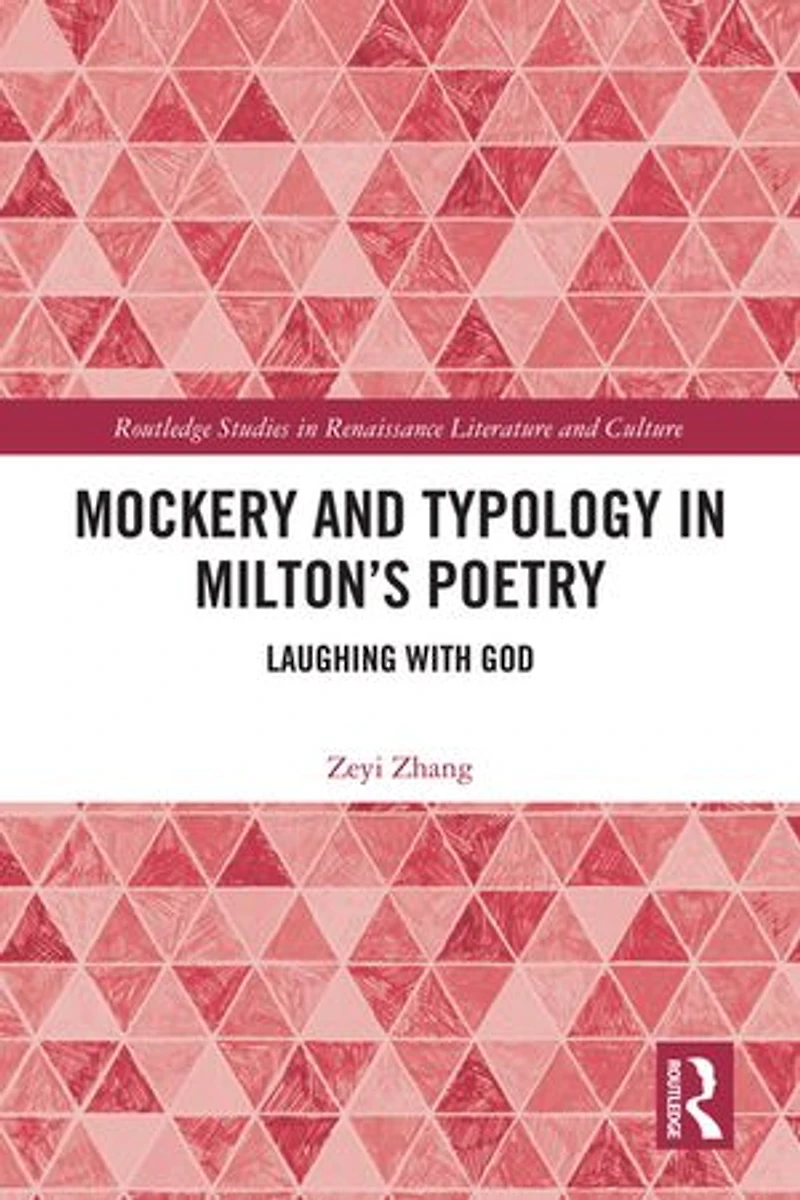
Mockery and Typology Milton's Poetry: Laughing with God in Ottawa, ON
Current price: $346.50

Mockery and Typology Milton's Poetry: Laughing with God in Ottawa, ON
Current price: $346.50
Loading Inventory...
Size: Hardcover
*Product information may vary - to confirm product availability, pricing, shipping and return information please contact Coles
This book examines the typological significance of Milton's use of mockery in his major poetic works. In Milton's poetry, mockery has a constructive purpose that transcends the primarily destructive and condemnatory function of comic ridicule. Engaging human affections, mockery plays a mediating role and connects reason and appetite. Oriented toward Christ's endurance of mockery on the cross and his mocking defeat of the devil in the Resurrection, the exchanges of mockery between Milton's protagonists and antagonists demonstrate how mockery strengthens the human soul and unifies reason and the mortal body, enabling the participation in God's laughter. Revisiting Milton's poetry with special attention to mockery and typology shows the thematic potential of laughter in non-comedic works of literature. From the reader's perspective, mockery in Milton's poetry also bears a pedagogical function, showing us how to laugh with God in a postlapsarian world of imperfection.
This book examines the typological significance of Milton's use of mockery in his major poetic works. In Milton's poetry, mockery has a constructive purpose that transcends the primarily destructive and condemnatory function of comic ridicule. Engaging human affections, mockery plays a mediating role and connects reason and appetite. Oriented toward Christ's endurance of mockery on the cross and his mocking defeat of the devil in the Resurrection, the exchanges of mockery between Milton's protagonists and antagonists demonstrate how mockery strengthens the human soul and unifies reason and the mortal body, enabling the participation in God's laughter. Revisiting Milton's poetry with special attention to mockery and typology shows the thematic potential of laughter in non-comedic works of literature. From the reader's perspective, mockery in Milton's poetry also bears a pedagogical function, showing us how to laugh with God in a postlapsarian world of imperfection.
You May Also Like








More About Coles at Bayshore Shopping Centre
Coles is renowned for its outstanding customer service and great selection of books. Along with the vast array of magazines, stationary, audio-books, children's literature, fiction, non-fiction and reference books, you can find accessories to make your reading experience more pleasurable. We can recommend the very best in reading today. We will help you search our titles for exactly what you need, and if we do not have it in stock, we will order it for you.
100 Bayshore Dr, Nepean, ON K2B 8C1, Canada
Find Coles at Bayshore Shopping Centre in Ottawa, ON
Visit Coles at Bayshore Shopping Centre in Ottawa, ON