

Give the Gift of Choice!
Too many options? Treat your friends and family to their favourite stores with a Bayshore Shopping Centre gift card, redeemable at participating retailers throughout the centre. Click below to purchase yours today!Purchase HereHome
Monet's Broom
Coles
Loading Inventory...
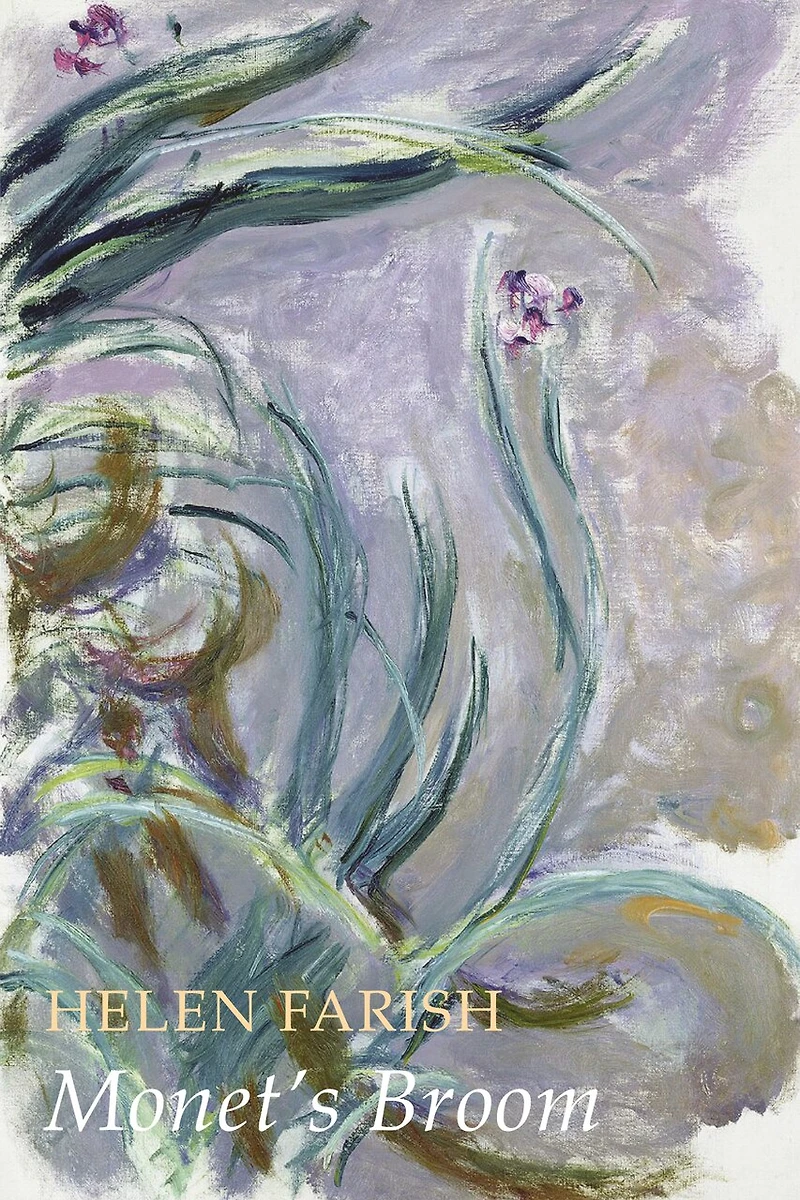
Monet's Broom in Ottawa, ON
Current price: $27.95

Monet's Broom in Ottawa, ON
Current price: $27.95
Loading Inventory...
Size: Paperback
*Product information may vary - to confirm product availability, pricing, shipping and return information please contact Coles
This ambitious and immensely readable fifth collection from Helen Farish asks searching questions about the creative process and what it means to lead a fully creative life. When Claude Monet died in 1926 he left behind over three thousand works of art, and in his last decade he was exploring as rigorously as in his early years what a painting could be. Helen Farish’s poems in Monet’s Broom emerge from a deep absorption in the work of this extraordinary artist who revered that most fragile and fleeting of things: the present moment. The inspiration for her collection is wide-ranging, drawing not only on the art itself, but also on the day Monet purchased the land which enabled him to create his water garden; or a photograph of the unvisited Musée de l’Orangerie in the 1930s; or an imagining of the trains which transported his painting materials during the First World War; or the voices of the grainstacks which stood in a field behind Monet’s house and which spoke to him of the ‘mournful kernel at the heart / of all human joy’. When life finally gave Monet ‘a place to bite into’, he moved to Giverny with Alice Horschedé whose powerful voice, along with that of his first wife, Camille Doncieux, threads the narrative together.
This ambitious and immensely readable fifth collection from Helen Farish asks searching questions about the creative process and what it means to lead a fully creative life. When Claude Monet died in 1926 he left behind over three thousand works of art, and in his last decade he was exploring as rigorously as in his early years what a painting could be. Helen Farish’s poems in Monet’s Broom emerge from a deep absorption in the work of this extraordinary artist who revered that most fragile and fleeting of things: the present moment. The inspiration for her collection is wide-ranging, drawing not only on the art itself, but also on the day Monet purchased the land which enabled him to create his water garden; or a photograph of the unvisited Musée de l’Orangerie in the 1930s; or an imagining of the trains which transported his painting materials during the First World War; or the voices of the grainstacks which stood in a field behind Monet’s house and which spoke to him of the ‘mournful kernel at the heart / of all human joy’. When life finally gave Monet ‘a place to bite into’, he moved to Giverny with Alice Horschedé whose powerful voice, along with that of his first wife, Camille Doncieux, threads the narrative together.
You May Also Like











More About Coles at Bayshore Shopping Centre
Coles is renowned for its outstanding customer service and great selection of books. Along with the vast array of magazines, stationary, audio-books, children's literature, fiction, non-fiction and reference books, you can find accessories to make your reading experience more pleasurable. We can recommend the very best in reading today. We will help you search our titles for exactly what you need, and if we do not have it in stock, we will order it for you.
100 Bayshore Dr, Nepean, ON K2B 8C1, Canada
Find Coles at Bayshore Shopping Centre in Ottawa, ON
Visit Coles at Bayshore Shopping Centre in Ottawa, ON