

Give the Gift of Choice!
Too many options? Treat your friends and family to their favourite stores with a Bayshore Shopping Centre gift card, redeemable at participating retailers throughout the centre. Click below to purchase yours today!Purchase HereHome
Monitoring the Health of Populations by Tracking Disease Outbreaks: Saving Humanity from Next Plague
Coles
Loading Inventory...
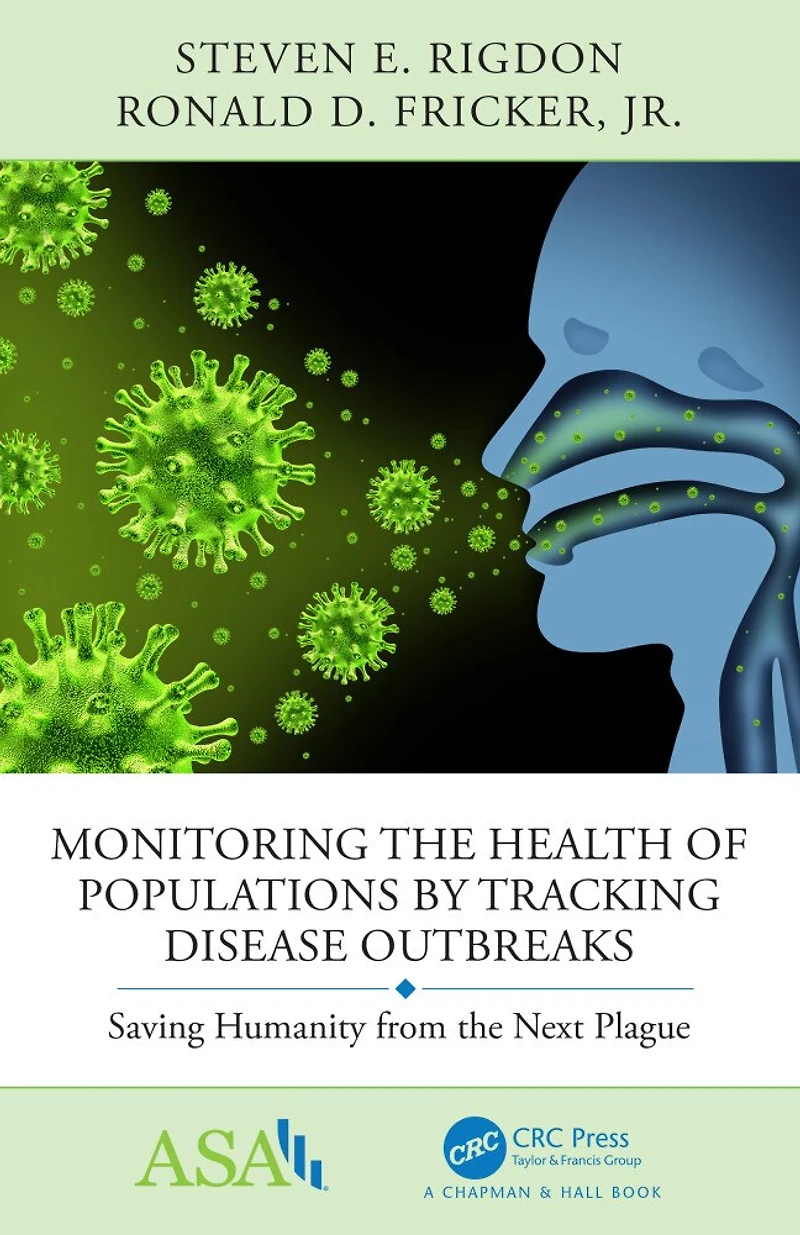
Monitoring the Health of Populations by Tracking Disease Outbreaks: Saving Humanity from Next Plague in Ottawa, ON
Current price: $177.95

Monitoring the Health of Populations by Tracking Disease Outbreaks: Saving Humanity from Next Plague in Ottawa, ON
Current price: $177.95
Loading Inventory...
Size: Hardcover
*Product information may vary - to confirm product availability, pricing, shipping and return information please contact Coles
With COVID-19 sweeping across the globe with near impunity, it is thwarting governments and health organizations efforts to contain it. Not since the 1918 Spanish Flu have citizens of developed countries experienced such a large-scale disease outbreak that is having devastating health and economic impacts. One reason such outbreaks are not more common has been the success of the public health community, including epidemiologists and biostatisticians, in identifying and then mitigating or eliminating the outbreaks. Monitoring the Health of Populations by Tracking Disease Outbreaks: Saving Humanity from the Next Plague is the story of the application of statistics for disease detection and tracking. The work of public health officials often crucially depends on statistical methods to help discern whether an outbreak may be occurring and, if there is sufficient evidence of an outbreak, then to locate and track it. Statisticians also help collect critical information, and they analyze the resulting data to help investigators zero in on a cause for a disease. With the recent outbreaks of diseases such as swine and bird flu, Ebola, and now COVID-19, the role that epidemiologists and biostatisticians play is more important than ever. Features: · Discusses the crucial roles of statistics in early disease detection. · Outlines the concepts and methods of disease surveillance. · Covers surveillance techniques for communicable diseases like Zika and chronic diseases such as cancer. · Gives real world examples of disease investigations including smallpox, syphilis, anthrax, yellow fever, and microcephaly (and its relationship to the Zika virus). Via the process of identifying an outbreak, finding its cause, and developing a plan to prevent its reoccurrence, this book tells the story of how medical and public health professionals use statistics to help mitigate the effects of disease. This book will help readers understand how statisticians and epidemiologists help combat the spread of such diseases in order to improve public health across the world.
With COVID-19 sweeping across the globe with near impunity, it is thwarting governments and health organizations efforts to contain it. Not since the 1918 Spanish Flu have citizens of developed countries experienced such a large-scale disease outbreak that is having devastating health and economic impacts. One reason such outbreaks are not more common has been the success of the public health community, including epidemiologists and biostatisticians, in identifying and then mitigating or eliminating the outbreaks. Monitoring the Health of Populations by Tracking Disease Outbreaks: Saving Humanity from the Next Plague is the story of the application of statistics for disease detection and tracking. The work of public health officials often crucially depends on statistical methods to help discern whether an outbreak may be occurring and, if there is sufficient evidence of an outbreak, then to locate and track it. Statisticians also help collect critical information, and they analyze the resulting data to help investigators zero in on a cause for a disease. With the recent outbreaks of diseases such as swine and bird flu, Ebola, and now COVID-19, the role that epidemiologists and biostatisticians play is more important than ever. Features: · Discusses the crucial roles of statistics in early disease detection. · Outlines the concepts and methods of disease surveillance. · Covers surveillance techniques for communicable diseases like Zika and chronic diseases such as cancer. · Gives real world examples of disease investigations including smallpox, syphilis, anthrax, yellow fever, and microcephaly (and its relationship to the Zika virus). Via the process of identifying an outbreak, finding its cause, and developing a plan to prevent its reoccurrence, this book tells the story of how medical and public health professionals use statistics to help mitigate the effects of disease. This book will help readers understand how statisticians and epidemiologists help combat the spread of such diseases in order to improve public health across the world.
You May Also Like












More About Coles at Bayshore Shopping Centre
Coles is renowned for its outstanding customer service and great selection of books. Along with the vast array of magazines, stationary, audio-books, children's literature, fiction, non-fiction and reference books, you can find accessories to make your reading experience more pleasurable. We can recommend the very best in reading today. We will help you search our titles for exactly what you need, and if we do not have it in stock, we will order it for you.
100 Bayshore Dr, Nepean, ON K2B 8C1, Canada
Find Coles at Bayshore Shopping Centre in Ottawa, ON
Visit Coles at Bayshore Shopping Centre in Ottawa, ON