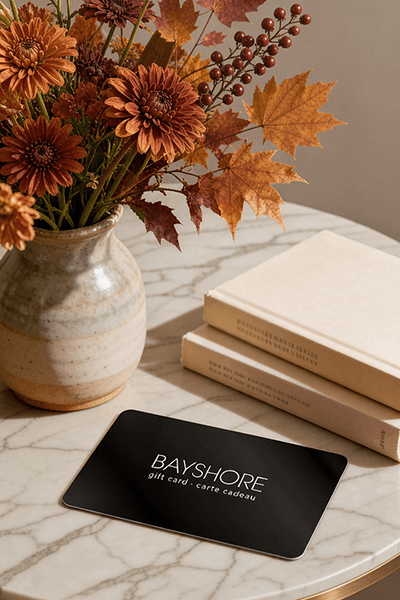
Too many options? Treat your friends and family to their favourite stores with a Bayshore Shopping Centre gift card, redeemable at participating retailers throughout the centre. Click below to purchase yours today!Purchase Here
Coles Monody Euripides: Character and the Liberation of Form Late Greek Tragedy at Bayshore Shopping Centre in Ottawa, ON
*Product information may vary - to confirm product availability, pricing, shipping and return information please contact Coles
The solo singer takes center stage in Euripides' late tragedies. Solo song – what the Ancient Greeks called monody – is a true dramatic innovation, combining and transcending the traditional poetic forms of Greek tragedy. At the same time, Euripides uses solo song to explore the realm of the interior and the personal in an expanded expressive range. Contributing to the current scholarly debate on music, emotion, and characterization in Greek drama, this book presents a new vision for the role of monody in the musical design of Ion, Iphigenia among the Taurians, Phoenician Women, and Orestes. Drawing on her practical experience in the theater, Catenaccio establishes the central importance of monody in Euripides' art.
The solo singer takes center stage in Euripides' late tragedies. Solo song – what the Ancient Greeks called monody – is a true dramatic innovation, combining and transcending the traditional poetic forms of Greek tragedy. At the same time, Euripides uses solo song to explore the realm of the interior and the personal in an expanded expressive range. Contributing to the current scholarly debate on music, emotion, and characterization in Greek drama, this book presents a new vision for the role of monody in the musical design of Ion, Iphigenia among the Taurians, Phoenician Women, and Orestes. Drawing on her practical experience in the theater, Catenaccio establishes the central importance of monody in Euripides' art.
Coles is renowned for its outstanding customer service and great selection of books. Along with the vast array of magazines, stationary, audio-books, children's literature, fiction, non-fiction and reference books, you can find accessories to make your reading experience more pleasurable. We can recommend the very best in reading today. We will help you search our titles for exactly what you need, and if we do not have it in stock, we will order it for you.