

Give the Gift of Choice!
Too many options? Treat your friends and family to their favourite stores with a Bayshore Shopping Centre gift card, redeemable at participating retailers throughout the centre. Click below to purchase yours today!Purchase HereHome
More-than-One Health: Humans, Animals, and the Environment Post-COVID
Coles
Loading Inventory...
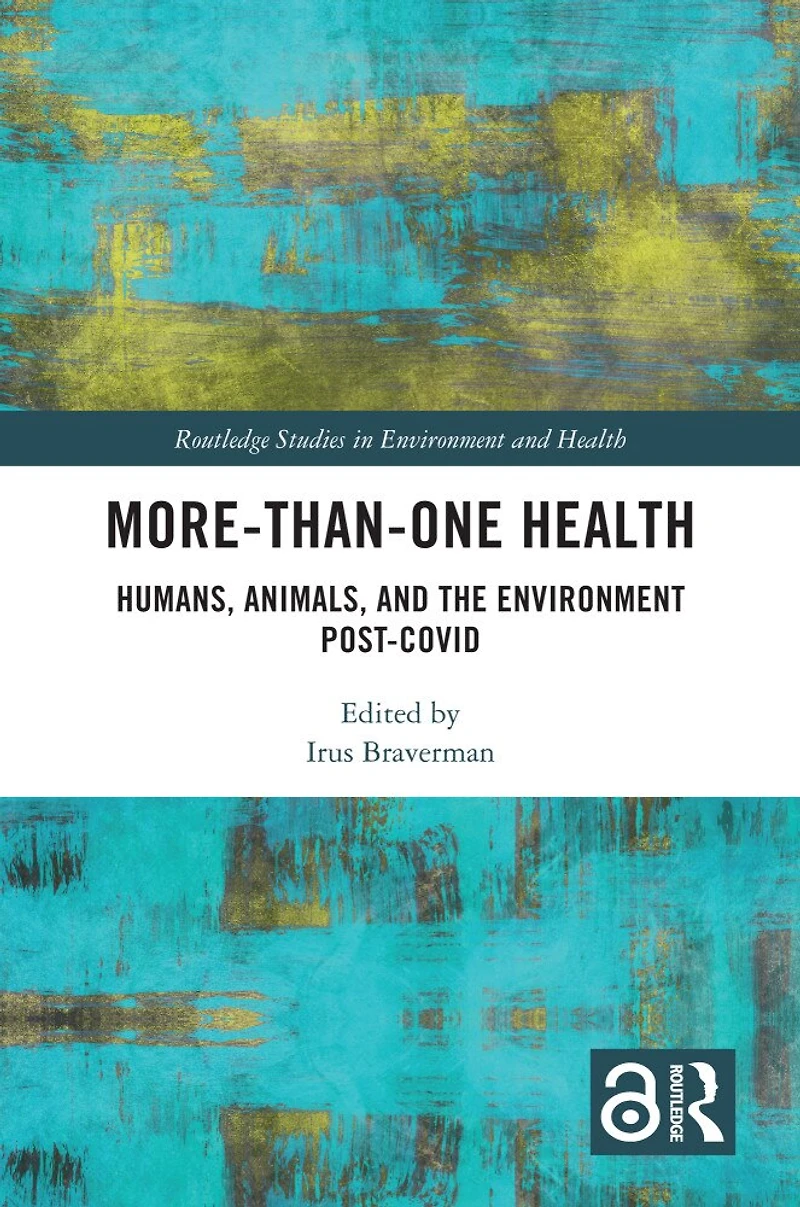
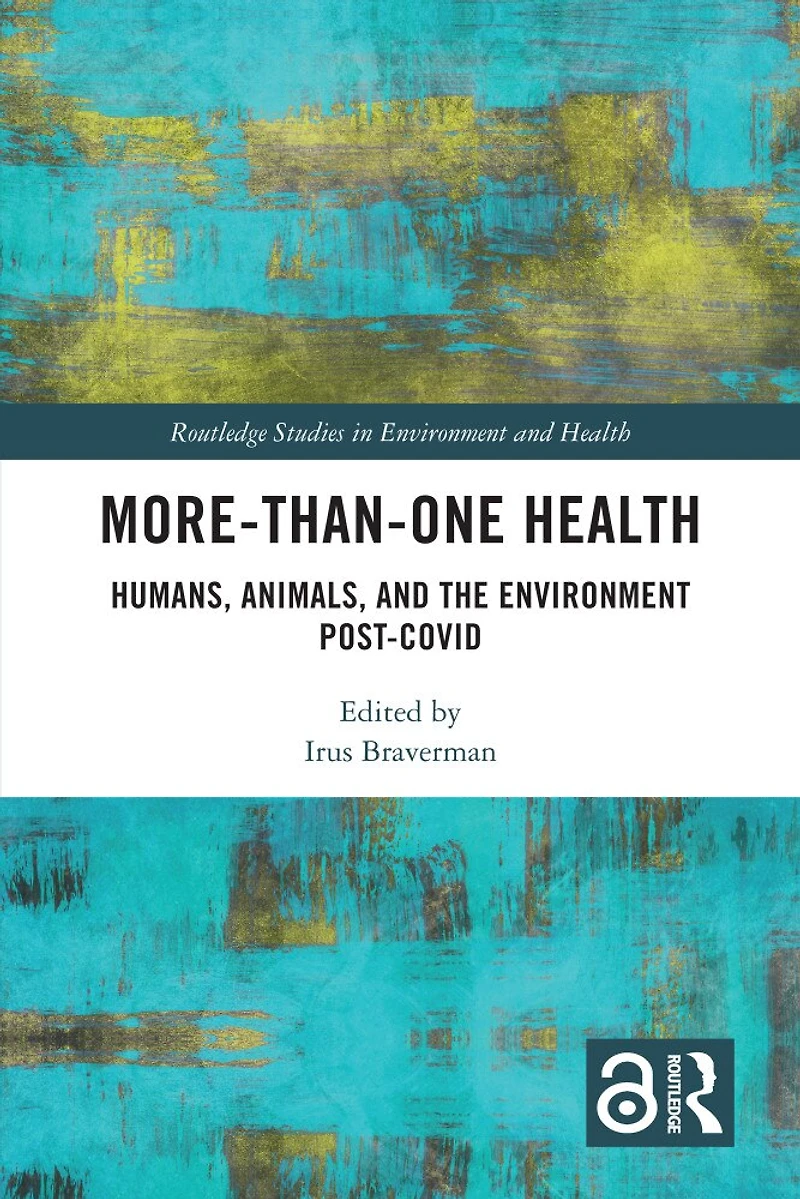
More-than-One Health: Humans, Animals, and the Environment Post-COVID in Ottawa, ON
Current price: $266.50

More-than-One Health: Humans, Animals, and the Environment Post-COVID in Ottawa, ON
Current price: $266.50
Loading Inventory...
Size: Hardcover
*Product information may vary - to confirm product availability, pricing, shipping and return information please contact Coles
This edited volume examines the complex entanglements of human, animal, and environmental health. It assembles leading scholars from the humanities, social sciences, natural sciences, and medicine to explore existing One Health approaches and to envision a mode of health that is both more-than-human and also more sensitive to, and explicit about, colonial and neocolonial legacies-urging the decolonization of One Health. While acknowledging the importance of One Health, the volume at the same time critically examines its roots, highlighting the structural biases and power dynamics still at play in this global health regime. The volume is distinctive in its geographic breadth. It travels from Inuit sled dogs in the Arctic to rock hyraxes in Jerusalem, from black-faced spoonbills in Taiwan to street dogs in India, from spittle-bugs on Mallorca's almond trees to jellyfish management at sea, and from rabies in sub-Saharan Africa to massive culling practices in South Korea. Together, the contributors call for One Health to move toward a more transparent, plural, and just perception of health that takes seriously the role of more-than-humans and of nonscientific knowledges, pointing to ways in which One Health can-and should-be decolonized. This volume will appeal to researchers and practitioners in the medical humanities, posthumanities, environmental humanities, science and technology studies, animal studies, multispecies ethnography, anthrozoology, and critical public health. The Open Access version of chapter 1, available at http://www.taylorfrancis.com/books/e/9781003294085, has been made available under a Creative Commons Attribution-Non Commercial-No Derivatives 4.0 license. Funded by the Wellcome Trust.
This edited volume examines the complex entanglements of human, animal, and environmental health. It assembles leading scholars from the humanities, social sciences, natural sciences, and medicine to explore existing One Health approaches and to envision a mode of health that is both more-than-human and also more sensitive to, and explicit about, colonial and neocolonial legacies-urging the decolonization of One Health. While acknowledging the importance of One Health, the volume at the same time critically examines its roots, highlighting the structural biases and power dynamics still at play in this global health regime. The volume is distinctive in its geographic breadth. It travels from Inuit sled dogs in the Arctic to rock hyraxes in Jerusalem, from black-faced spoonbills in Taiwan to street dogs in India, from spittle-bugs on Mallorca's almond trees to jellyfish management at sea, and from rabies in sub-Saharan Africa to massive culling practices in South Korea. Together, the contributors call for One Health to move toward a more transparent, plural, and just perception of health that takes seriously the role of more-than-humans and of nonscientific knowledges, pointing to ways in which One Health can-and should-be decolonized. This volume will appeal to researchers and practitioners in the medical humanities, posthumanities, environmental humanities, science and technology studies, animal studies, multispecies ethnography, anthrozoology, and critical public health. The Open Access version of chapter 1, available at http://www.taylorfrancis.com/books/e/9781003294085, has been made available under a Creative Commons Attribution-Non Commercial-No Derivatives 4.0 license. Funded by the Wellcome Trust.
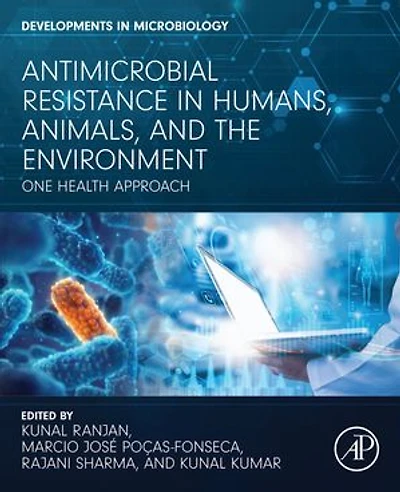
You May Also Like
















More About Coles at Bayshore Shopping Centre
Coles is renowned for its outstanding customer service and great selection of books. Along with the vast array of magazines, stationary, audio-books, children's literature, fiction, non-fiction and reference books, you can find accessories to make your reading experience more pleasurable. We can recommend the very best in reading today. We will help you search our titles for exactly what you need, and if we do not have it in stock, we will order it for you.
100 Bayshore Dr, Nepean, ON K2B 8C1, Canada
Find Coles at Bayshore Shopping Centre in Ottawa, ON
Visit Coles at Bayshore Shopping Centre in Ottawa, ON