

Give the Gift of Choice!
Too many options? Treat your friends and family to their favourite stores with a Bayshore Shopping Centre gift card, redeemable at participating retailers throughout the centre. Click below to purchase yours today!Purchase HereHome
Mozambique Culture and Art, The History: Mozambicans People, Tradition, and Tourism
Coles
Loading Inventory...
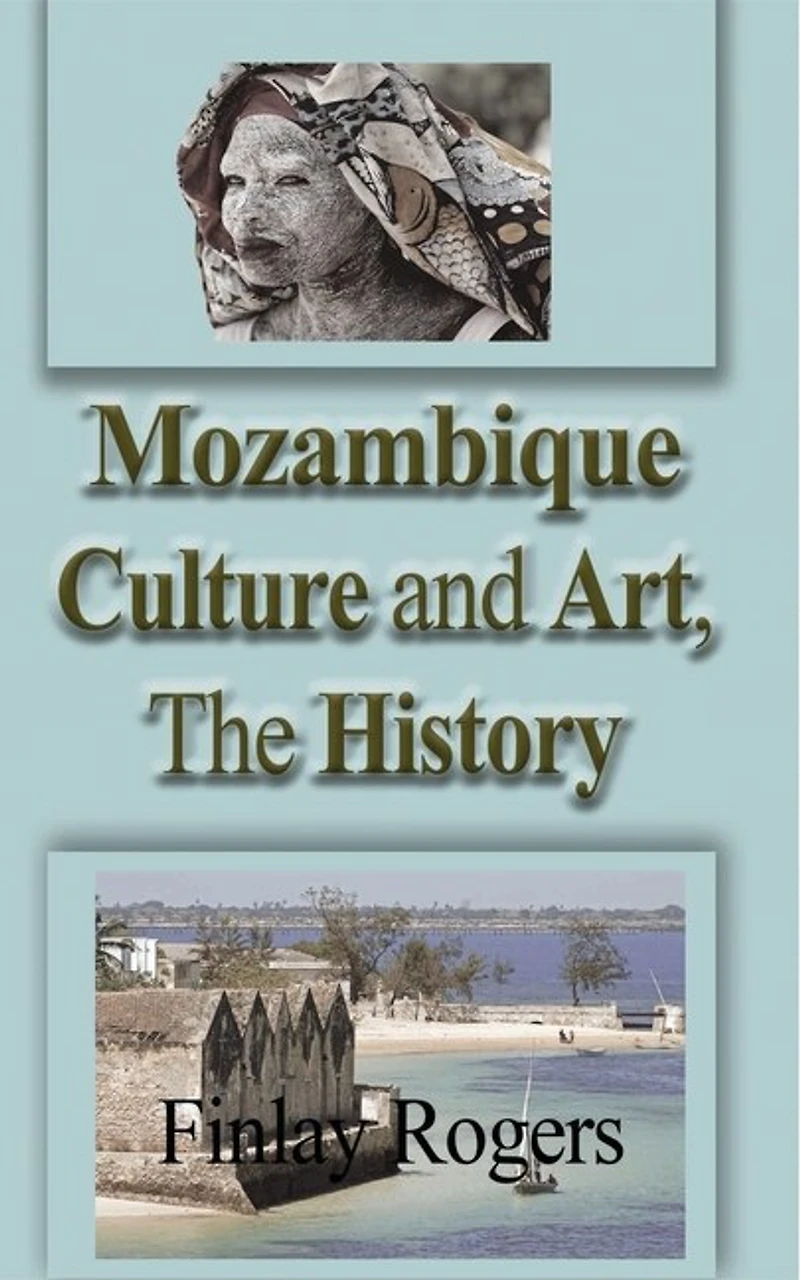
Mozambique Culture and Art, The History: Mozambicans People, Tradition, and Tourism in Ottawa, ON
Current price: $41.58

Mozambique Culture and Art, The History: Mozambicans People, Tradition, and Tourism in Ottawa, ON
Current price: $41.58
Loading Inventory...
Size: Paperback
*Product information may vary - to confirm product availability, pricing, shipping and return information please contact Coles
Mozambique Culture and Art, The History. Mozambicans People, Tradition, and Tourism. The people of Mozambique are ethnically diverse, but ethnic categories are fluid and reflect the country's colonial history. All inhabitants of the country were designated Portuguese in 1961, and some ethnic classifications such as Makua-Lomwe were created by colonial Portuguese officials themselves. Within the country, in addition to the Makua-Lomwe, live the Tsonga, Sena, Ndau (see Shona), Chopi, Chewa, Yao, Makonde, and Ngoni. In terms of cultural organization, the Zambezi valley again provides Mozambique's key marker, roughly dividing groups that trace their heritage according to principles of matrilineality to the north and groups that order themselves along patrilineal lines to the south. In matrilineal groups, authority rests in the senior male of the extended family traced through the female line, whereas in patrilineal groups the senior male is identified through the male line. Throughout the 20th century, however, many matrilineal groups adopted patrilineality and virilocal settlement, with new families settling in a household of the husband's lineage rather than the wife's
Mozambique Culture and Art, The History. Mozambicans People, Tradition, and Tourism. The people of Mozambique are ethnically diverse, but ethnic categories are fluid and reflect the country's colonial history. All inhabitants of the country were designated Portuguese in 1961, and some ethnic classifications such as Makua-Lomwe were created by colonial Portuguese officials themselves. Within the country, in addition to the Makua-Lomwe, live the Tsonga, Sena, Ndau (see Shona), Chopi, Chewa, Yao, Makonde, and Ngoni. In terms of cultural organization, the Zambezi valley again provides Mozambique's key marker, roughly dividing groups that trace their heritage according to principles of matrilineality to the north and groups that order themselves along patrilineal lines to the south. In matrilineal groups, authority rests in the senior male of the extended family traced through the female line, whereas in patrilineal groups the senior male is identified through the male line. Throughout the 20th century, however, many matrilineal groups adopted patrilineality and virilocal settlement, with new families settling in a household of the husband's lineage rather than the wife's
You May Also Like
![African American Culture: An Encyclopedia of People, Traditions, and Customs [3 volumes]](https://cdn.mall.adeptmind.ai/https%253A%252F%252Fcdn.shopify.com%252Fs%252Ffiles%252F1%252F0655%252F8980%252F5233%252Ffiles%252Fimage_7e262732-837f-4f46-ae53-12b0cdea8758.jpg_medium.webp)







More About Coles at Bayshore Shopping Centre
Coles is renowned for its outstanding customer service and great selection of books. Along with the vast array of magazines, stationary, audio-books, children's literature, fiction, non-fiction and reference books, you can find accessories to make your reading experience more pleasurable. We can recommend the very best in reading today. We will help you search our titles for exactly what you need, and if we do not have it in stock, we will order it for you.
100 Bayshore Dr, Nepean, ON K2B 8C1, Canada
Find Coles at Bayshore Shopping Centre in Ottawa, ON
Visit Coles at Bayshore Shopping Centre in Ottawa, ON