

Give the Gift of Choice!
Too many options? Treat your friends and family to their favourite stores with a Bayshore Shopping Centre gift card, redeemable at participating retailers throughout the centre. Click below to purchase yours today!Purchase HereHome
Multiple Objective Treatment Aspects of Bank Filtration
Coles
Loading Inventory...

Multiple Objective Treatment Aspects of Bank Filtration in Ottawa, ON
Current price: $266.50

Multiple Objective Treatment Aspects of Bank Filtration in Ottawa, ON
Current price: $266.50
Loading Inventory...
Size: Hardcover
*Product information may vary - to confirm product availability, pricing, shipping and return information please contact Coles
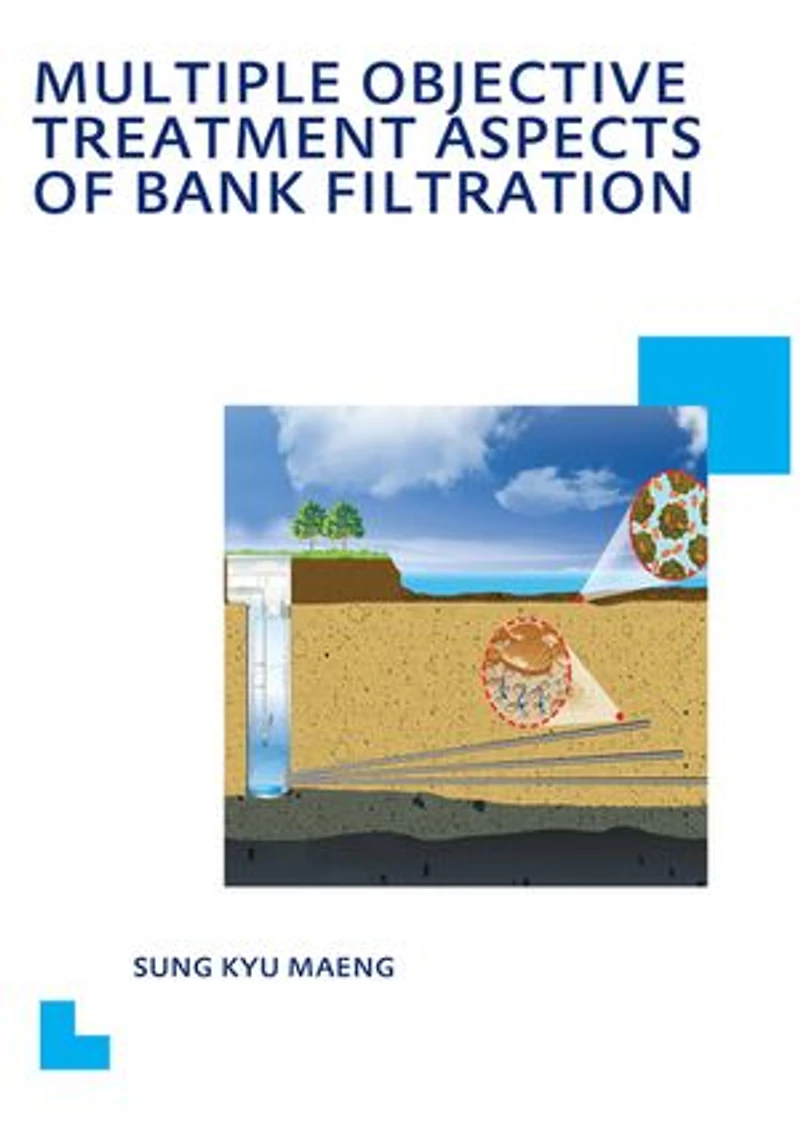
Bank filtration (BF) is a natural water treatment process which induces surface water to flow in response to a hydraulic gradient through soil/sediment and into a vertical or horizontal well. It is a relatively cost-effective, robust and sustainable technology. From a historical perspective, BF is first mentioned in the bible, and the process has been recognized as a proven method for drinking water treatment in Europe for more than 100 years. However, the mechanisms of removal of different contaminants during BF are not fully understood. This study showed that BF is an effective multiple objective barrier for removal of different contaminants present in surface water sources including bulk organic matter and organic micropollutants (OMPs) like pharmaceutically active compounds and endocrine disrupting compounds. It was found that biodegradation and adsorption play primary and secondary roles, respectively, in the removal of OMPs during soil passage. Furthermore, using field data from BF sites and chemical properties of OMPs, models were developed to estimate the removal of OMPs during soil passage. It can be concluded that the removal efficiencies of BF for these contaminants can be maximised by proper design and operation of recovery wells taking into consideration source water quality characteristics and local hydrogeological conditions.
Bank filtration (BF) is a natural water treatment process which induces surface water to flow in response to a hydraulic gradient through soil/sediment and into a vertical or horizontal well. It is a relatively cost-effective, robust and sustainable technology. From a historical perspective, BF is first mentioned in the bible, and the process has been recognized as a proven method for drinking water treatment in Europe for more than 100 years. However, the mechanisms of removal of different contaminants during BF are not fully understood. This study showed that BF is an effective multiple objective barrier for removal of different contaminants present in surface water sources including bulk organic matter and organic micropollutants (OMPs) like pharmaceutically active compounds and endocrine disrupting compounds. It was found that biodegradation and adsorption play primary and secondary roles, respectively, in the removal of OMPs during soil passage. Furthermore, using field data from BF sites and chemical properties of OMPs, models were developed to estimate the removal of OMPs during soil passage. It can be concluded that the removal efficiencies of BF for these contaminants can be maximised by proper design and operation of recovery wells taking into consideration source water quality characteristics and local hydrogeological conditions.
You May Also Like













More About Coles at Bayshore Shopping Centre
Coles is renowned for its outstanding customer service and great selection of books. Along with the vast array of magazines, stationary, audio-books, children's literature, fiction, non-fiction and reference books, you can find accessories to make your reading experience more pleasurable. We can recommend the very best in reading today. We will help you search our titles for exactly what you need, and if we do not have it in stock, we will order it for you.
100 Bayshore Dr, Nepean, ON K2B 8C1, Canada
Find Coles at Bayshore Shopping Centre in Ottawa, ON
Visit Coles at Bayshore Shopping Centre in Ottawa, ON