

Give the Gift of Choice!
Too many options? Treat your friends and family to their favourite stores with a Bayshore Shopping Centre gift card, redeemable at participating retailers throughout the centre. Click below to purchase yours today!Purchase HereHome
Music Downtown Eastside: Human Rights and Capability Development through Urban Poverty
Coles
Loading Inventory...
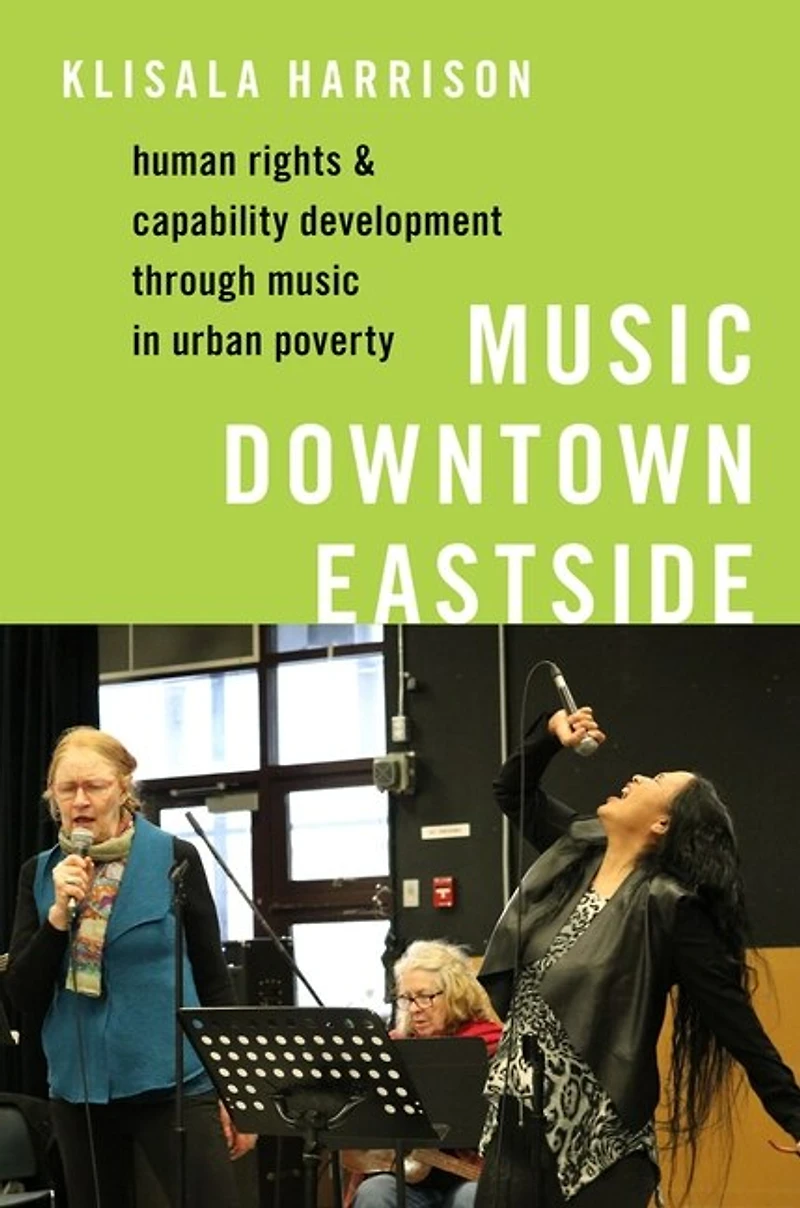
Music Downtown Eastside: Human Rights and Capability Development through Urban Poverty in Ottawa, ON
Current price: $108.95

Music Downtown Eastside: Human Rights and Capability Development through Urban Poverty in Ottawa, ON
Current price: $108.95
Loading Inventory...
Size: Hardcover
*Product information may vary - to confirm product availability, pricing, shipping and return information please contact Coles
How can music-making help improve the lives of homeless people and others living in poverty in urban neighborhoods in the global North? How can popular music support the most vulnerable in developing their capabilities and asserting their human rights? In this book, author Klisala Harrison takes readers to one of North America's poorest urban areas - Vancouver's Downtown Eastside - as she looks at and asks questions of its musical initiatives for the urban poor - from music jams and music therapy sessions to public performances of music theatre. Harrison not only demonstrates how these initiatives succeed in promoting human rights but also reveals that they may sometimes unwittingly exacerbate human rights violations.
Music Downtown Eastside draws on two decades of research to illustrate how human rights such as the right to health, the right to self-determination, and women's rights - all of which often remain unfulfilled for the homeless and the urban poor - can be promoted through music. Ethnographic vignettes and song lyrics by artists from the local community provide a vivid insight into the unique musical scene of Downtown Eastside. At the same time, Harrison's examination of how gentrification, grant funding, and different community organizations affect the success or failure of human rights-focused musical initiatives offers insights into the complex relationship between music, poverty, and human rights that have repercussions beyond this local context.
How can music-making help improve the lives of homeless people and others living in poverty in urban neighborhoods in the global North? How can popular music support the most vulnerable in developing their capabilities and asserting their human rights? In this book, author Klisala Harrison takes readers to one of North America's poorest urban areas - Vancouver's Downtown Eastside - as she looks at and asks questions of its musical initiatives for the urban poor - from music jams and music therapy sessions to public performances of music theatre. Harrison not only demonstrates how these initiatives succeed in promoting human rights but also reveals that they may sometimes unwittingly exacerbate human rights violations.
Music Downtown Eastside draws on two decades of research to illustrate how human rights such as the right to health, the right to self-determination, and women's rights - all of which often remain unfulfilled for the homeless and the urban poor - can be promoted through music. Ethnographic vignettes and song lyrics by artists from the local community provide a vivid insight into the unique musical scene of Downtown Eastside. At the same time, Harrison's examination of how gentrification, grant funding, and different community organizations affect the success or failure of human rights-focused musical initiatives offers insights into the complex relationship between music, poverty, and human rights that have repercussions beyond this local context.
You May Also Like















More About Coles at Bayshore Shopping Centre
Coles is renowned for its outstanding customer service and great selection of books. Along with the vast array of magazines, stationary, audio-books, children's literature, fiction, non-fiction and reference books, you can find accessories to make your reading experience more pleasurable. We can recommend the very best in reading today. We will help you search our titles for exactly what you need, and if we do not have it in stock, we will order it for you.
100 Bayshore Dr, Nepean, ON K2B 8C1, Canada
Find Coles at Bayshore Shopping Centre in Ottawa, ON
Visit Coles at Bayshore Shopping Centre in Ottawa, ON