

Give the Gift of Choice!
Too many options? Treat your friends and family to their favourite stores with a Bayshore Shopping Centre gift card, redeemable at participating retailers throughout the centre. Click below to purchase yours today!Purchase HereHome
Muslim Religiosity the Digital Transformation: How young people deal with images of Islam media
Coles
Loading Inventory...
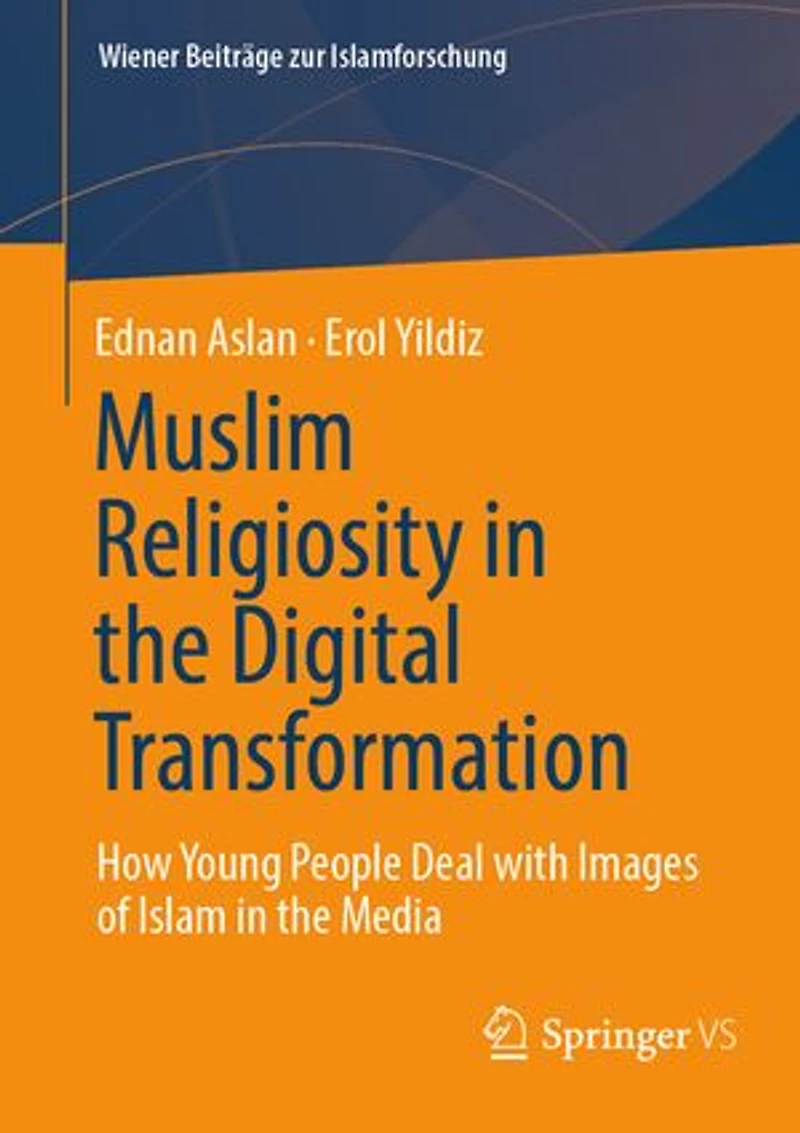
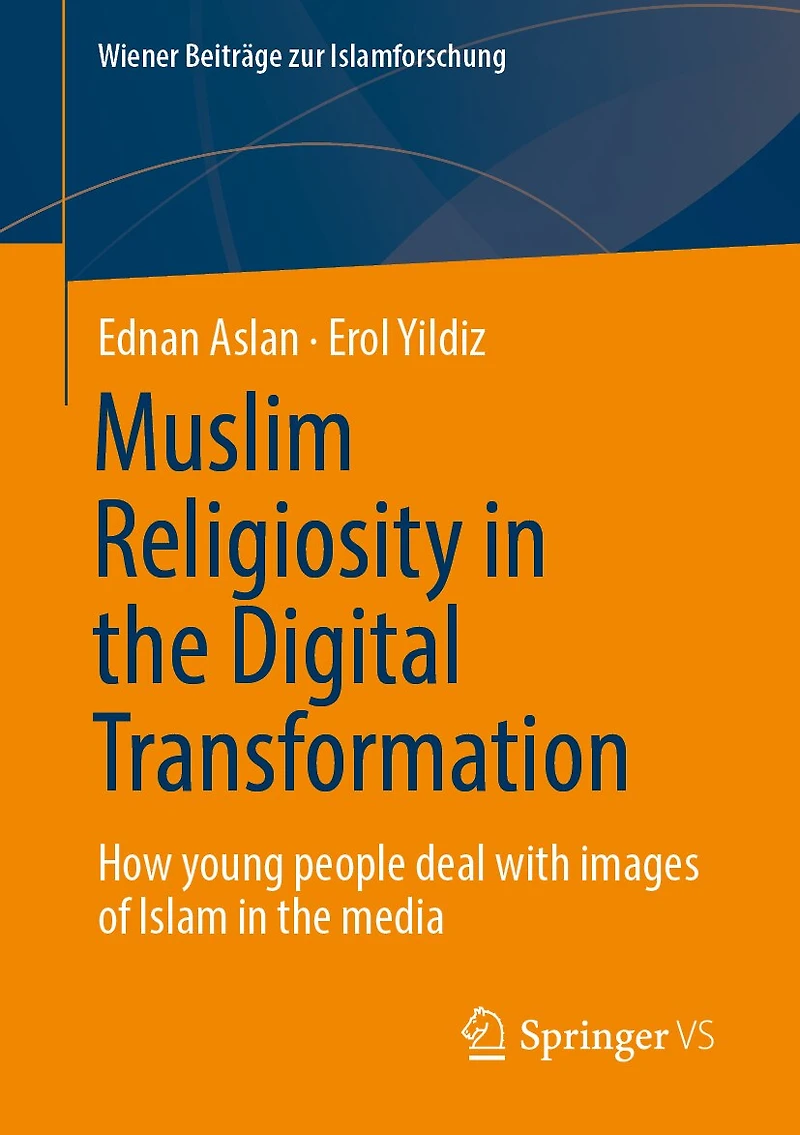
Muslim Religiosity the Digital Transformation: How young people deal with images of Islam media in Ottawa, ON
Current price: $116.09
Original price: $145.12

Muslim Religiosity the Digital Transformation: How young people deal with images of Islam media in Ottawa, ON
Current price: $116.09
Original price: $145.12
Loading Inventory...
Size: Kobo eBook
*Product information may vary - to confirm product availability, pricing, shipping and return information please contact Coles
The effects of social media can be observed particularly in relation to the religious commitment and religious practices of young people - who today are summarized under terms such as "internet generation", "media generation" or "digital natives". Online media exert a major influence on their lives, their understanding of the world, their religious orientations and actions. Their identity constructions, their cultural and religious orientations are closely intertwined with social media. This is precisely where the present study started with the question of what subjective consequences interaction on the social web has for the religious orientations, practices and self-conceptions of Muslim young people in Austria. The focus was on the connections between media use, media images of Islam and lived religiosity. On the one hand, the results show that the use of social media creates objective spaces of opportunity that can go hand in hand with an expansion of individual scope for action, whereby religious authority is increasingly being questioned. On the other hand, the study also shows that the use of digital media can also lead to a narrowing of individual religious orientations.
The effects of social media can be observed particularly in relation to the religious commitment and religious practices of young people - who today are summarized under terms such as "internet generation", "media generation" or "digital natives". Online media exert a major influence on their lives, their understanding of the world, their religious orientations and actions. Their identity constructions, their cultural and religious orientations are closely intertwined with social media. This is precisely where the present study started with the question of what subjective consequences interaction on the social web has for the religious orientations, practices and self-conceptions of Muslim young people in Austria. The focus was on the connections between media use, media images of Islam and lived religiosity. On the one hand, the results show that the use of social media creates objective spaces of opportunity that can go hand in hand with an expansion of individual scope for action, whereby religious authority is increasingly being questioned. On the other hand, the study also shows that the use of digital media can also lead to a narrowing of individual religious orientations.
You May Also Like










More About Coles at Bayshore Shopping Centre
Coles is renowned for its outstanding customer service and great selection of books. Along with the vast array of magazines, stationary, audio-books, children's literature, fiction, non-fiction and reference books, you can find accessories to make your reading experience more pleasurable. We can recommend the very best in reading today. We will help you search our titles for exactly what you need, and if we do not have it in stock, we will order it for you.
100 Bayshore Dr, Nepean, ON K2B 8C1, Canada
Find Coles at Bayshore Shopping Centre in Ottawa, ON
Visit Coles at Bayshore Shopping Centre in Ottawa, ON