

Give the Gift of Choice!
Too many options? Treat your friends and family to their favourite stores with a Bayshore Shopping Centre gift card, redeemable at participating retailers throughout the centre. Click below to purchase yours today!Purchase HereHome
Muslim Transnationalism Modern China: Debates on Hui Identity and Islamic Reform
Coles
Loading Inventory...
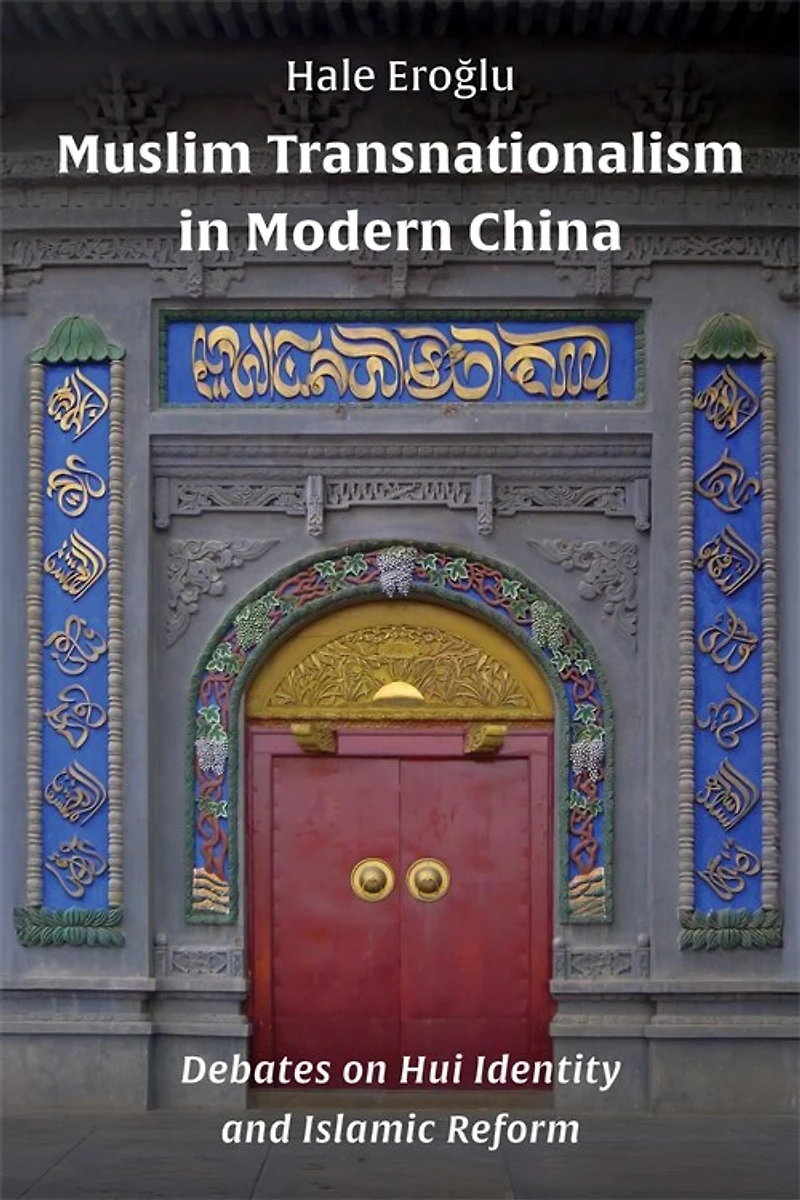
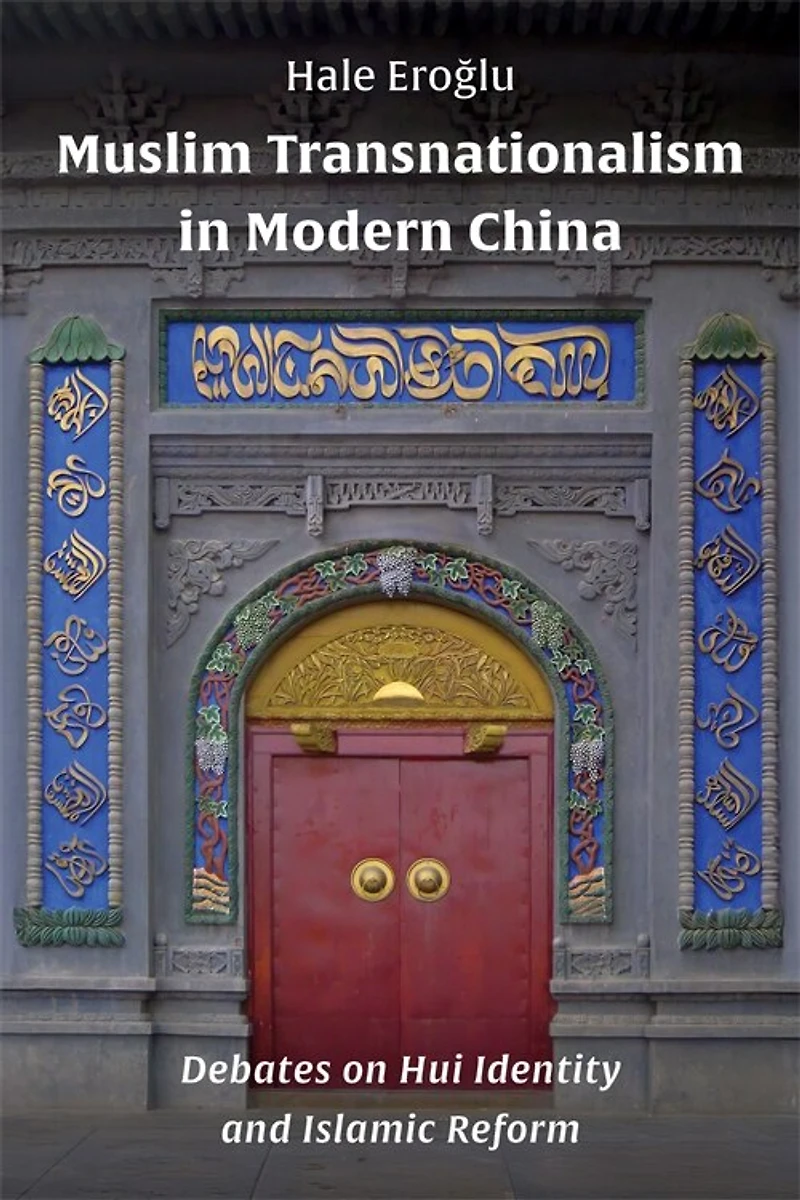
Muslim Transnationalism Modern China: Debates on Hui Identity and Islamic Reform in Ottawa, ON
Current price: $189.00

Muslim Transnationalism Modern China: Debates on Hui Identity and Islamic Reform in Ottawa, ON
Current price: $189.00
Loading Inventory...
Size: Hardcover
*Product information may vary - to confirm product availability, pricing, shipping and return information please contact Coles
In the early twentieth century, as the multiethnic Qing empire transformed into the Republican Chinese nation-state, Chinese Muslims faced new challenges, confronting competing visions of nation-building, religion, secularism, democracy, and modernity. In this book, Hale Eroğlu explores how a group of key figures navigated this complex landscape, offering a transnational intellectual history of Chinese Muslim thought.
Muslim Transnationalism in Modern China provides a portrait of underrecognized reformists who aimed to turn Muslim subjects into active Chinese citizens and revive “true” Islam in order to aid China’s development and promote peace. Eroğlu examines reformists’ engagement with local and transnational Muslim currents, spanning “orthodox,” “heterodox,” reformist, secular, and socialist movements from Egypt, Britain, India, Turkey, and the Soviet Union. She reveals their varied strategies and highlights how they adapted global ideas to address local challenges such as the policies of the Nationalist and Communist parties, the antireligion discourse of the New Culture Movement, and the anti-Islam rhetoric of Christian missionaries. Drawing from Republican and early Communist-era journals, Chinese translations of Islamic sources, and memoirs and travelogues, this book offers a nuanced understanding of Chinese-speaking Muslim intellectuals’ efforts to balance local and global influences in shaping their community’s future.
In the early twentieth century, as the multiethnic Qing empire transformed into the Republican Chinese nation-state, Chinese Muslims faced new challenges, confronting competing visions of nation-building, religion, secularism, democracy, and modernity. In this book, Hale Eroğlu explores how a group of key figures navigated this complex landscape, offering a transnational intellectual history of Chinese Muslim thought.
Muslim Transnationalism in Modern China provides a portrait of underrecognized reformists who aimed to turn Muslim subjects into active Chinese citizens and revive “true” Islam in order to aid China’s development and promote peace. Eroğlu examines reformists’ engagement with local and transnational Muslim currents, spanning “orthodox,” “heterodox,” reformist, secular, and socialist movements from Egypt, Britain, India, Turkey, and the Soviet Union. She reveals their varied strategies and highlights how they adapted global ideas to address local challenges such as the policies of the Nationalist and Communist parties, the antireligion discourse of the New Culture Movement, and the anti-Islam rhetoric of Christian missionaries. Drawing from Republican and early Communist-era journals, Chinese translations of Islamic sources, and memoirs and travelogues, this book offers a nuanced understanding of Chinese-speaking Muslim intellectuals’ efforts to balance local and global influences in shaping their community’s future.
You May Also Like







More About Coles at Bayshore Shopping Centre
Coles is renowned for its outstanding customer service and great selection of books. Along with the vast array of magazines, stationary, audio-books, children's literature, fiction, non-fiction and reference books, you can find accessories to make your reading experience more pleasurable. We can recommend the very best in reading today. We will help you search our titles for exactly what you need, and if we do not have it in stock, we will order it for you.
100 Bayshore Dr, Nepean, ON K2B 8C1, Canada
Find Coles at Bayshore Shopping Centre in Ottawa, ON
Visit Coles at Bayshore Shopping Centre in Ottawa, ON