

Give the Gift of Choice!
Too many options? Treat your friends and family to their favourite stores with a Bayshore Shopping Centre gift card, redeemable at participating retailers throughout the centre. Click below to purchase yours today!Purchase HereHome
Nanocellulose and Its Composites for Water Treatment Applications
Coles
Loading Inventory...
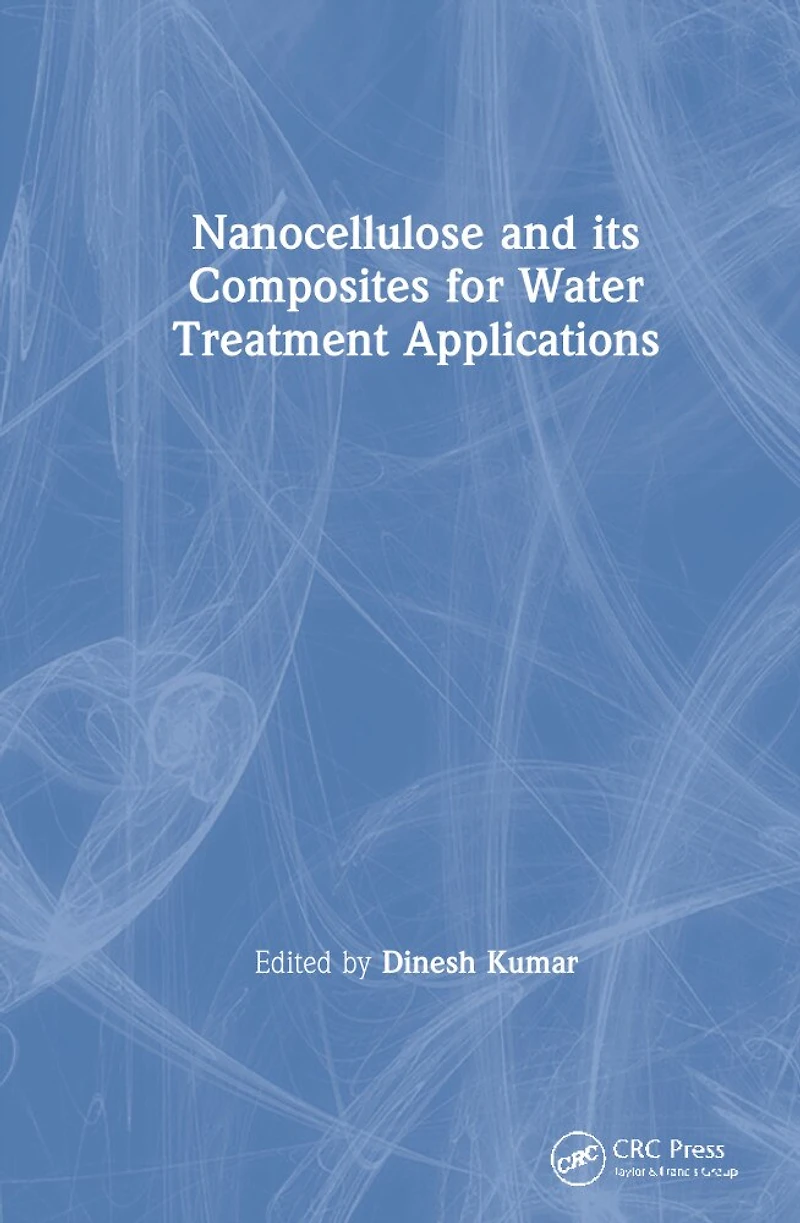
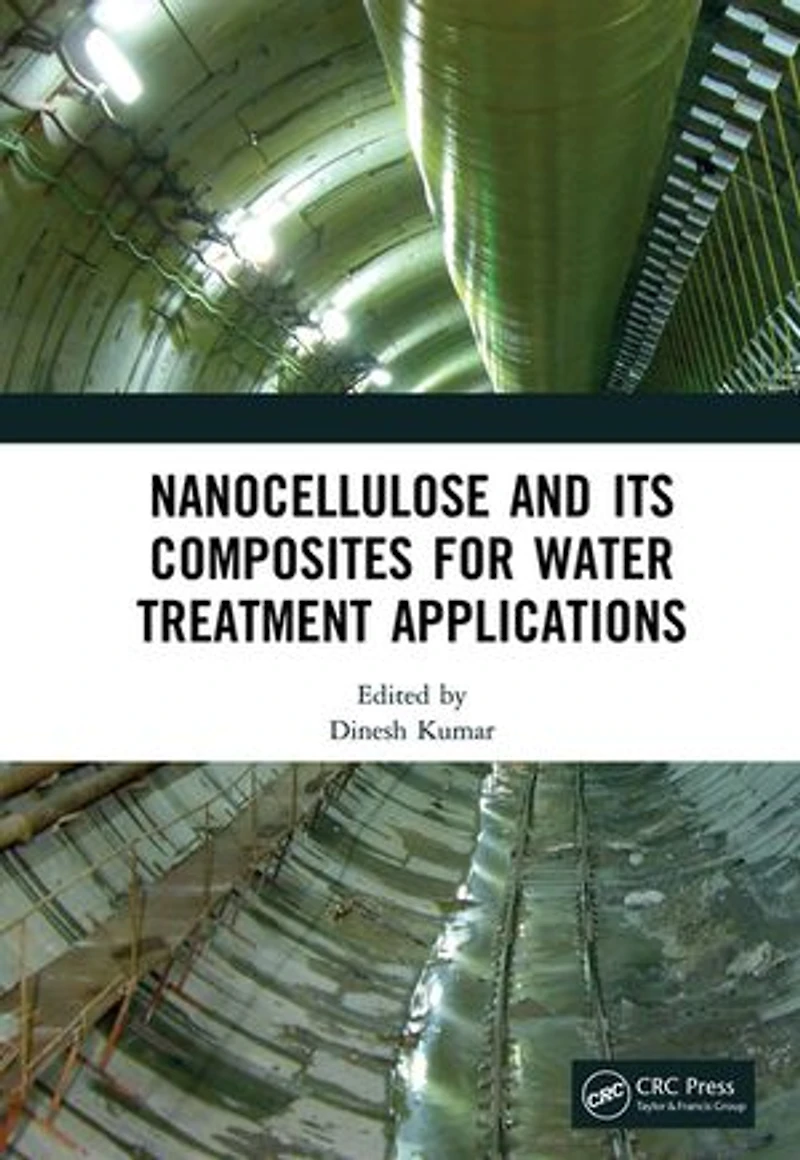
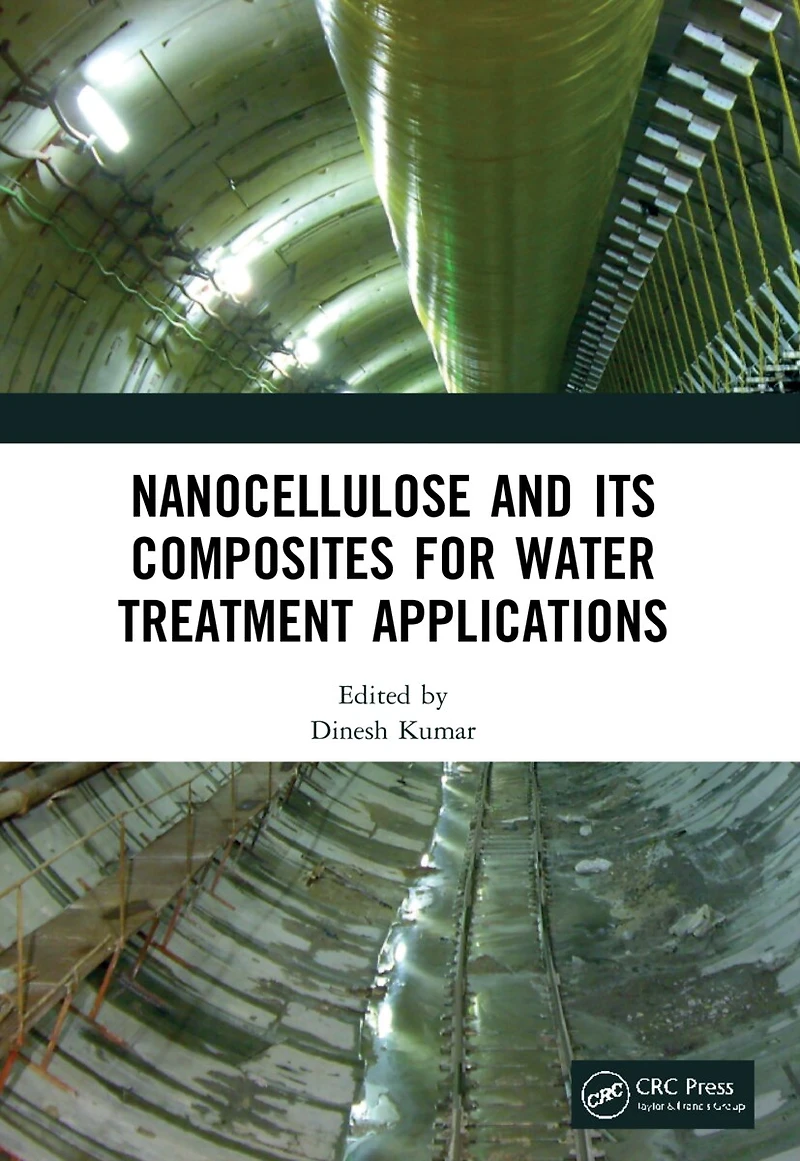
Nanocellulose and Its Composites for Water Treatment Applications in Ottawa, ON
Current price: $296.50

Nanocellulose and Its Composites for Water Treatment Applications in Ottawa, ON
Current price: $296.50
Loading Inventory...
Size: Hardcover
*Product information may vary - to confirm product availability, pricing, shipping and return information please contact Coles
Biological materials and their applications have drawn increasing attention among scientists. Cellulose is an abundant, renewable, biodegradable, economical, thermally stable, and light material, and it has found application in pharmaceuticals, coatings, food, textiles, laminates, sensors, actuators, flexible electronics, and flexible displays. Its nano form has extraordinary surface properties, such as higher surface area than cellulose; hence, nanocellulose can be used as a substitute for cellulose. Among many other sustainable, functional nanomaterials, nanocellulose is attracting growing interest in environmental remediation technologies because of its many unique properties and functionalities. Nanocellulose and Its Composites for Water Treatment Applications supplies insight into the application of nanocellulose and its nanocomposites for water purification and remediation. It covers different classes of nanocellulose-cellulose nanocrystal (CNC), microfibrillated cellulose (MFC), hairy cellulose nanocrystalloid (HCNC), and bacterial nanocellulose (BNC)-for their competency with other renewable and carbonaceous materials such as pectin, alginate, and CNTs. Future perspectives of nanocellulose and nanocomposites gleaned from different biodegradable origins are also discussed. This book delves into an updated description of the basic principles and developments in synthesis, characterization methods, properties (chemical, thermal, optical, structural, surface, and mechanical structure), property relationships, crystallization behavior, and degradability of biodegradable nanocomposites. The book also supplies vivid information about various cellulose nanomaterials and their applications in absorbing organic and inorganic toxins, membrane filtration of bacteria, viruses, and ionic impurities, photocatalytic dye removal, and sensing of water toxins. Features
Details the synthesis and characterization methods of nanocellulose
Illustrates the applications of nanocellulose and its nanocomposites
Shows in-depth accounts of the various types of properties of nanocellulose and its composites
Features emerging trends in the use of nanocellulose as adsorbents, sensors, membranes, and photocatalysis materials
This book will be useful for academics, researchers, and engineers working in water treatment and purification.
Biological materials and their applications have drawn increasing attention among scientists. Cellulose is an abundant, renewable, biodegradable, economical, thermally stable, and light material, and it has found application in pharmaceuticals, coatings, food, textiles, laminates, sensors, actuators, flexible electronics, and flexible displays. Its nano form has extraordinary surface properties, such as higher surface area than cellulose; hence, nanocellulose can be used as a substitute for cellulose. Among many other sustainable, functional nanomaterials, nanocellulose is attracting growing interest in environmental remediation technologies because of its many unique properties and functionalities. Nanocellulose and Its Composites for Water Treatment Applications supplies insight into the application of nanocellulose and its nanocomposites for water purification and remediation. It covers different classes of nanocellulose-cellulose nanocrystal (CNC), microfibrillated cellulose (MFC), hairy cellulose nanocrystalloid (HCNC), and bacterial nanocellulose (BNC)-for their competency with other renewable and carbonaceous materials such as pectin, alginate, and CNTs. Future perspectives of nanocellulose and nanocomposites gleaned from different biodegradable origins are also discussed. This book delves into an updated description of the basic principles and developments in synthesis, characterization methods, properties (chemical, thermal, optical, structural, surface, and mechanical structure), property relationships, crystallization behavior, and degradability of biodegradable nanocomposites. The book also supplies vivid information about various cellulose nanomaterials and their applications in absorbing organic and inorganic toxins, membrane filtration of bacteria, viruses, and ionic impurities, photocatalytic dye removal, and sensing of water toxins. Features
Details the synthesis and characterization methods of nanocellulose
Illustrates the applications of nanocellulose and its nanocomposites
Shows in-depth accounts of the various types of properties of nanocellulose and its composites
Features emerging trends in the use of nanocellulose as adsorbents, sensors, membranes, and photocatalysis materials
This book will be useful for academics, researchers, and engineers working in water treatment and purification.
You May Also Like








More About Coles at Bayshore Shopping Centre
Coles is renowned for its outstanding customer service and great selection of books. Along with the vast array of magazines, stationary, audio-books, children's literature, fiction, non-fiction and reference books, you can find accessories to make your reading experience more pleasurable. We can recommend the very best in reading today. We will help you search our titles for exactly what you need, and if we do not have it in stock, we will order it for you.
100 Bayshore Dr, Nepean, ON K2B 8C1, Canada
Find Coles at Bayshore Shopping Centre in Ottawa, ON
Visit Coles at Bayshore Shopping Centre in Ottawa, ON