

Give the Gift of Choice!
Too many options? Treat your friends and family to their favourite stores with a Bayshore Shopping Centre gift card, redeemable at participating retailers throughout the centre. Click below to purchase yours today!Purchase HereHome
Nature's Civil War: Common Soldiers and the Environment 1862 Virginia
Coles
Loading Inventory...
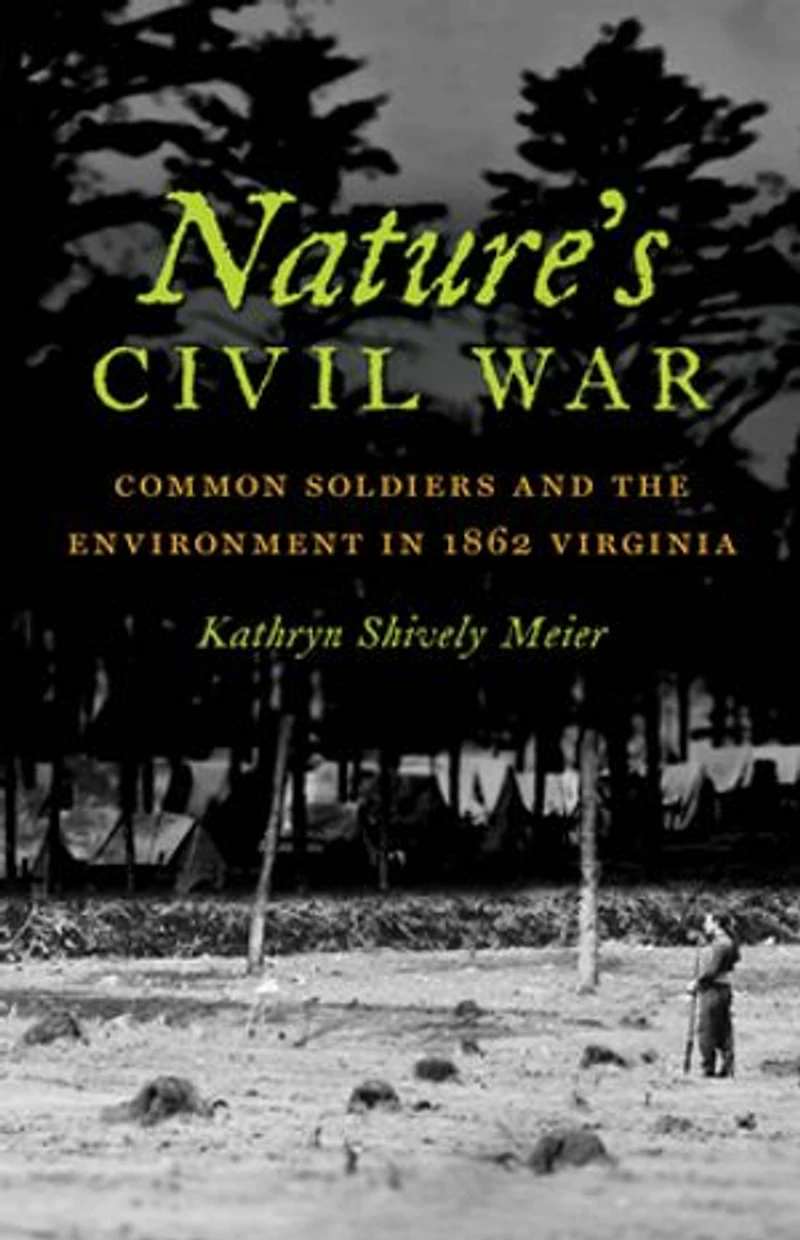
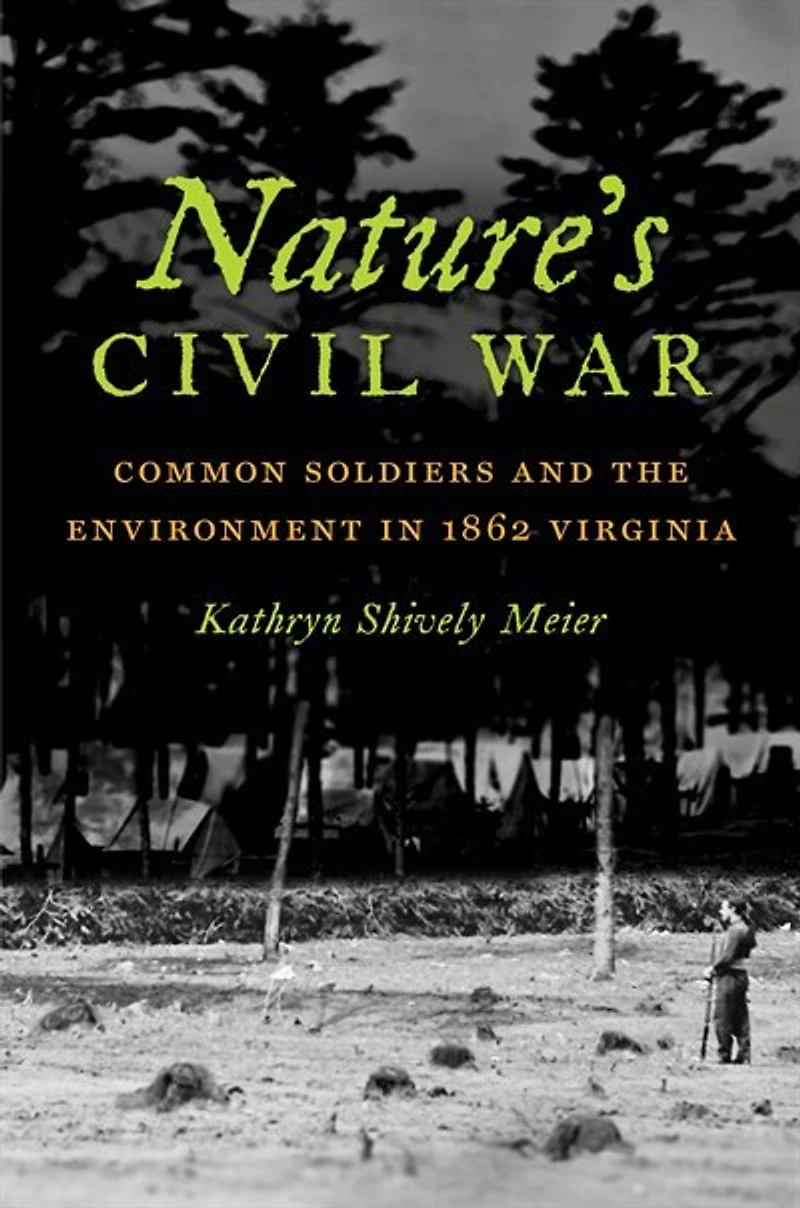
Nature's Civil War: Common Soldiers and the Environment 1862 Virginia in Ottawa, ON
Current price: $23.19
Original price: $28.99

Nature's Civil War: Common Soldiers and the Environment 1862 Virginia in Ottawa, ON
Current price: $23.19
Original price: $28.99
Loading Inventory...
Size: Kobo eBook
*Product information may vary - to confirm product availability, pricing, shipping and return information please contact Coles
In the Shenandoah Valley and Peninsula Campaigns of 1862, Union and Confederate soldiers faced unfamiliar and harsh environmental conditions — strange terrain, tainted water, swarms of flies and mosquitoes, interminable rain and snow storms, and oppressive heat — which contributed to escalating disease and diminished morale. Using soldiers' letters, diaries, and memoirs, plus a wealth of additional personal accounts, medical sources, newspapers, and government documents, Kathryn Shively Meier reveals how these soldiers strove to maintain their physical and mental health by combating their deadliest enemy — nature.
Meier explores how soldiers forged informal networks of health care based on prewar civilian experience and adopted a universal set of self-care habits, including boiling water, altering camp terrain, eradicating insects, supplementing their diets with fruits and vegetables, constructing protective shelters, and most controversially, straggling. In order to improve their health, soldiers periodically had to adjust their ideas of manliness, class values, and race to the circumstances at hand. While self-care often proved superior to relying upon the inchoate military medical infrastructure, commanders chastised soldiers for testing army discipline, ultimately redrawing the boundaries of informal health care.
In the Shenandoah Valley and Peninsula Campaigns of 1862, Union and Confederate soldiers faced unfamiliar and harsh environmental conditions — strange terrain, tainted water, swarms of flies and mosquitoes, interminable rain and snow storms, and oppressive heat — which contributed to escalating disease and diminished morale. Using soldiers' letters, diaries, and memoirs, plus a wealth of additional personal accounts, medical sources, newspapers, and government documents, Kathryn Shively Meier reveals how these soldiers strove to maintain their physical and mental health by combating their deadliest enemy — nature.
Meier explores how soldiers forged informal networks of health care based on prewar civilian experience and adopted a universal set of self-care habits, including boiling water, altering camp terrain, eradicating insects, supplementing their diets with fruits and vegetables, constructing protective shelters, and most controversially, straggling. In order to improve their health, soldiers periodically had to adjust their ideas of manliness, class values, and race to the circumstances at hand. While self-care often proved superior to relying upon the inchoate military medical infrastructure, commanders chastised soldiers for testing army discipline, ultimately redrawing the boundaries of informal health care.
You May Also Like
















More About Coles at Bayshore Shopping Centre
Coles is renowned for its outstanding customer service and great selection of books. Along with the vast array of magazines, stationary, audio-books, children's literature, fiction, non-fiction and reference books, you can find accessories to make your reading experience more pleasurable. We can recommend the very best in reading today. We will help you search our titles for exactly what you need, and if we do not have it in stock, we will order it for you.
100 Bayshore Dr, Nepean, ON K2B 8C1, Canada
Find Coles at Bayshore Shopping Centre in Ottawa, ON
Visit Coles at Bayshore Shopping Centre in Ottawa, ON