

Give the Gift of Choice!
Too many options? Treat your friends and family to their favourite stores with a Bayshore Shopping Centre gift card, redeemable at participating retailers throughout the centre. Click below to purchase yours today!Purchase HereHome
Navigating AAC: 50 Essential Strategies and Resources for Using Augmentative Alternative Communication
Coles
Loading Inventory...
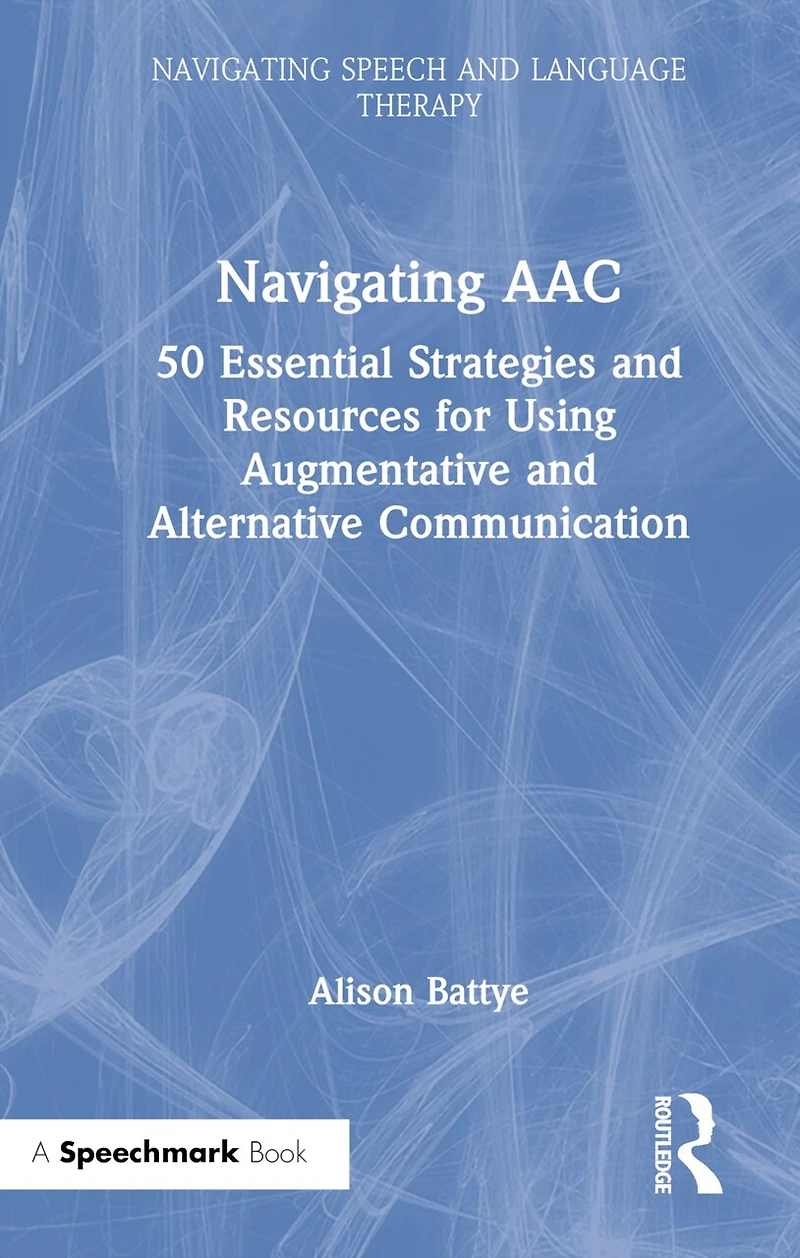
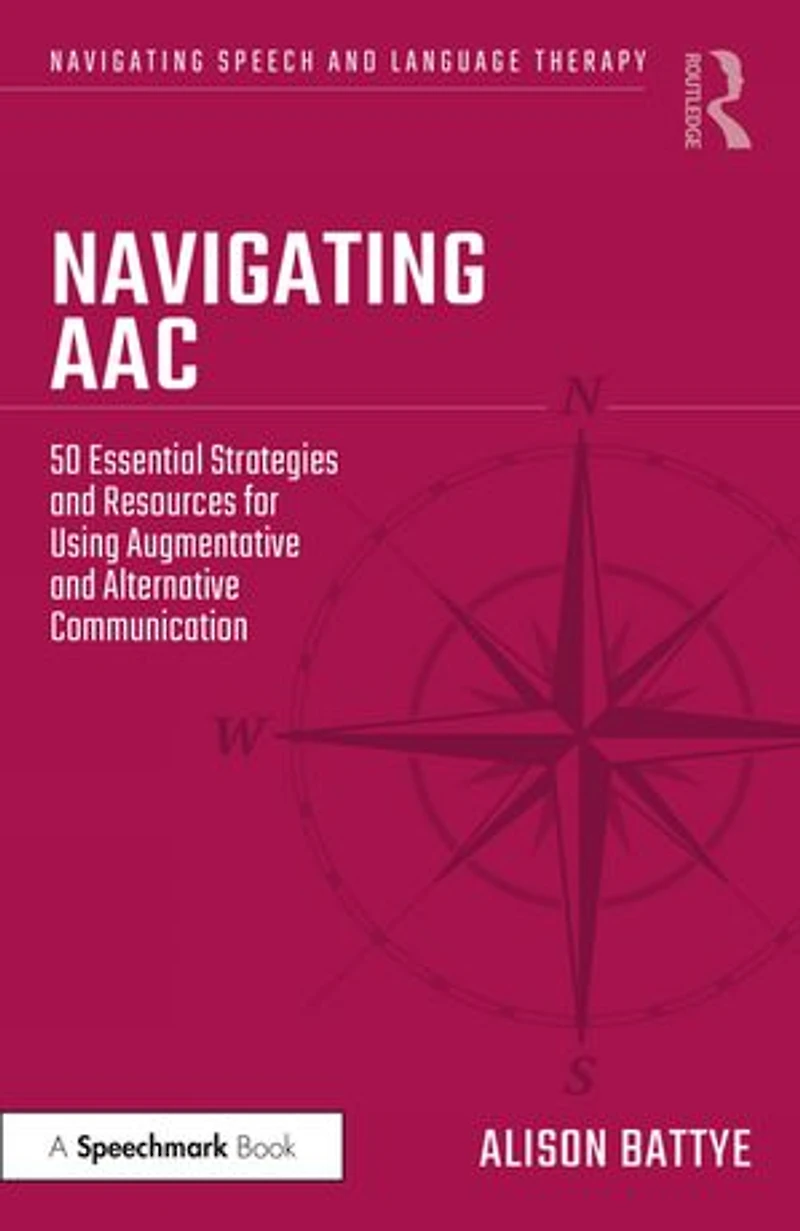
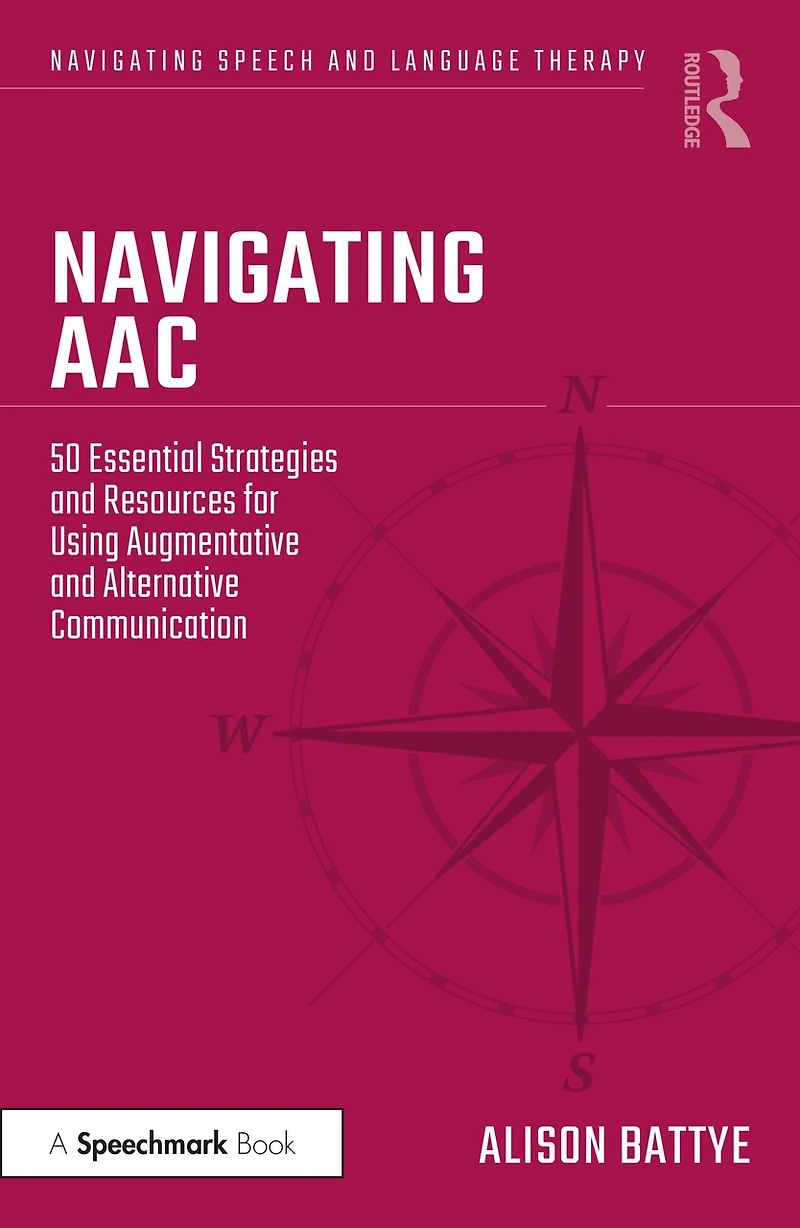
Navigating AAC: 50 Essential Strategies and Resources for Using Augmentative Alternative Communication in Ottawa, ON
Current price: $296.50

Navigating AAC: 50 Essential Strategies and Resources for Using Augmentative Alternative Communication in Ottawa, ON
Current price: $296.50
Loading Inventory...
Size: Hardcover
*Product information may vary - to confirm product availability, pricing, shipping and return information please contact Coles
Speech and Language Therapists are assumed to have a knowledge of AAC (Augmentative and Alternative Communication). The reality is that, unless they have had a student clinical placement in this field, they will qualify with very little experience in this area. This book is an approachable guide to AAC and covers the various types, including paper-based and voice-output communication aids. There is guidance on how to assess a person who might need AAC, and how to work collaboratively with those who support the person on a daily basis. The author discusses the importance of core vocabulary alongside a personalised vocabulary. There are pointers for referring to specialised services, signposting families to alternative sources of funding, and making a business case for buying AAC equipment. Written by an expert in the field, this book provides tips and strategies for SLTs who are brand new to AAC, as well as experienced clinicians wanting to gain further confidence in working with this varied client group.
Speech and Language Therapists are assumed to have a knowledge of AAC (Augmentative and Alternative Communication). The reality is that, unless they have had a student clinical placement in this field, they will qualify with very little experience in this area. This book is an approachable guide to AAC and covers the various types, including paper-based and voice-output communication aids. There is guidance on how to assess a person who might need AAC, and how to work collaboratively with those who support the person on a daily basis. The author discusses the importance of core vocabulary alongside a personalised vocabulary. There are pointers for referring to specialised services, signposting families to alternative sources of funding, and making a business case for buying AAC equipment. Written by an expert in the field, this book provides tips and strategies for SLTs who are brand new to AAC, as well as experienced clinicians wanting to gain further confidence in working with this varied client group.
You May Also Like










More About Coles at Bayshore Shopping Centre
Coles is renowned for its outstanding customer service and great selection of books. Along with the vast array of magazines, stationary, audio-books, children's literature, fiction, non-fiction and reference books, you can find accessories to make your reading experience more pleasurable. We can recommend the very best in reading today. We will help you search our titles for exactly what you need, and if we do not have it in stock, we will order it for you.
100 Bayshore Dr, Nepean, ON K2B 8C1, Canada
Find Coles at Bayshore Shopping Centre in Ottawa, ON
Visit Coles at Bayshore Shopping Centre in Ottawa, ON