

Give the Gift of Choice!
Too many options? Treat your friends and family to their favourite stores with a Bayshore Shopping Centre gift card, redeemable at participating retailers throughout the centre. Click below to purchase yours today!Purchase HereHome
NBER Macroeconomics Annual, 2023: Volume 38
Coles
Loading Inventory...
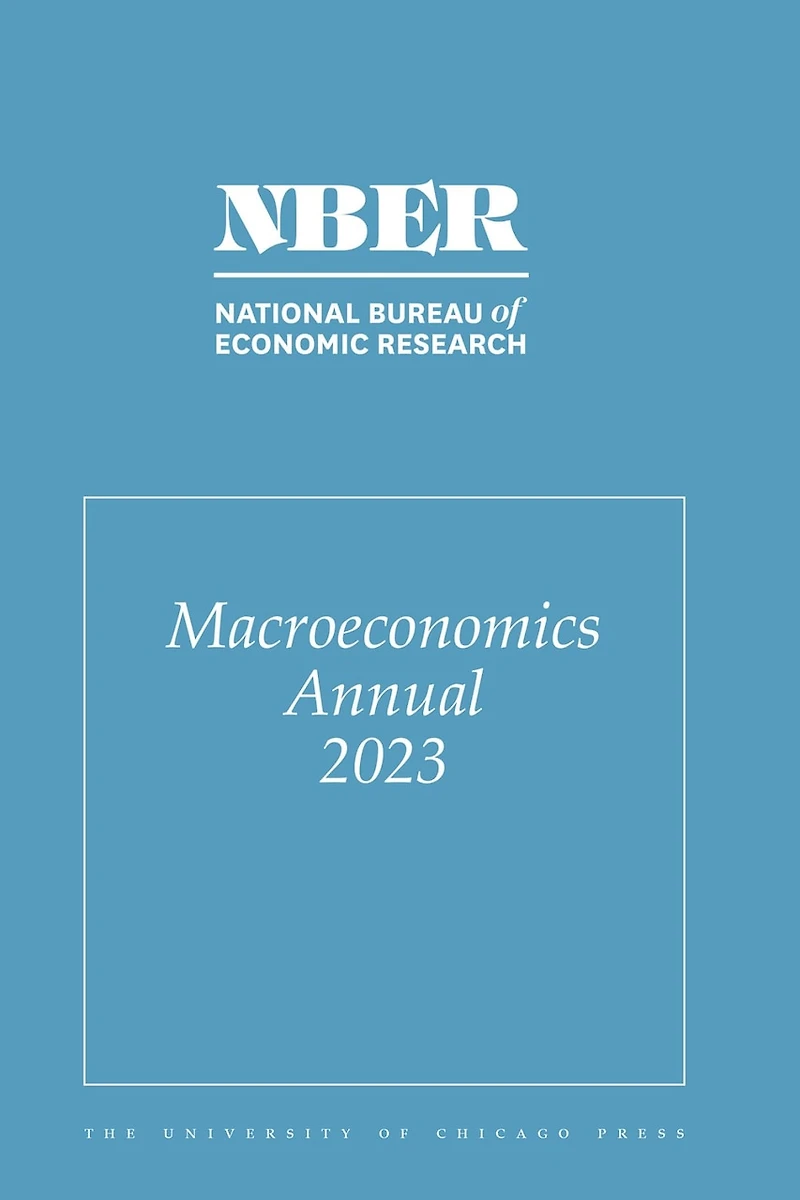
NBER Macroeconomics Annual, 2023: Volume 38 in Ottawa, ON
Current price: $117.00

NBER Macroeconomics Annual, 2023: Volume 38 in Ottawa, ON
Current price: $117.00
Loading Inventory...
Size: Paperback
*Product information may vary - to confirm product availability, pricing, shipping and return information please contact Coles
Provides a forum for leading economists to participate in important debates in macroeconomics and to report on major developments in macroeconomic analysis and policy.
The NBER Macroeconomics Annual features research by leading scholars on important issues in contemporary macroeconomics. David Berger, Kyle Herkenhoff, Andreas Kostol, and Simon Mongey consider the importance of market power in the labor market and develop a theory of monopsony that incorporates worker-firm-specific preference heterogeneity, search frictions, and firm granularity. They apply this theory to analyze the effects of monopsony on wages, job flows, and welfare. Mary Amiti, Sebastian Heise, Fatih Karahan, and Ayşegül Şahin examine how supply chain disruptions and labor supply constraints contributed to the recent rise of inflation, recognizing their interactions with the shift of consumption from services to goods and expansionary monetary policy. Daron Acemoglu, David Autor, and Christina Patterson explore the hypothesis that slow productivity growth stems from an unbalanced sectoral distribution of innovation—because innovation depends on complementary innovations among input suppliers, there can be rapid technological progress in a subset of inputs but slow productivity growth in the aggregate. Greg Buchak, Gregor Matvos, Tomasz Piskorski, and Amit Seru investigate two important margins of adjustment in credit markets—banks’ ability to sell loans and shadow bank activity—and argue that accounting for them is critical for analyzing how lending responds to economic or policy shocks and the way such shocks are amplified through financial intermediaries. Finally, Pedro Bordalo, Nicola Gennaioli, Rafael La Porta, Matthew O’Brien, and Andrei Shleifer demonstrate that overreaction of long-term profit expectations to reported profits could help reconcile Robert Shiller’s “excess volatility” puzzle with economic fluctuations more generally.
Provides a forum for leading economists to participate in important debates in macroeconomics and to report on major developments in macroeconomic analysis and policy.
The NBER Macroeconomics Annual features research by leading scholars on important issues in contemporary macroeconomics. David Berger, Kyle Herkenhoff, Andreas Kostol, and Simon Mongey consider the importance of market power in the labor market and develop a theory of monopsony that incorporates worker-firm-specific preference heterogeneity, search frictions, and firm granularity. They apply this theory to analyze the effects of monopsony on wages, job flows, and welfare. Mary Amiti, Sebastian Heise, Fatih Karahan, and Ayşegül Şahin examine how supply chain disruptions and labor supply constraints contributed to the recent rise of inflation, recognizing their interactions with the shift of consumption from services to goods and expansionary monetary policy. Daron Acemoglu, David Autor, and Christina Patterson explore the hypothesis that slow productivity growth stems from an unbalanced sectoral distribution of innovation—because innovation depends on complementary innovations among input suppliers, there can be rapid technological progress in a subset of inputs but slow productivity growth in the aggregate. Greg Buchak, Gregor Matvos, Tomasz Piskorski, and Amit Seru investigate two important margins of adjustment in credit markets—banks’ ability to sell loans and shadow bank activity—and argue that accounting for them is critical for analyzing how lending responds to economic or policy shocks and the way such shocks are amplified through financial intermediaries. Finally, Pedro Bordalo, Nicola Gennaioli, Rafael La Porta, Matthew O’Brien, and Andrei Shleifer demonstrate that overreaction of long-term profit expectations to reported profits could help reconcile Robert Shiller’s “excess volatility” puzzle with economic fluctuations more generally.
You May Also Like

















More About Coles at Bayshore Shopping Centre
Coles is renowned for its outstanding customer service and great selection of books. Along with the vast array of magazines, stationary, audio-books, children's literature, fiction, non-fiction and reference books, you can find accessories to make your reading experience more pleasurable. We can recommend the very best in reading today. We will help you search our titles for exactly what you need, and if we do not have it in stock, we will order it for you.
100 Bayshore Dr, Nepean, ON K2B 8C1, Canada
Find Coles at Bayshore Shopping Centre in Ottawa, ON
Visit Coles at Bayshore Shopping Centre in Ottawa, ON