

Give the Gift of Choice!
Too many options? Treat your friends and family to their favourite stores with a Bayshore Shopping Centre gift card, redeemable at participating retailers throughout the centre. Click below to purchase yours today!Purchase HereHome
Negative, Nonsensical, and Non-Conformist: The Films of Suzuki Seijun
Coles
Loading Inventory...
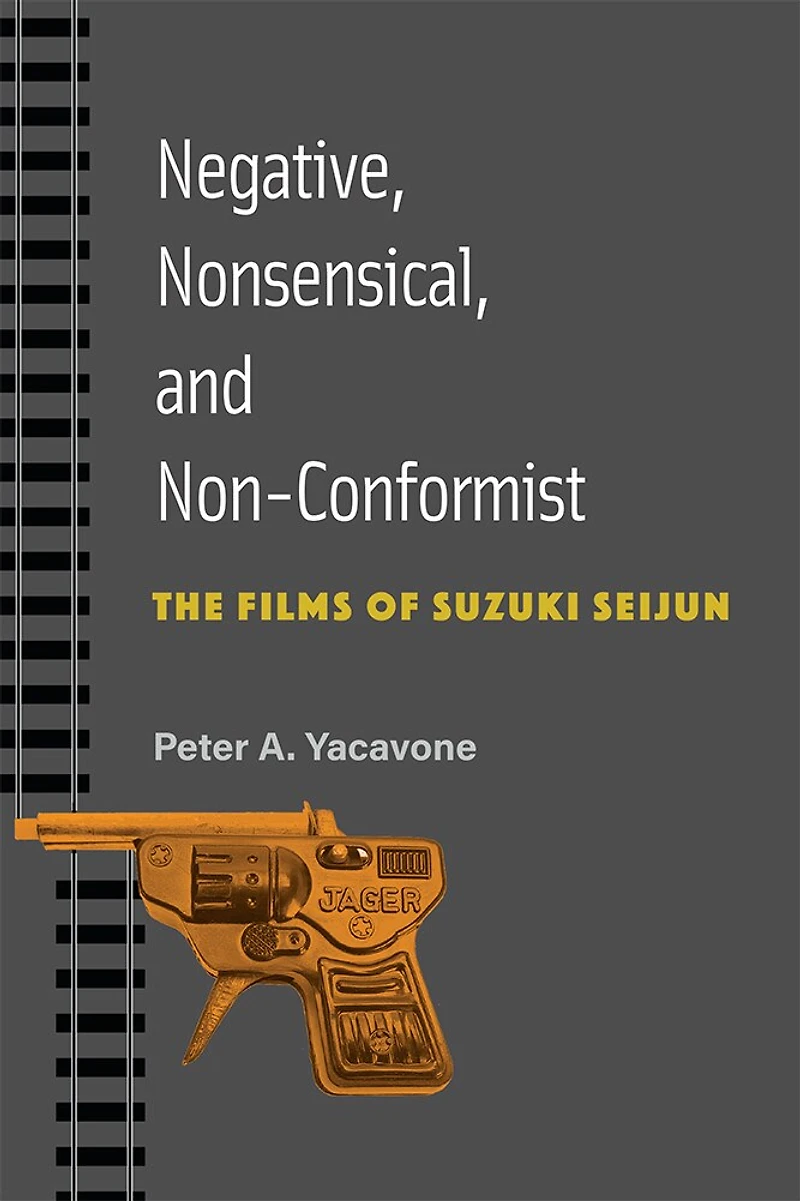
Negative, Nonsensical, and Non-Conformist: The Films of Suzuki Seijun in Ottawa, ON
Current price: $117.00

Negative, Nonsensical, and Non-Conformist: The Films of Suzuki Seijun in Ottawa, ON
Current price: $117.00
Loading Inventory...
Size: Hardcover
*Product information may vary - to confirm product availability, pricing, shipping and return information please contact Coles
In the late 1950s, Suzuki Seijun was an unknown, anxious low-ranking film director churning out so-called program pictures for Japan’s most successful movie studio, Nikkatsu. In the early 1960s, he met with modest success in directing popular movies about yakuza gangsters and mild exploitation films featuring prostitutes and teenage rebels. In this book, Peter A. Yacavone argues that Suzuki became an unlikely cinematic rebel and, with hindsight, one of the most important voices in the global cinema of the 1960s. Working from within the studio system, Suzuki almost single-handedly rejected the restrictive filmmaking norms of the postwar period and expanded the form and language of popular cinema. This artistic rebellion proved costly when Suzuki was fired in 1967 and virtually blacklisted by the studios, but Suzuki returned triumphantly to the scene of world cinema in the 1980s and 1990s with a series of critically celebrated, avant-garde tales of the supernatural and the uncanny. This book provides a well-informed, philosophically oriented analysis of Suzuki’s 49 feature films.
In the late 1950s, Suzuki Seijun was an unknown, anxious low-ranking film director churning out so-called program pictures for Japan’s most successful movie studio, Nikkatsu. In the early 1960s, he met with modest success in directing popular movies about yakuza gangsters and mild exploitation films featuring prostitutes and teenage rebels. In this book, Peter A. Yacavone argues that Suzuki became an unlikely cinematic rebel and, with hindsight, one of the most important voices in the global cinema of the 1960s. Working from within the studio system, Suzuki almost single-handedly rejected the restrictive filmmaking norms of the postwar period and expanded the form and language of popular cinema. This artistic rebellion proved costly when Suzuki was fired in 1967 and virtually blacklisted by the studios, but Suzuki returned triumphantly to the scene of world cinema in the 1980s and 1990s with a series of critically celebrated, avant-garde tales of the supernatural and the uncanny. This book provides a well-informed, philosophically oriented analysis of Suzuki’s 49 feature films.
You May Also Like













More About Coles at Bayshore Shopping Centre
Coles is renowned for its outstanding customer service and great selection of books. Along with the vast array of magazines, stationary, audio-books, children's literature, fiction, non-fiction and reference books, you can find accessories to make your reading experience more pleasurable. We can recommend the very best in reading today. We will help you search our titles for exactly what you need, and if we do not have it in stock, we will order it for you.
100 Bayshore Dr, Nepean, ON K2B 8C1, Canada
Find Coles at Bayshore Shopping Centre in Ottawa, ON
Visit Coles at Bayshore Shopping Centre in Ottawa, ON