

Give the Gift of Choice!
Too many options? Treat your friends and family to their favourite stores with a Bayshore Shopping Centre gift card, redeemable at participating retailers throughout the centre. Click below to purchase yours today!Purchase HereHome
Neurolaw and Responsibility for Action: Concepts, Crimes, Courts
Coles
Loading Inventory...
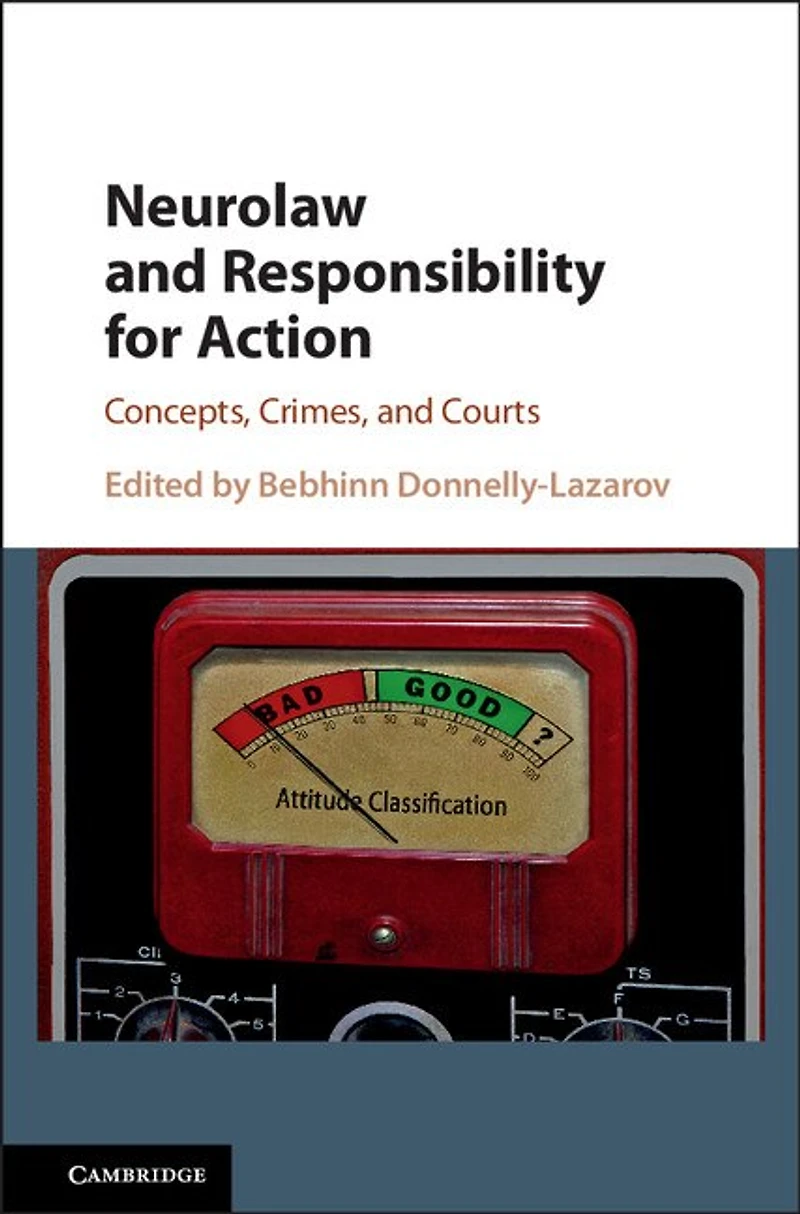
Neurolaw and Responsibility for Action: Concepts, Crimes, Courts in Ottawa, ON
Current price: $157.95

Neurolaw and Responsibility for Action: Concepts, Crimes, Courts in Ottawa, ON
Current price: $157.95
Loading Inventory...
Size: Hardcover
*Product information may vary - to confirm product availability, pricing, shipping and return information please contact Coles
Law regulates human behaviour, a phenomenon about which neuroscience has much to say. Neuroscience can tell us whether a defendant suffers from a brain abnormality, or injury and it can correlate these neural deficits with criminal offending. Using fMRI and other technologies it might indicate whether a witness is telling lies or the truth. It can further propose neuro-interventions to 'change' the brains of offenders and so to reduce their propensity to offend. And, it can make suggestions about whether a defendant knows or merely suspects a prohibited state of affairs; so, drawing distinctions among the mental states that are central to legal responsibility. Each of these matters has philosophical import; is a neurological 'deficit' inculpatory or exculpatory; what is the proper role for law if the mind is no more than the brain; is lying really a brain state and can neuroscience really 'read' the brain? In this edited collection, leading contributors to the field provide new insights on these matters, bringing to light the great challenges that arise when disciplinary boundaries merge.
Law regulates human behaviour, a phenomenon about which neuroscience has much to say. Neuroscience can tell us whether a defendant suffers from a brain abnormality, or injury and it can correlate these neural deficits with criminal offending. Using fMRI and other technologies it might indicate whether a witness is telling lies or the truth. It can further propose neuro-interventions to 'change' the brains of offenders and so to reduce their propensity to offend. And, it can make suggestions about whether a defendant knows or merely suspects a prohibited state of affairs; so, drawing distinctions among the mental states that are central to legal responsibility. Each of these matters has philosophical import; is a neurological 'deficit' inculpatory or exculpatory; what is the proper role for law if the mind is no more than the brain; is lying really a brain state and can neuroscience really 'read' the brain? In this edited collection, leading contributors to the field provide new insights on these matters, bringing to light the great challenges that arise when disciplinary boundaries merge.
You May Also Like















More About Coles at Bayshore Shopping Centre
Coles is renowned for its outstanding customer service and great selection of books. Along with the vast array of magazines, stationary, audio-books, children's literature, fiction, non-fiction and reference books, you can find accessories to make your reading experience more pleasurable. We can recommend the very best in reading today. We will help you search our titles for exactly what you need, and if we do not have it in stock, we will order it for you.
100 Bayshore Dr, Nepean, ON K2B 8C1, Canada
Find Coles at Bayshore Shopping Centre in Ottawa, ON
Visit Coles at Bayshore Shopping Centre in Ottawa, ON