

Give the Gift of Choice!
Too many options? Treat your friends and family to their favourite stores with a Bayshore Shopping Centre gift card, redeemable at participating retailers throughout the centre. Click below to purchase yours today!Purchase HereHome
New Rome: the Empire East
Coles
Loading Inventory...
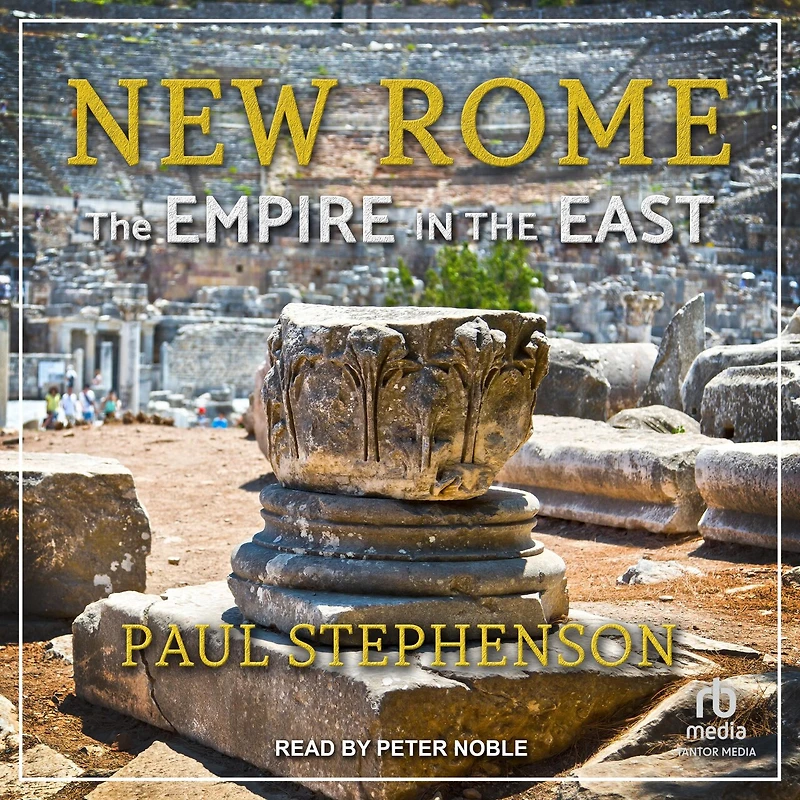
New Rome: the Empire East in Ottawa, ON
Current price: $77.95

New Rome: the Empire East in Ottawa, ON
Current price: $77.95
Loading Inventory...
Size: Audiobook (2023 A)
*Product information may vary - to confirm product availability, pricing, shipping and return information please contact Coles
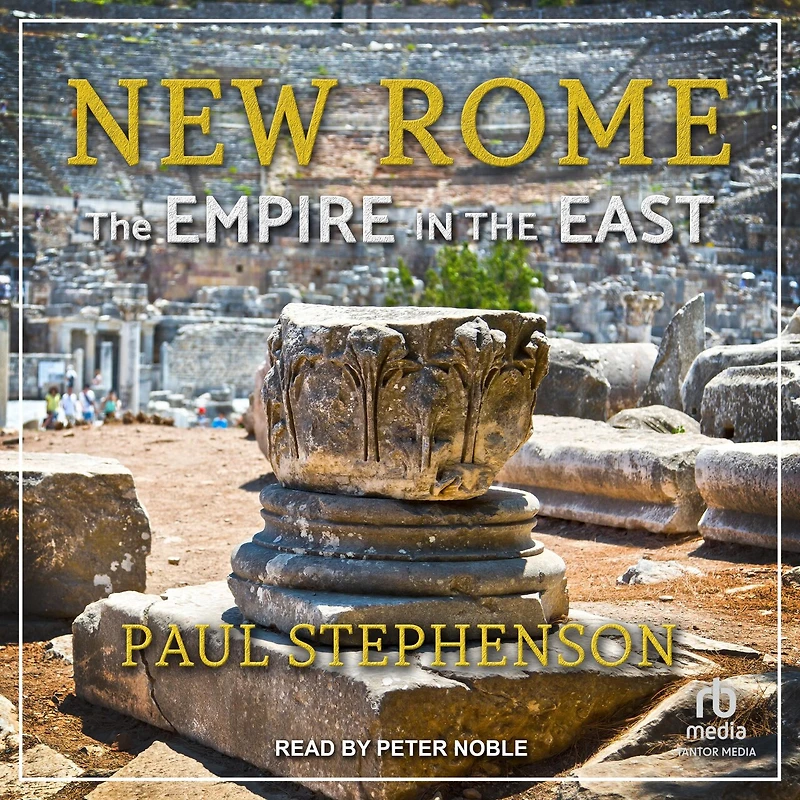
As modern empires rise and fall, ancient Rome becomes ever more significant. We yearn for Rome's power but fear Rome's ruin—will we turn out like the Romans, we wonder, or can we escape their fate? That question has obsessed centuries of historians and leaders, who have explored diverse political, religious, and economic forces to explain Roman decline. In New Rome , Paul Stephenson looks beyond traditional texts and well-known artifacts to offer a novel, scientifically minded interpretation of antiquity's end. It turns out that the descent of Rome is inscribed not only in parchments but also in ice cores and DNA. During its final five centuries, the empire in the east survived devastation by natural disasters, the degradation of the human environment, and pathogens previously unknown to the empire's densely populated, unsanitary cities. However, Greco-Roman civilization, a world of interconnected cities that had shared a common material culture for a millennium, did not. Politics, war, and religious strife drove the transformation of Eastern Rome, but they do not tell the whole story. Braiding the political history of the empire together with its urban, material, environmental, and epidemiological history, New Rome offers the most comprehensive explanation to date of the Eastern Empire's transformation into Byzantium.
As modern empires rise and fall, ancient Rome becomes ever more significant. We yearn for Rome's power but fear Rome's ruin—will we turn out like the Romans, we wonder, or can we escape their fate? That question has obsessed centuries of historians and leaders, who have explored diverse political, religious, and economic forces to explain Roman decline. In New Rome , Paul Stephenson looks beyond traditional texts and well-known artifacts to offer a novel, scientifically minded interpretation of antiquity's end. It turns out that the descent of Rome is inscribed not only in parchments but also in ice cores and DNA. During its final five centuries, the empire in the east survived devastation by natural disasters, the degradation of the human environment, and pathogens previously unknown to the empire's densely populated, unsanitary cities. However, Greco-Roman civilization, a world of interconnected cities that had shared a common material culture for a millennium, did not. Politics, war, and religious strife drove the transformation of Eastern Rome, but they do not tell the whole story. Braiding the political history of the empire together with its urban, material, environmental, and epidemiological history, New Rome offers the most comprehensive explanation to date of the Eastern Empire's transformation into Byzantium.
You May Also Like







More About Coles at Bayshore Shopping Centre
Coles is renowned for its outstanding customer service and great selection of books. Along with the vast array of magazines, stationary, audio-books, children's literature, fiction, non-fiction and reference books, you can find accessories to make your reading experience more pleasurable. We can recommend the very best in reading today. We will help you search our titles for exactly what you need, and if we do not have it in stock, we will order it for you.
100 Bayshore Dr, Nepean, ON K2B 8C1, Canada
Find Coles at Bayshore Shopping Centre in Ottawa, ON
Visit Coles at Bayshore Shopping Centre in Ottawa, ON