

Give the Gift of Choice!
Too many options? Treat your friends and family to their favourite stores with a Bayshore Shopping Centre gift card, redeemable at participating retailers throughout the centre. Click below to purchase yours today!Purchase HereHome
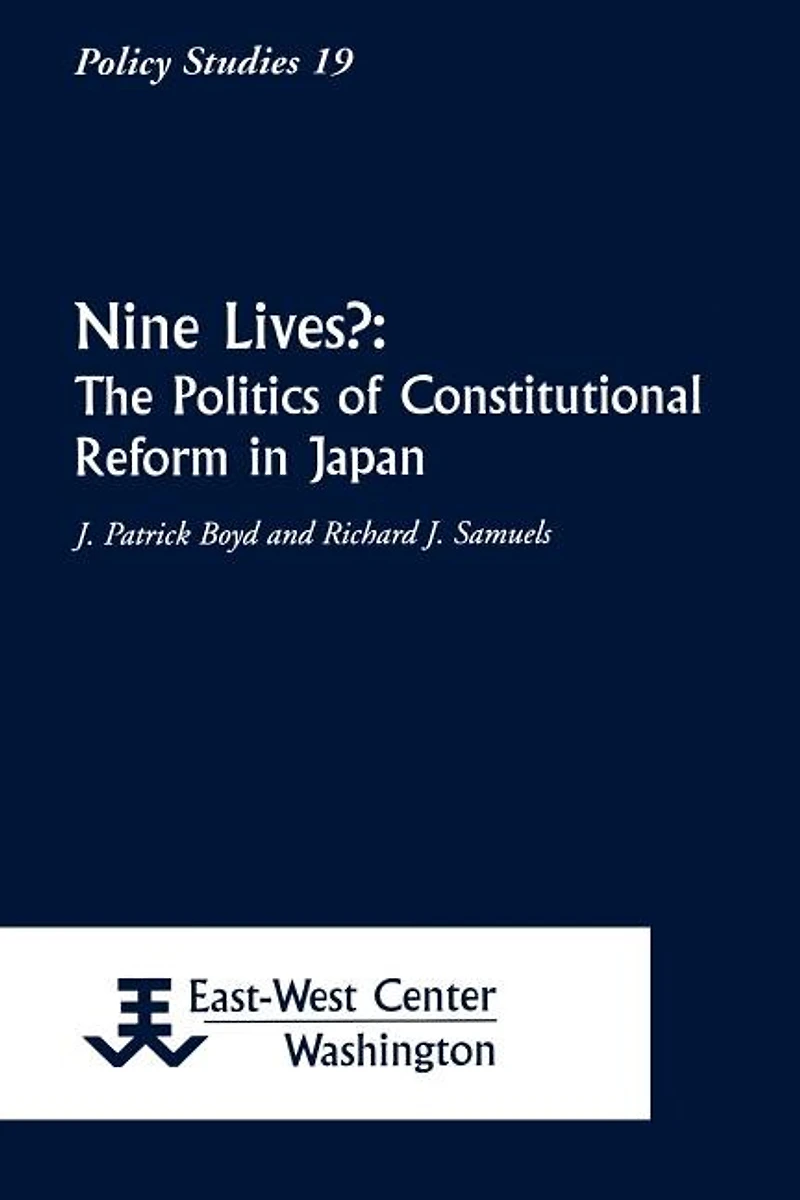
Nine Lives?: The Politics of Constitutional Reform in Japan
Coles
Loading Inventory...
Nine Lives?: The Politics of Constitutional Reform in Japan in Ottawa, ON
Current price: $13.00

Nine Lives?: The Politics of Constitutional Reform in Japan in Ottawa, ON
Current price: $13.00
Loading Inventory...
Size: Paperback
*Product information may vary - to confirm product availability, pricing, shipping and return information please contact Coles
Japan is a vibrant democracy, but its citizens have neither been given-nor have they taken-responsibility for authoring their own constitution. In 1889 the Emperor Meiji, supported by a group of oligarchs, bestowed an autocratic constitution upon his subjects. Then, in 1947, the U.S. occupation forces imposed a democratic constitution on the defeated citizens of postwar Japan. While this document has been the persistent object of intense debate, it has never been amended. But public opinion has shifted in favor of revision. Both the ruling Liberal Democratic Party (LDP) and the main opposition party, the Democratic Party of Japan (DPJ), are preparing constitutional drafts, and Japan is in the midst of one of the most consequential tests of its democratic institutions. Although the contemporary revision debate encompasses a number of weighty issues, including the role of the emperor and basic rights of citizens, one passage in particular continues to cast a shadow over the entire enterprise: Article Nine, the famous "peace clause" renouncing the possession and use of force for settling international disputes. Long the primary target of revisionist fervor, Article Nine was at the center of the first serious revision debate in the 1950s and controversies arising from its application again helped to ignite the contemporary revision movement after the Gulf War in 1991. Seen variously as an impediment to national autonomy, national muscularity, and national honesty, Article Nine has been continuously reinterpreted as the domestic and international political landscapes have shifted. This study examines why Article Nine has survived without amendment for so long, why it has returned to the political agenda with such force in recent years, and how debate over its revision will affect Japanese domestic politics and foreign policy.
Japan is a vibrant democracy, but its citizens have neither been given-nor have they taken-responsibility for authoring their own constitution. In 1889 the Emperor Meiji, supported by a group of oligarchs, bestowed an autocratic constitution upon his subjects. Then, in 1947, the U.S. occupation forces imposed a democratic constitution on the defeated citizens of postwar Japan. While this document has been the persistent object of intense debate, it has never been amended. But public opinion has shifted in favor of revision. Both the ruling Liberal Democratic Party (LDP) and the main opposition party, the Democratic Party of Japan (DPJ), are preparing constitutional drafts, and Japan is in the midst of one of the most consequential tests of its democratic institutions. Although the contemporary revision debate encompasses a number of weighty issues, including the role of the emperor and basic rights of citizens, one passage in particular continues to cast a shadow over the entire enterprise: Article Nine, the famous "peace clause" renouncing the possession and use of force for settling international disputes. Long the primary target of revisionist fervor, Article Nine was at the center of the first serious revision debate in the 1950s and controversies arising from its application again helped to ignite the contemporary revision movement after the Gulf War in 1991. Seen variously as an impediment to national autonomy, national muscularity, and national honesty, Article Nine has been continuously reinterpreted as the domestic and international political landscapes have shifted. This study examines why Article Nine has survived without amendment for so long, why it has returned to the political agenda with such force in recent years, and how debate over its revision will affect Japanese domestic politics and foreign policy.


















More About Coles at Bayshore Shopping Centre
Coles is renowned for its outstanding customer service and great selection of books. Along with the vast array of magazines, stationary, audio-books, children's literature, fiction, non-fiction and reference books, you can find accessories to make your reading experience more pleasurable. We can recommend the very best in reading today. We will help you search our titles for exactly what you need, and if we do not have it in stock, we will order it for you.
100 Bayshore Dr, Nepean, ON K2B 8C1, Canada
Find Coles at Bayshore Shopping Centre in Ottawa, ON
Visit Coles at Bayshore Shopping Centre in Ottawa, ON