

Give the Gift of Choice!
Too many options? Treat your friends and family to their favourite stores with a Bayshore Shopping Centre gift card, redeemable at participating retailers throughout the centre. Click below to purchase yours today!Purchase HereHome
No Wood, No Kingdom: Political Ecology in the English Atlantic
Coles
Loading Inventory...
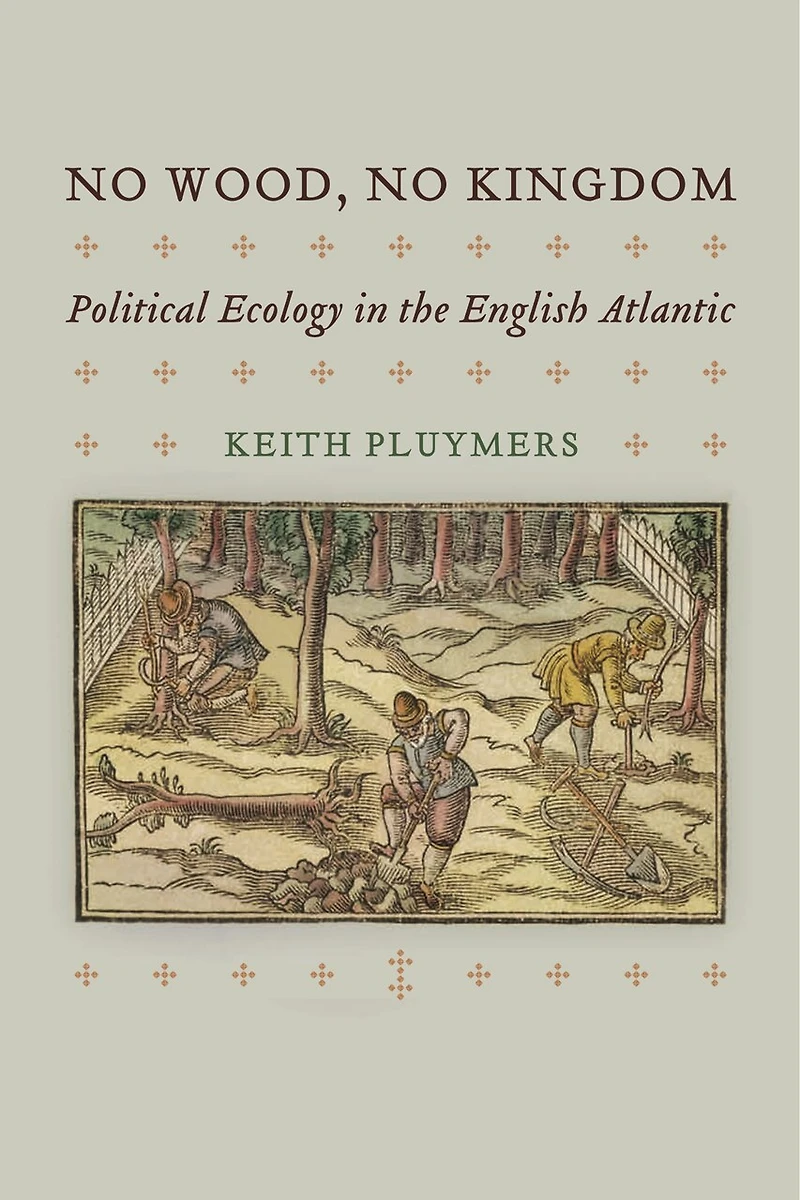
No Wood, No Kingdom: Political Ecology in the English Atlantic in Ottawa, ON
Current price: $38.99

No Wood, No Kingdom: Political Ecology in the English Atlantic in Ottawa, ON
Current price: $38.99
Loading Inventory...
Size: Paperback
*Product information may vary - to confirm product availability, pricing, shipping and return information please contact Coles
In early modern England, wood scarcity was a widespread concern. Royal officials, artisans, and common people expressed their fears in laws, petitions, and pamphlets, in which they debated the severity of the problem, speculated on its origins, and proposed solutions to it. No Wood, No Kingdom explores these conflicting attempts to understand the problem of scarcity and demonstrates how these ideas shaped land use, forestry, and the economic vision of England's earliest colonies.
Popular accounts have often suggested that deforestation served as a "push" for English colonial expansion. Keith Pluymers shows that wood scarcity in England, rather than a problem of absolute supply and demand, resulted from social conflict over the right to define and regulate resources, difficulties obtaining accurate information, and competing visions for trade, forestry, and the English landscape. Domestic scarcity claims did encourage schemes to develop wood-dependent enterprises in the colonies, but in practice colonies competed with domestic enterprises rather than supplanting them. Moreover, close studies of colonial governments and the actions of individual landholders in Ireland, Virginia, Bermuda, and Barbados demonstrate that colonists experimented with different, often competing approaches to colonial woods and trees, including efforts to manage them as long-term resources, albeit ones that nonetheless brought significant transformations to the land.
No Wood, No Kingdom explores the efforts to knot together woods around the Atlantic basin as resources for an English empire and the deep underlying conflicts and confusion that largely frustrated those plans. It speaks to historians of early modern Europe, early America, and the Atlantic World but also offers key insights on early modern resource politics, forest management, and political ecology of interest to readers in the environmental humanities and social sciences as well as those interested in colonialism or economic history.
In early modern England, wood scarcity was a widespread concern. Royal officials, artisans, and common people expressed their fears in laws, petitions, and pamphlets, in which they debated the severity of the problem, speculated on its origins, and proposed solutions to it. No Wood, No Kingdom explores these conflicting attempts to understand the problem of scarcity and demonstrates how these ideas shaped land use, forestry, and the economic vision of England's earliest colonies.
Popular accounts have often suggested that deforestation served as a "push" for English colonial expansion. Keith Pluymers shows that wood scarcity in England, rather than a problem of absolute supply and demand, resulted from social conflict over the right to define and regulate resources, difficulties obtaining accurate information, and competing visions for trade, forestry, and the English landscape. Domestic scarcity claims did encourage schemes to develop wood-dependent enterprises in the colonies, but in practice colonies competed with domestic enterprises rather than supplanting them. Moreover, close studies of colonial governments and the actions of individual landholders in Ireland, Virginia, Bermuda, and Barbados demonstrate that colonists experimented with different, often competing approaches to colonial woods and trees, including efforts to manage them as long-term resources, albeit ones that nonetheless brought significant transformations to the land.
No Wood, No Kingdom explores the efforts to knot together woods around the Atlantic basin as resources for an English empire and the deep underlying conflicts and confusion that largely frustrated those plans. It speaks to historians of early modern Europe, early America, and the Atlantic World but also offers key insights on early modern resource politics, forest management, and political ecology of interest to readers in the environmental humanities and social sciences as well as those interested in colonialism or economic history.
You May Also Like









More About Coles at Bayshore Shopping Centre
Coles is renowned for its outstanding customer service and great selection of books. Along with the vast array of magazines, stationary, audio-books, children's literature, fiction, non-fiction and reference books, you can find accessories to make your reading experience more pleasurable. We can recommend the very best in reading today. We will help you search our titles for exactly what you need, and if we do not have it in stock, we will order it for you.
100 Bayshore Dr, Nepean, ON K2B 8C1, Canada
Find Coles at Bayshore Shopping Centre in Ottawa, ON
Visit Coles at Bayshore Shopping Centre in Ottawa, ON