

Give the Gift of Choice!
Too many options? Treat your friends and family to their favourite stores with a Bayshore Shopping Centre gift card, redeemable at participating retailers throughout the centre. Click below to purchase yours today!Purchase HereHome
Northern Wei 386 to 534: A New Form of Empire East Asia
Coles
Loading Inventory...
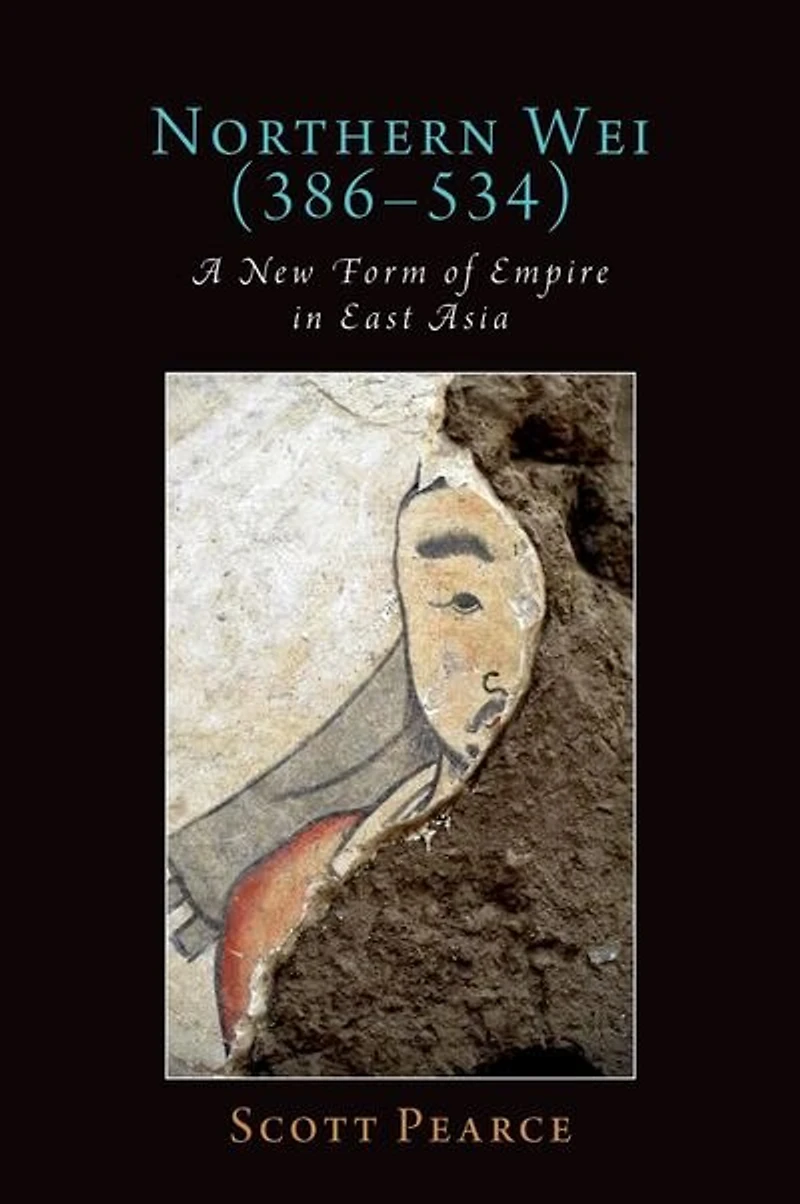
Northern Wei 386 to 534: A New Form of Empire East Asia in Ottawa, ON
Current price: $145.88

Northern Wei 386 to 534: A New Form of Empire East Asia in Ottawa, ON
Current price: $145.88
Loading Inventory...
Size: Hardcover
*Product information may vary - to confirm product availability, pricing, shipping and return information please contact Coles
Emerging from collapse of the Han empire, the founders of Northern Wei had come south from the grasslands of Inner Asia to conquer the rich farmlands of the Yellow River plains. Northern Wei was, in fact, the first of the so-called "conquest dynasties" complex states seen repeatedly in East Asian history in which Inner Asian peoples ruled parts of the Chinese world. An innovative contribution to East Asian and Chinese history of the medieval period, Northern Wei (386-534) combines received historical text and archaeological findings to examine the complex interactions between these originally distinct populations, and the way those interactions changed over time. Scott Pearce analyses traditions borrowed and adapted from the long-gone Han dynasty including government and taxation as well as the new cultural elements such as the use of armor for man and horse in the cavalry and the newly-invented stirrup. Further, this book discusses the fundamental change in the dynastic family, as empresses began to play an increasingly important role in the business of government. Though Northern Wei fell in the early sixth century, the nature of the state was thus fundamentally changed, in the Chinese world and East Asia as a whole; it had laid down a foundation from which a century later would emerge the world empire of Tang.
Emerging from collapse of the Han empire, the founders of Northern Wei had come south from the grasslands of Inner Asia to conquer the rich farmlands of the Yellow River plains. Northern Wei was, in fact, the first of the so-called "conquest dynasties" complex states seen repeatedly in East Asian history in which Inner Asian peoples ruled parts of the Chinese world. An innovative contribution to East Asian and Chinese history of the medieval period, Northern Wei (386-534) combines received historical text and archaeological findings to examine the complex interactions between these originally distinct populations, and the way those interactions changed over time. Scott Pearce analyses traditions borrowed and adapted from the long-gone Han dynasty including government and taxation as well as the new cultural elements such as the use of armor for man and horse in the cavalry and the newly-invented stirrup. Further, this book discusses the fundamental change in the dynastic family, as empresses began to play an increasingly important role in the business of government. Though Northern Wei fell in the early sixth century, the nature of the state was thus fundamentally changed, in the Chinese world and East Asia as a whole; it had laid down a foundation from which a century later would emerge the world empire of Tang.
You May Also Like







More About Coles at Bayshore Shopping Centre
Coles is renowned for its outstanding customer service and great selection of books. Along with the vast array of magazines, stationary, audio-books, children's literature, fiction, non-fiction and reference books, you can find accessories to make your reading experience more pleasurable. We can recommend the very best in reading today. We will help you search our titles for exactly what you need, and if we do not have it in stock, we will order it for you.
100 Bayshore Dr, Nepean, ON K2B 8C1, Canada
Find Coles at Bayshore Shopping Centre in Ottawa, ON
Visit Coles at Bayshore Shopping Centre in Ottawa, ON