

Give the Gift of Choice!
Too many options? Treat your friends and family to their favourite stores with a Bayshore Shopping Centre gift card, redeemable at participating retailers throughout the centre. Click below to purchase yours today!Purchase HereHome
Now We Are in Power: The Politics of Passive Revolution in Twenty-First-Century Bolivia
Coles
Loading Inventory...
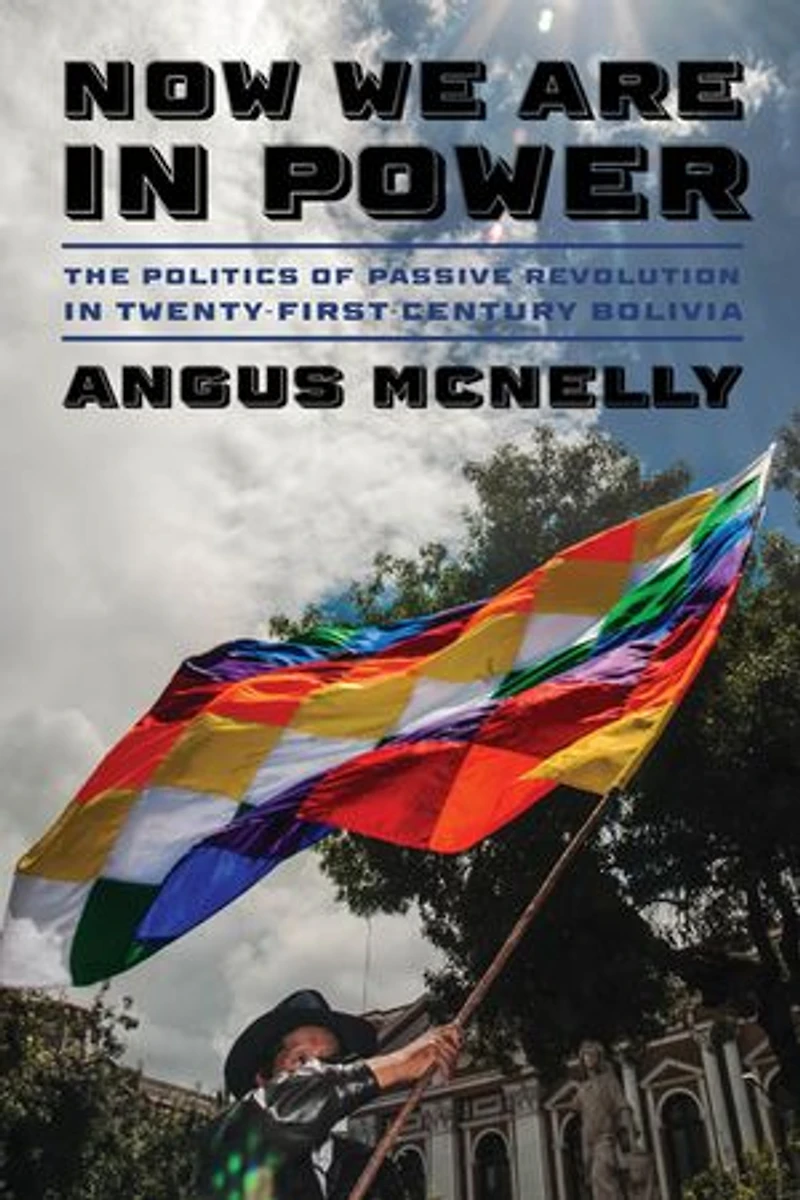
Now We Are in Power: The Politics of Passive Revolution in Twenty-First-Century Bolivia in Ottawa, ON
Current price: $73.59
Original price: $91.99

Now We Are in Power: The Politics of Passive Revolution in Twenty-First-Century Bolivia in Ottawa, ON
Current price: $73.59
Original price: $91.99
Loading Inventory...
Size: Kobo eBook
*Product information may vary - to confirm product availability, pricing, shipping and return information please contact Coles
During the first decade of the century, Evo Morales and other leftists took control of governments across Latin America. In the case of Bolivia, Morales was that country’s first Indigenous president and was elected following five years of popular insurrection after decades of neoliberal governance. Now We Are in Power makes the argument that the so-called Pink Tide should be understood as a passive revolution, a process that has two phases: a period of subaltern struggle from average citizens strong enough to culminate in a political crisis, which is followed by a time of reconciliation and transformation. Angus McNelly examines this movement as it unfolded and evaluates how passive revolution plays out over a prolonged crisis, ultimately demonstrating the inherent contradictions and complications of the process.
During the first decade of the century, Evo Morales and other leftists took control of governments across Latin America. In the case of Bolivia, Morales was that country’s first Indigenous president and was elected following five years of popular insurrection after decades of neoliberal governance. Now We Are in Power makes the argument that the so-called Pink Tide should be understood as a passive revolution, a process that has two phases: a period of subaltern struggle from average citizens strong enough to culminate in a political crisis, which is followed by a time of reconciliation and transformation. Angus McNelly examines this movement as it unfolded and evaluates how passive revolution plays out over a prolonged crisis, ultimately demonstrating the inherent contradictions and complications of the process.
You May Also Like







More About Coles at Bayshore Shopping Centre
Coles is renowned for its outstanding customer service and great selection of books. Along with the vast array of magazines, stationary, audio-books, children's literature, fiction, non-fiction and reference books, you can find accessories to make your reading experience more pleasurable. We can recommend the very best in reading today. We will help you search our titles for exactly what you need, and if we do not have it in stock, we will order it for you.
100 Bayshore Dr, Nepean, ON K2B 8C1, Canada
Find Coles at Bayshore Shopping Centre in Ottawa, ON
Visit Coles at Bayshore Shopping Centre in Ottawa, ON