

Give the Gift of Choice!
Too many options? Treat your friends and family to their favourite stores with a Bayshore Shopping Centre gift card, redeemable at participating retailers throughout the centre. Click below to purchase yours today!Purchase HereHome
Observing and Developing Schematic Behaviour Young Children: A Professional's Guide for Supporting Children's Learning, Play Development
Coles
Loading Inventory...
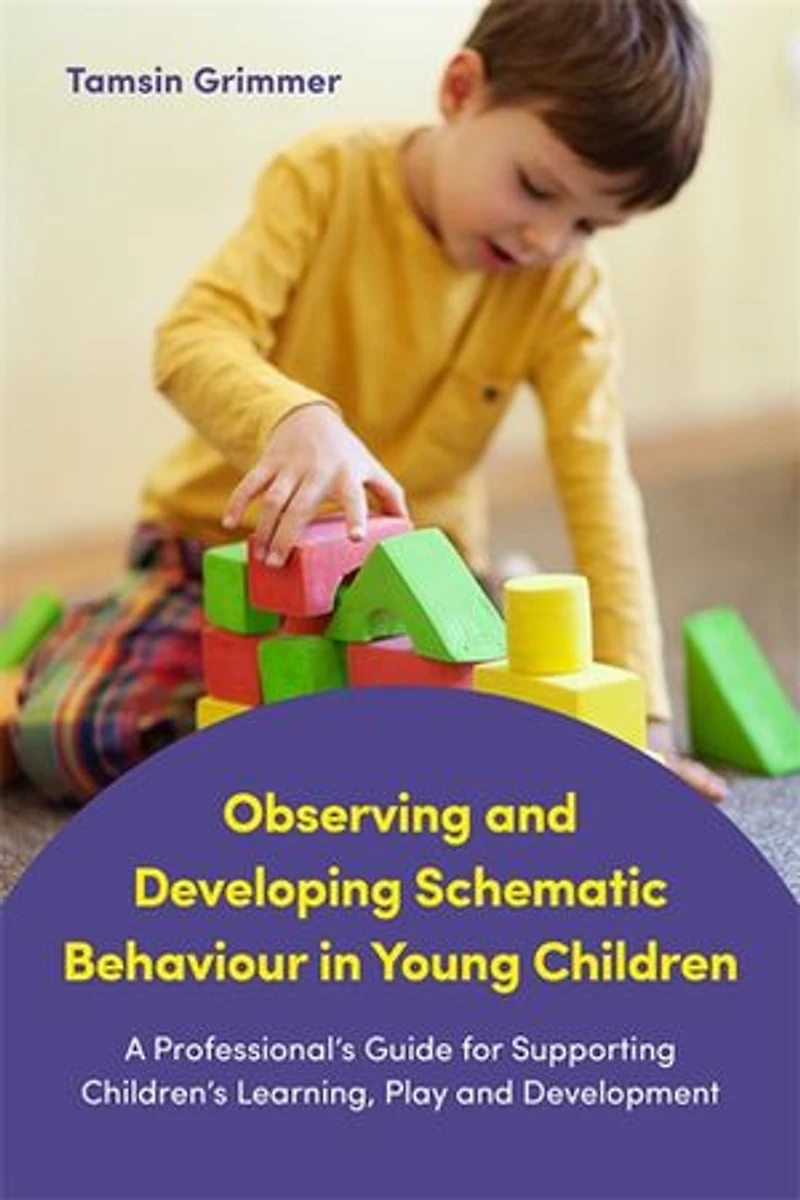
Observing and Developing Schematic Behaviour Young Children: A Professional's Guide for Supporting Children's Learning, Play Development in Ottawa, ON
Current price: $27.09
Original price: $33.86

Observing and Developing Schematic Behaviour Young Children: A Professional's Guide for Supporting Children's Learning, Play Development in Ottawa, ON
Current price: $27.09
Original price: $33.86
Loading Inventory...
Size: Kobo eBook
*Product information may vary - to confirm product availability, pricing, shipping and return information please contact Coles
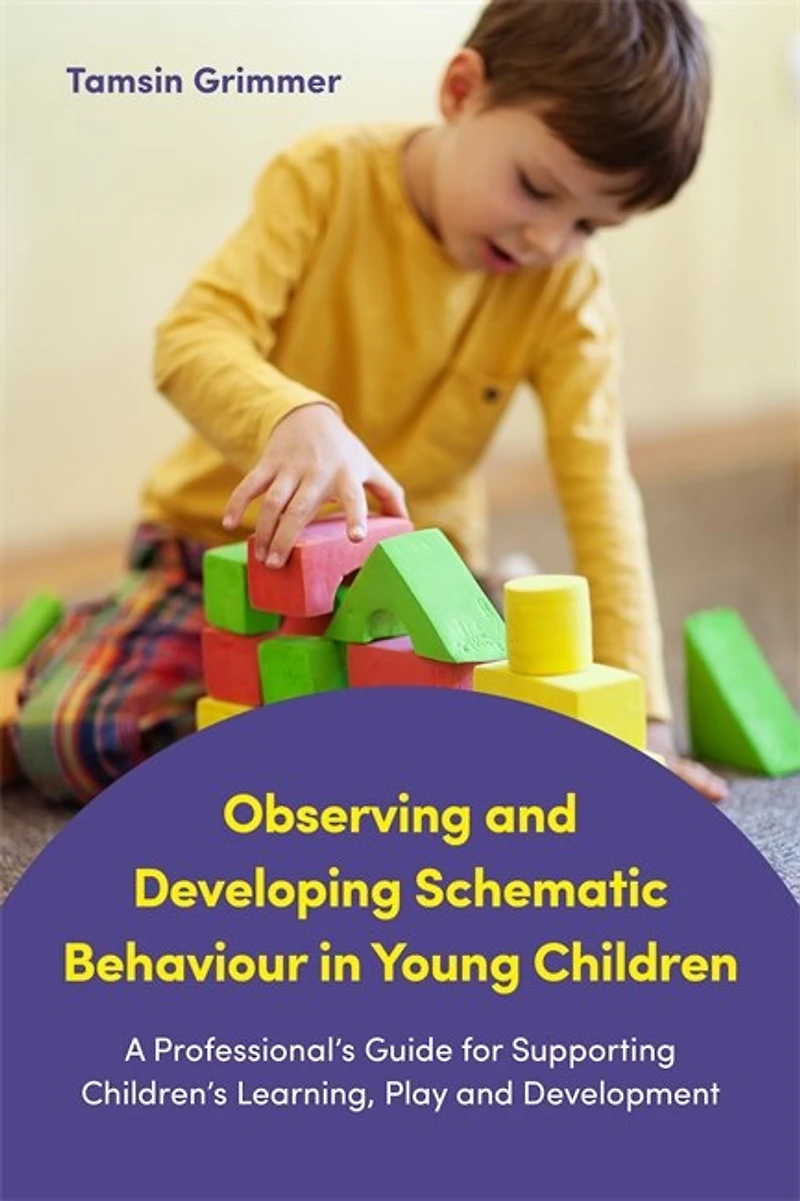
Observing and understanding schematic behaviour confidently is vital for anyone working with or looking after young children. This guide explains what schemas are, stripping back the technical language often used to describe them, and how to interpret and extend schematic behaviour to benefit the child. It looks specifically at 12 different schemas, such as connection, rotation and transportation, and includes case studies, interpretation of the observations and practical ideas for how to use this information to aid children's learning, development and play.
Making schemas and schematic behaviour more understandable, this book will give early years practitioners and parents the confidence to identify schemas and plan future learning opportunities to support children based on this knowledge.
Observing and understanding schematic behaviour confidently is vital for anyone working with or looking after young children. This guide explains what schemas are, stripping back the technical language often used to describe them, and how to interpret and extend schematic behaviour to benefit the child. It looks specifically at 12 different schemas, such as connection, rotation and transportation, and includes case studies, interpretation of the observations and practical ideas for how to use this information to aid children's learning, development and play.
Making schemas and schematic behaviour more understandable, this book will give early years practitioners and parents the confidence to identify schemas and plan future learning opportunities to support children based on this knowledge.
You May Also Like







More About Coles at Bayshore Shopping Centre
Coles is renowned for its outstanding customer service and great selection of books. Along with the vast array of magazines, stationary, audio-books, children's literature, fiction, non-fiction and reference books, you can find accessories to make your reading experience more pleasurable. We can recommend the very best in reading today. We will help you search our titles for exactly what you need, and if we do not have it in stock, we will order it for you.
100 Bayshore Dr, Nepean, ON K2B 8C1, Canada
Find Coles at Bayshore Shopping Centre in Ottawa, ON
Visit Coles at Bayshore Shopping Centre in Ottawa, ON