

Give the Gift of Choice!
Too many options? Treat your friends and family to their favourite stores with a Bayshore Shopping Centre gift card, redeemable at participating retailers throughout the centre. Click below to purchase yours today!Purchase HereHome
Occupiers, Humanitarian Workers
Coles
Loading Inventory...
Occupiers, Humanitarian Workers in Ottawa, ON
Current price: $43.99
Original price: $53.95

Occupiers, Humanitarian Workers in Ottawa, ON
Current price: $43.99
Original price: $53.95
Loading Inventory...
Size: Kobo eBook
*Product information may vary - to confirm product availability, pricing, shipping and return information please contact Coles
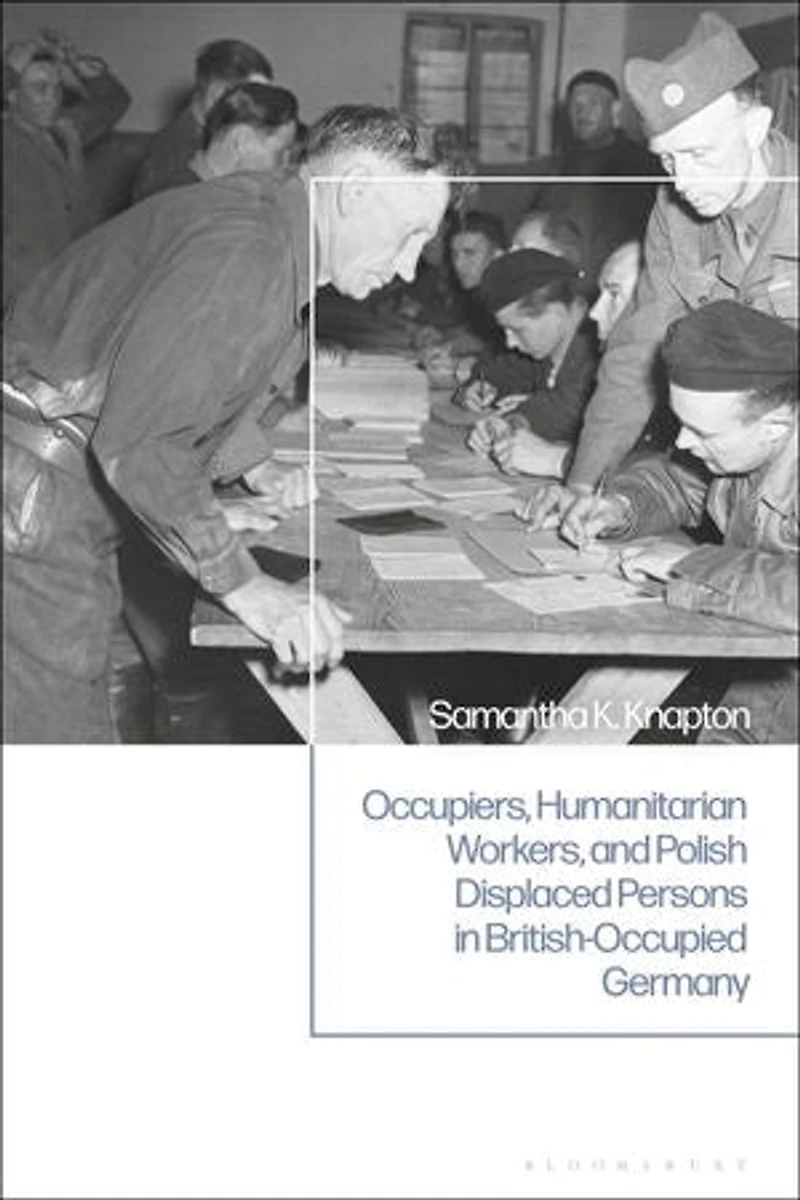
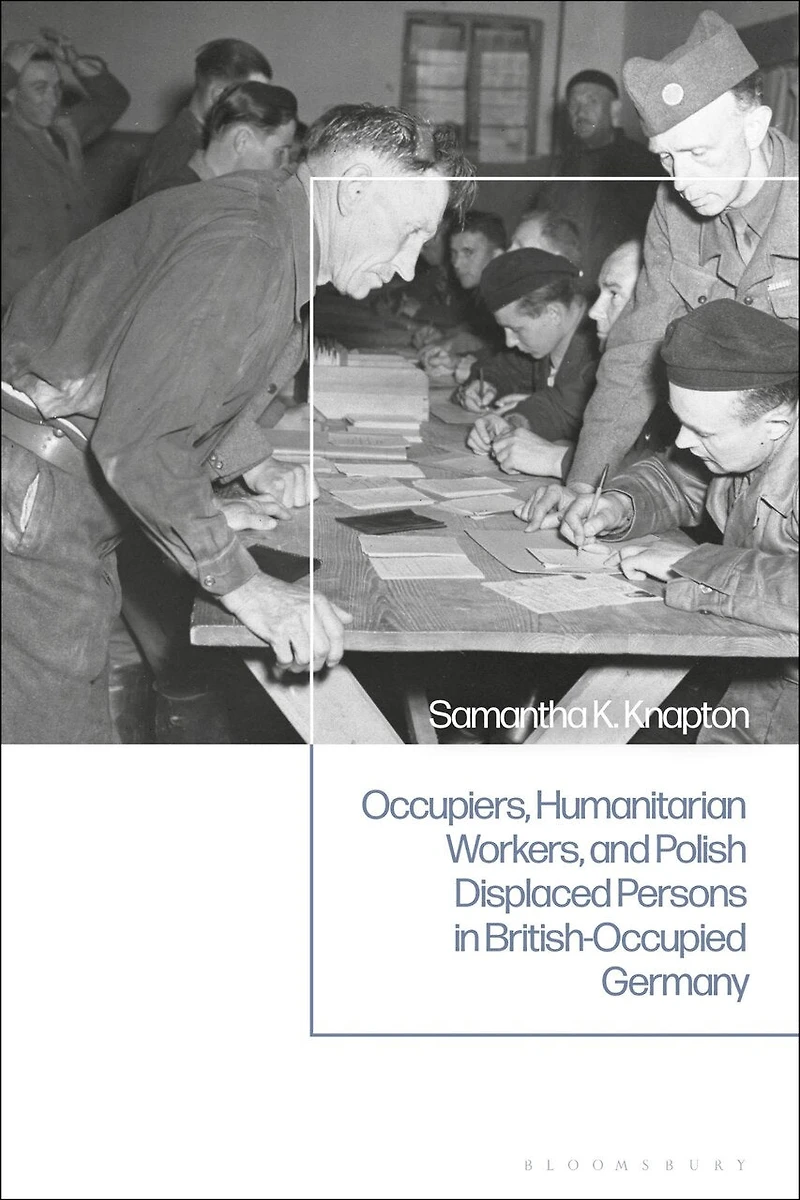
Concepts of migration and displacement are all too often separated from ideas of international humanitarianism and occupations; and yet, between 1945 and 1951, victims of war became the joint responsibility of humanitarian workers and military officials in occupied Germany. In this innovative study, Samantha K. Knapton focuses on the lives of Polish displaced persons (DPs) - one of the largest groups in occupied Germany - to shine a spotlight on this interaction for the first time. From the everyday experience of clothing, feeding and sheltering to governmental policies and military actions, Occupiers, Humanitarian Workers and the Polish Displaced Persons in British-Occupied Germany investigates the impact of occupation on post-war refugees and explores how the birth of state-driven international humanitarianism played a vital role in both the identity of the Polish people and the reconstruction of Germany. To do so, Knapton fuses together archival material and personal collections such as memoirs, letters and diaries to present an account which considers both the macro and micro issues of displacement, occupation and humanitarianism. The result is a sophisticated analysis of Anglo-Polish-German relations in post-war Europe which will be of immense value to all scholars of modern Europe, Polish history, and displacement studies more generally.
Concepts of migration and displacement are all too often separated from ideas of international humanitarianism and occupations; and yet, between 1945 and 1951, victims of war became the joint responsibility of humanitarian workers and military officials in occupied Germany. In this innovative study, Samantha K. Knapton focuses on the lives of Polish displaced persons (DPs) - one of the largest groups in occupied Germany - to shine a spotlight on this interaction for the first time. From the everyday experience of clothing, feeding and sheltering to governmental policies and military actions, Occupiers, Humanitarian Workers and the Polish Displaced Persons in British-Occupied Germany investigates the impact of occupation on post-war refugees and explores how the birth of state-driven international humanitarianism played a vital role in both the identity of the Polish people and the reconstruction of Germany. To do so, Knapton fuses together archival material and personal collections such as memoirs, letters and diaries to present an account which considers both the macro and micro issues of displacement, occupation and humanitarianism. The result is a sophisticated analysis of Anglo-Polish-German relations in post-war Europe which will be of immense value to all scholars of modern Europe, Polish history, and displacement studies more generally.
You May Also Like












More About Coles at Bayshore Shopping Centre
Coles is renowned for its outstanding customer service and great selection of books. Along with the vast array of magazines, stationary, audio-books, children's literature, fiction, non-fiction and reference books, you can find accessories to make your reading experience more pleasurable. We can recommend the very best in reading today. We will help you search our titles for exactly what you need, and if we do not have it in stock, we will order it for you.
100 Bayshore Dr, Nepean, ON K2B 8C1, Canada
Find Coles at Bayshore Shopping Centre in Ottawa, ON
Visit Coles at Bayshore Shopping Centre in Ottawa, ON