

Give the Gift of Choice!
Too many options? Treat your friends and family to their favourite stores with a Bayshore Shopping Centre gift card, redeemable at participating retailers throughout the centre. Click below to purchase yours today!Purchase HereHome
Office and Duty King Lear: Shakespeare's Political Theologies
Coles
Loading Inventory...
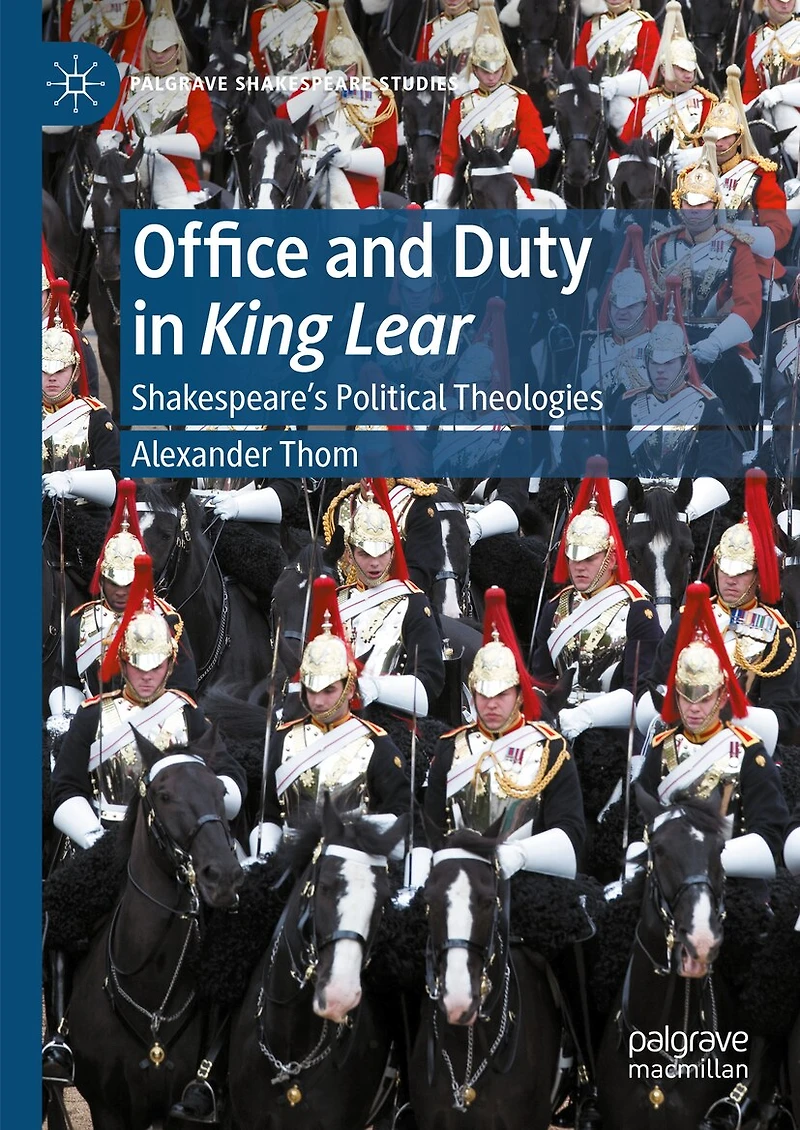
Office and Duty King Lear: Shakespeare's Political Theologies in Ottawa, ON
Current price: $175.50

Office and Duty King Lear: Shakespeare's Political Theologies in Ottawa, ON
Current price: $175.50
Loading Inventory...
Size: Hardcover
*Product information may vary - to confirm product availability, pricing, shipping and return information please contact Coles
This book advances five original readings of Shakespeare's King Lear , influenced by Giorgio Agamben, but tempered by primary research into Jacobean literature, law, religion, and philosophy. To grasp Lear 's encounter between politics and identity, the play demands a wider understanding of the religious influence on political thought. As Lear himself realises, sovereignty is an extreme, glamorous example of a deeper category: sacred office. Lear also shows duty intersecting with a hierarchy of bastards, outlaws, women, waifs, and monks. This book introduces concepts like petit treason , civil death, and waivery into political theological studies, complicating Agamben's models. Goneril's treason shows the sovereign's consort and children are consecrated lives too. Lear's crisis of "self-knowing" stages a landmark critique of office. The promise of his poignant speech before the prison is foreclosed by Shakespeare's invention: an officer dutifully murdering Cordelia. This book's conclusion, through Hannah Arendt, reconsiders Lear 's persistent association with the Holocaust.
This book advances five original readings of Shakespeare's King Lear , influenced by Giorgio Agamben, but tempered by primary research into Jacobean literature, law, religion, and philosophy. To grasp Lear 's encounter between politics and identity, the play demands a wider understanding of the religious influence on political thought. As Lear himself realises, sovereignty is an extreme, glamorous example of a deeper category: sacred office. Lear also shows duty intersecting with a hierarchy of bastards, outlaws, women, waifs, and monks. This book introduces concepts like petit treason , civil death, and waivery into political theological studies, complicating Agamben's models. Goneril's treason shows the sovereign's consort and children are consecrated lives too. Lear's crisis of "self-knowing" stages a landmark critique of office. The promise of his poignant speech before the prison is foreclosed by Shakespeare's invention: an officer dutifully murdering Cordelia. This book's conclusion, through Hannah Arendt, reconsiders Lear 's persistent association with the Holocaust.
You May Also Like









More About Coles at Bayshore Shopping Centre
Coles is renowned for its outstanding customer service and great selection of books. Along with the vast array of magazines, stationary, audio-books, children's literature, fiction, non-fiction and reference books, you can find accessories to make your reading experience more pleasurable. We can recommend the very best in reading today. We will help you search our titles for exactly what you need, and if we do not have it in stock, we will order it for you.
100 Bayshore Dr, Nepean, ON K2B 8C1, Canada
Find Coles at Bayshore Shopping Centre in Ottawa, ON
Visit Coles at Bayshore Shopping Centre in Ottawa, ON