

Give the Gift of Choice!
Too many options? Treat your friends and family to their favourite stores with a Bayshore Shopping Centre gift card, redeemable at participating retailers throughout the centre. Click below to purchase yours today!Purchase HereHome
On Limitations to the Use of Some Anthropologic Data: Navigating Anthropologic Data: Challenges and Insights
Coles
Loading Inventory...
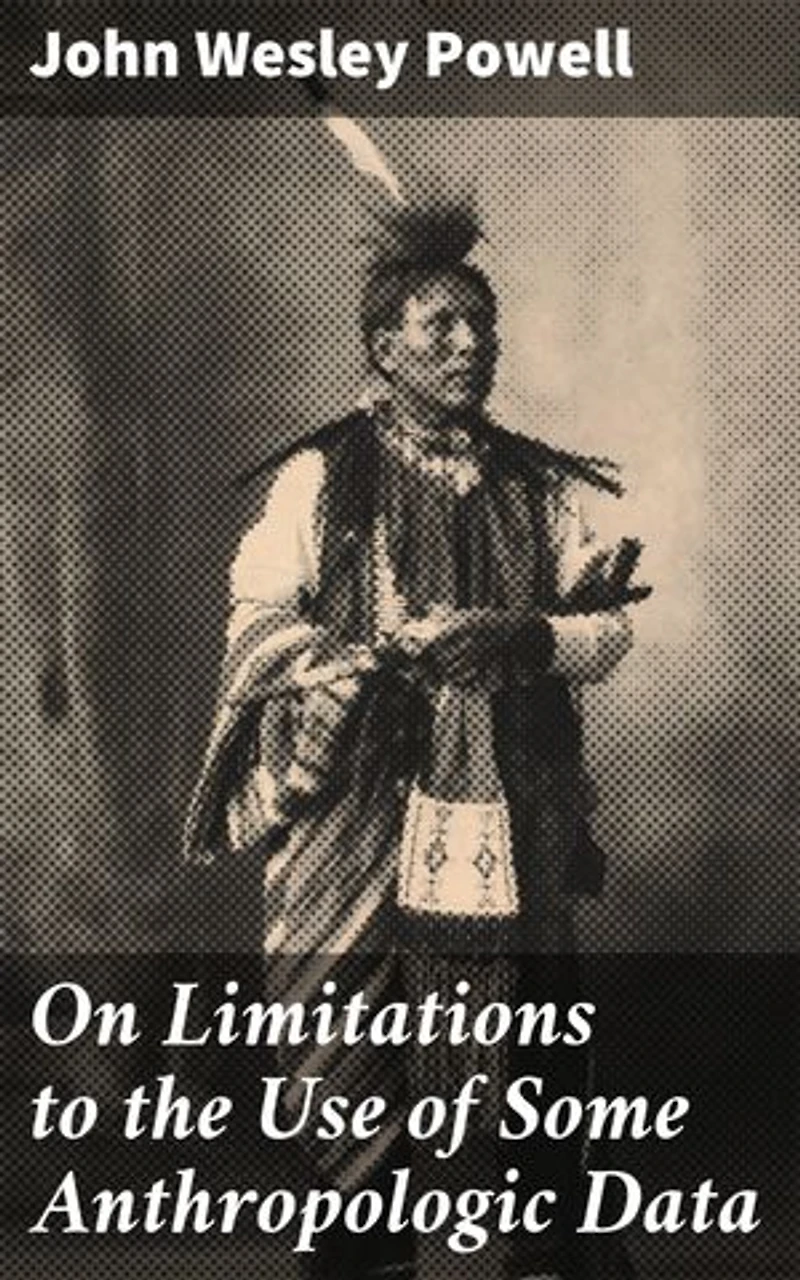
On Limitations to the Use of Some Anthropologic Data: Navigating Anthropologic Data: Challenges and Insights in Ottawa, ON
Current price: $2.99

On Limitations to the Use of Some Anthropologic Data: Navigating Anthropologic Data: Challenges and Insights in Ottawa, ON
Current price: $2.99
Loading Inventory...
Size: Kobo eBook
*Product information may vary - to confirm product availability, pricing, shipping and return information please contact Coles
In "On Limitations to the Use of Some Anthropologic Data," John Wesley Powell presents a meticulous examination of the epistemological and methodological constraints inherent in the application of anthropological data. Through a pioneering blend of empirical research and critical theorization, Powell critiques the prevailing assumptions of his era, challenging scholars to confront the limitations of their data interpretations. His prose is marked by clarity and precision, echoing the scientific rigor of late 19th-century American naturalism while simultaneously engaging with the romantic ideal of the noble savage, thus situating his work within a broader literary context that grapples with American identity and the complexities of cultural representation. John Wesley Powell, a renowned geologist and ethnographer, was profoundly influenced by his explorations of the American West. His tenure as the second director of the U.S. Geological Survey and his advocacy for scientific education profoundly shaped his views on anthropology. Powell's commitment to empirical inquiry was rooted in his personal experiences with indigenous cultures, which informed his nuanced understanding of the limitations surrounding anthropological data collection. This essential text is a crucial read for anthropologists, historians, and scholars interested in the intricacies of scientific methodology. By dissecting the pitfalls of data reliance, Powell encourages readers to approach anthropological studies with a critical lens, making this book an invaluable addition to any academic library and an enlightening companion for those seeking to understand the dynamic interplay of culture, data, and interpretation.
In "On Limitations to the Use of Some Anthropologic Data," John Wesley Powell presents a meticulous examination of the epistemological and methodological constraints inherent in the application of anthropological data. Through a pioneering blend of empirical research and critical theorization, Powell critiques the prevailing assumptions of his era, challenging scholars to confront the limitations of their data interpretations. His prose is marked by clarity and precision, echoing the scientific rigor of late 19th-century American naturalism while simultaneously engaging with the romantic ideal of the noble savage, thus situating his work within a broader literary context that grapples with American identity and the complexities of cultural representation. John Wesley Powell, a renowned geologist and ethnographer, was profoundly influenced by his explorations of the American West. His tenure as the second director of the U.S. Geological Survey and his advocacy for scientific education profoundly shaped his views on anthropology. Powell's commitment to empirical inquiry was rooted in his personal experiences with indigenous cultures, which informed his nuanced understanding of the limitations surrounding anthropological data collection. This essential text is a crucial read for anthropologists, historians, and scholars interested in the intricacies of scientific methodology. By dissecting the pitfalls of data reliance, Powell encourages readers to approach anthropological studies with a critical lens, making this book an invaluable addition to any academic library and an enlightening companion for those seeking to understand the dynamic interplay of culture, data, and interpretation.
You May Also Like














More About Coles at Bayshore Shopping Centre
Coles is renowned for its outstanding customer service and great selection of books. Along with the vast array of magazines, stationary, audio-books, children's literature, fiction, non-fiction and reference books, you can find accessories to make your reading experience more pleasurable. We can recommend the very best in reading today. We will help you search our titles for exactly what you need, and if we do not have it in stock, we will order it for you.
100 Bayshore Dr, Nepean, ON K2B 8C1, Canada
Find Coles at Bayshore Shopping Centre in Ottawa, ON
Visit Coles at Bayshore Shopping Centre in Ottawa, ON