

Give the Gift of Choice!
Too many options? Treat your friends and family to their favourite stores with a Bayshore Shopping Centre gift card, redeemable at participating retailers throughout the centre. Click below to purchase yours today!Purchase HereHome
One Hundred Wandering Haiku: Renga and Tanka
Coles
Loading Inventory...
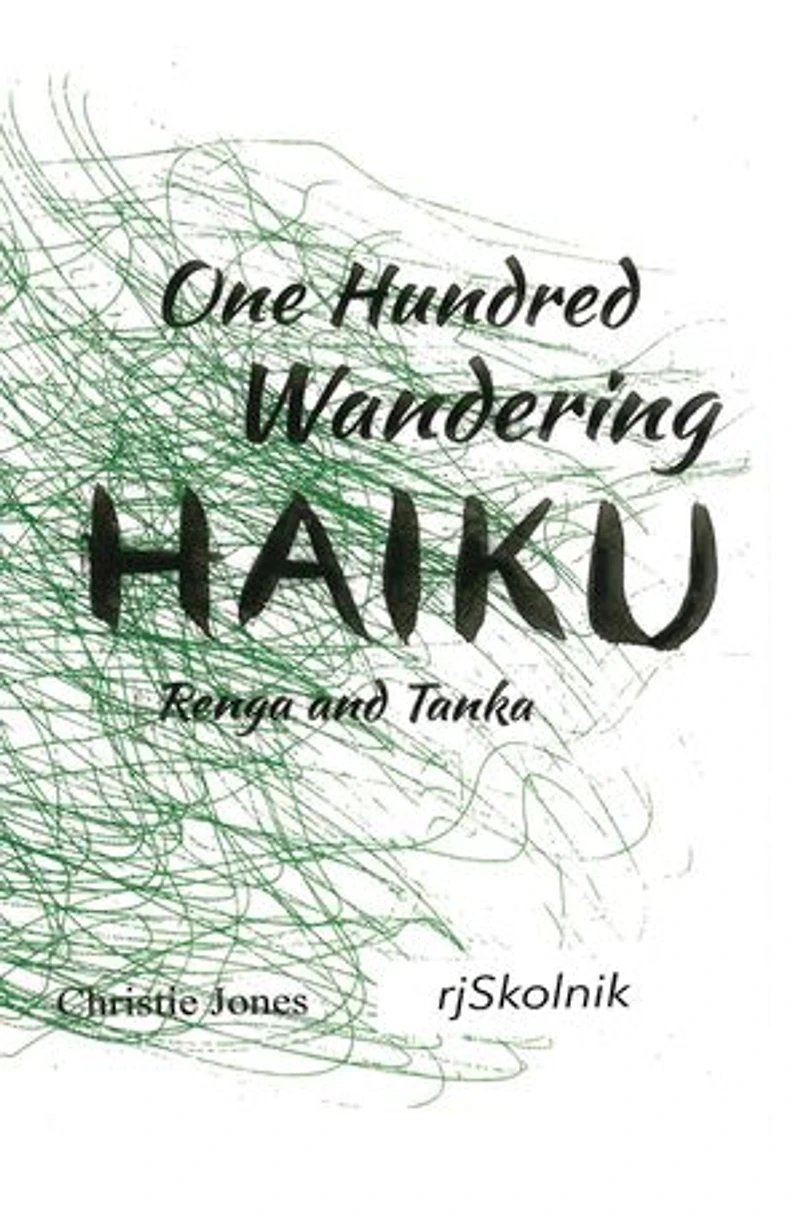
One Hundred Wandering Haiku: Renga and Tanka in Ottawa, ON
Current price: $36.76

One Hundred Wandering Haiku: Renga and Tanka in Ottawa, ON
Current price: $36.76
Loading Inventory...
Size: Kobo eBook
*Product information may vary - to confirm product availability, pricing, shipping and return information please contact Coles
About the Book
In ONE HUNDRED WANDERING HAIKU the poets have explored three traditional Japanese poetic forms, HAIKU, TANKA and RENGA. The first chapter offers basic HAIKU, three lines, (5-7-5 ) in seventeen syllables. In the second chapter the TANKA expands upon the Haiku to thirty-one syllables, 5-7-5-7-7.
A traditional RENGA is a linked verse form, usually beginning with a Haiku and then a response with two lines of seven syllables. In their MONET RENGA, (a variation upon this tradition), a simple HAIKU of 5-7-5 alternates between the two poets. The RIVER RENGA presents the true TANKA form: Hokku (starting verse of 5-7-5 syllables) from the initiator followed by a Haikai response of two lines (7-7 syllables).
With a deep exploration of these Japanese poetic structures, the poets opened up a world of keen observation and expressive language never known to them before. To distinguish each poet’s work two different fonts are used.
About the Book
In ONE HUNDRED WANDERING HAIKU the poets have explored three traditional Japanese poetic forms, HAIKU, TANKA and RENGA. The first chapter offers basic HAIKU, three lines, (5-7-5 ) in seventeen syllables. In the second chapter the TANKA expands upon the Haiku to thirty-one syllables, 5-7-5-7-7.
A traditional RENGA is a linked verse form, usually beginning with a Haiku and then a response with two lines of seven syllables. In their MONET RENGA, (a variation upon this tradition), a simple HAIKU of 5-7-5 alternates between the two poets. The RIVER RENGA presents the true TANKA form: Hokku (starting verse of 5-7-5 syllables) from the initiator followed by a Haikai response of two lines (7-7 syllables).
With a deep exploration of these Japanese poetic structures, the poets opened up a world of keen observation and expressive language never known to them before. To distinguish each poet’s work two different fonts are used.







More About Coles at Bayshore Shopping Centre
Coles is renowned for its outstanding customer service and great selection of books. Along with the vast array of magazines, stationary, audio-books, children's literature, fiction, non-fiction and reference books, you can find accessories to make your reading experience more pleasurable. We can recommend the very best in reading today. We will help you search our titles for exactly what you need, and if we do not have it in stock, we will order it for you.
100 Bayshore Dr, Nepean, ON K2B 8C1, Canada
Find Coles at Bayshore Shopping Centre in Ottawa, ON
Visit Coles at Bayshore Shopping Centre in Ottawa, ON