

Give the Gift of Choice!
Too many options? Treat your friends and family to their favourite stores with a Bayshore Shopping Centre gift card, redeemable at participating retailers throughout the centre. Click below to purchase yours today!Purchase HereHome
Opera in the Viennese Home from Mozart to Rossini
Coles
Loading Inventory...
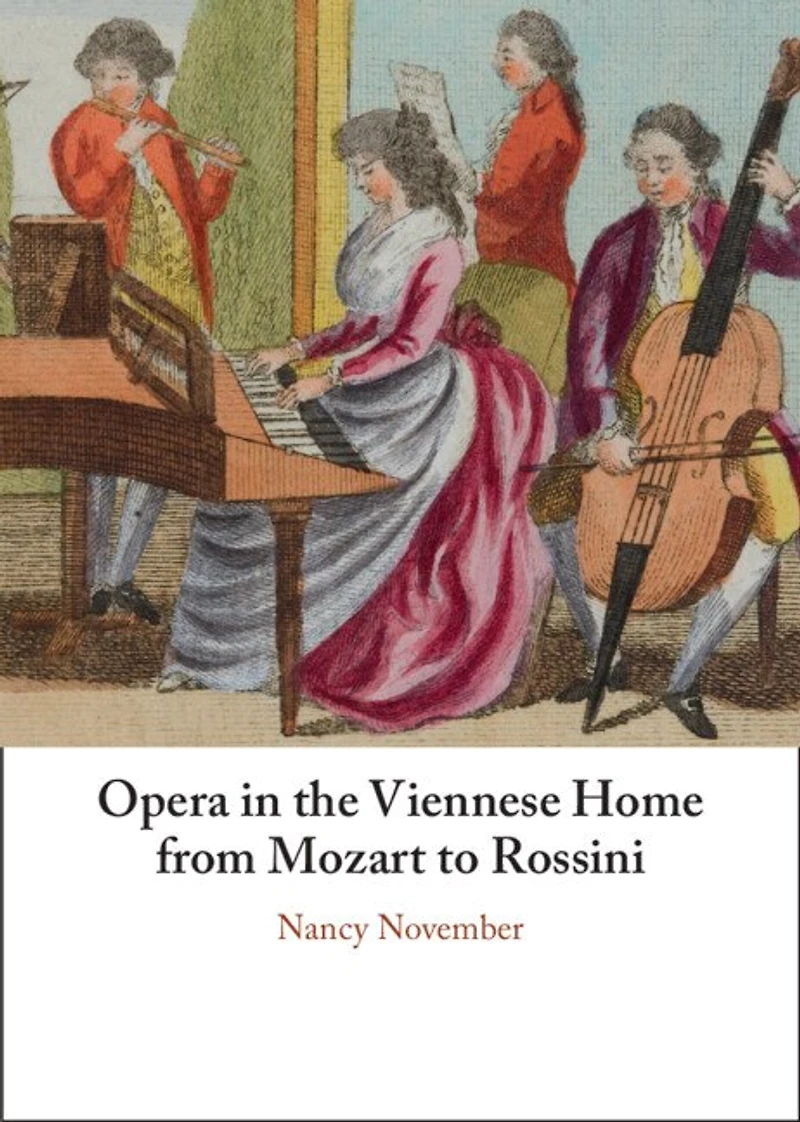
Opera in the Viennese Home from Mozart to Rossini in Ottawa, ON
Current price: $132.95

Opera in the Viennese Home from Mozart to Rossini in Ottawa, ON
Current price: $132.95
Loading Inventory...
Size: Hardcover
*Product information may vary - to confirm product availability, pricing, shipping and return information please contact Coles
Domestic musical arrangements of opera provide a unique window on the world of nineteenth-century amateur music-making. These arrangements flourished in especially rich variety in early nineteenth-century Vienna. This study reveals ways in which the Viennese culture of musical arrangements opened up opportunities, especially for women, for connoisseurship, education, and sociability in the home, and extended the meanings and reach of public concert life. It takes a novel stance for musicology, prioritising musical arrangements over original compositions, and female amateurs' perspectives over those of composers, and asks: what cultural, musical, and social functions did opera arrangements serve in Vienna c.1790–1830? Multivalent musical analyses explore ways Viennese arrangers tailored large-scale operatic works to the demands and values of domestic consumers. Documentary analysis, using little-studied evidence of private and semi-private music-making, investigates the agency of musical amateurs and reinstates the central importance of women's roles.
Domestic musical arrangements of opera provide a unique window on the world of nineteenth-century amateur music-making. These arrangements flourished in especially rich variety in early nineteenth-century Vienna. This study reveals ways in which the Viennese culture of musical arrangements opened up opportunities, especially for women, for connoisseurship, education, and sociability in the home, and extended the meanings and reach of public concert life. It takes a novel stance for musicology, prioritising musical arrangements over original compositions, and female amateurs' perspectives over those of composers, and asks: what cultural, musical, and social functions did opera arrangements serve in Vienna c.1790–1830? Multivalent musical analyses explore ways Viennese arrangers tailored large-scale operatic works to the demands and values of domestic consumers. Documentary analysis, using little-studied evidence of private and semi-private music-making, investigates the agency of musical amateurs and reinstates the central importance of women's roles.
You May Also Like














More About Coles at Bayshore Shopping Centre
Coles is renowned for its outstanding customer service and great selection of books. Along with the vast array of magazines, stationary, audio-books, children's literature, fiction, non-fiction and reference books, you can find accessories to make your reading experience more pleasurable. We can recommend the very best in reading today. We will help you search our titles for exactly what you need, and if we do not have it in stock, we will order it for you.
100 Bayshore Dr, Nepean, ON K2B 8C1, Canada
Find Coles at Bayshore Shopping Centre in Ottawa, ON
Visit Coles at Bayshore Shopping Centre in Ottawa, ON