

Give the Gift of Choice!
Too many options? Treat your friends and family to their favourite stores with a Bayshore Shopping Centre gift card, redeemable at participating retailers throughout the centre. Click below to purchase yours today!Purchase HereHome
Organic Chemistry: Mechanistic Patterns
Coles
Loading Inventory...
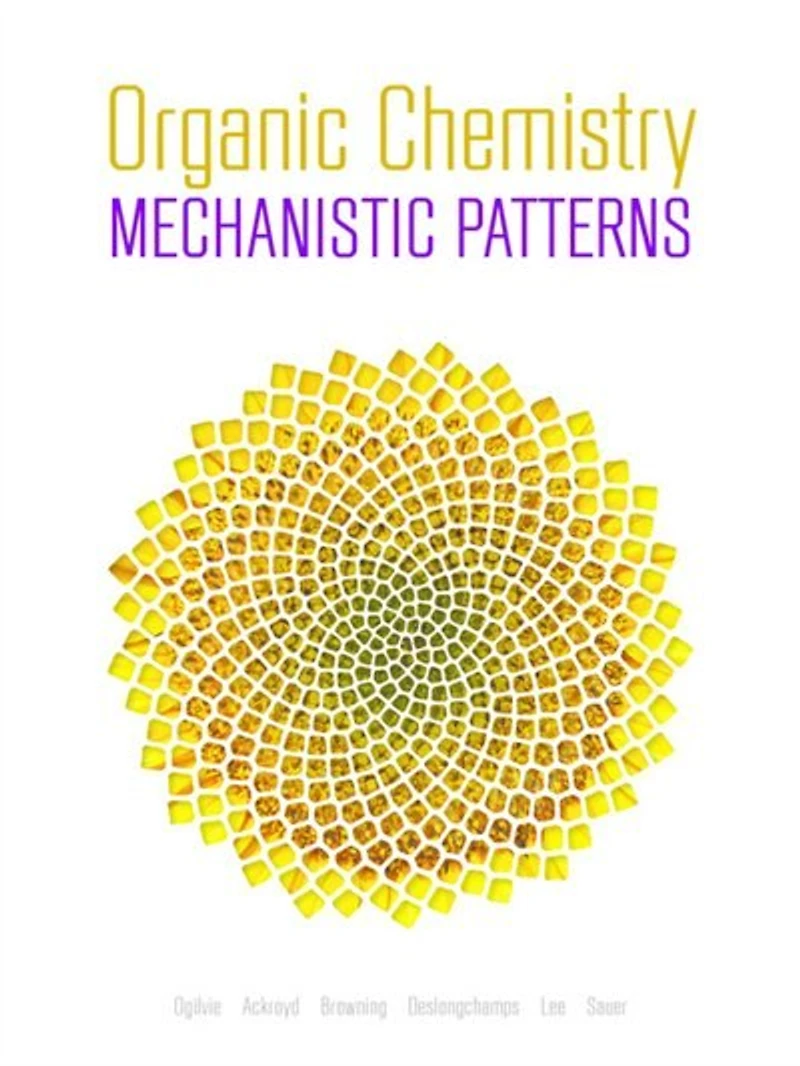
Organic Chemistry: Mechanistic Patterns in Ottawa, ON
Current price: $79.95

Organic Chemistry: Mechanistic Patterns in Ottawa, ON
Current price: $79.95
Loading Inventory...
Size: Hardcover
*Product information may vary - to confirm product availability, pricing, shipping and return information please contact Coles
Organic Chemistry: Mechanistic Patterns is the very first introductory organic chemistry title that holistically focuses on a mechanistic approach; an approach that has proven to achieve a deeper understanding of chemical reactivity. This mechanistic approach to the dynamic world of organic chemistry visualizes reactivity as a collection of patterns in electron movement, making it possible for students to describe why a reaction occurred. Recognizing patterns of electron flow between seemingly different reactions can allow students to predict how a chemical will react, even if they have never seen a particular reaction before. The text takes great care to establish a progression of reactivity, from simple to complex, introducing functional groups as necessary, while focusing on the reaction at hand rather than the various things that each functional group does. Together, we seek to open students'' eyes to the dynamic world of organic chemistry with a more powerful and systematic approach to learning.
Organic Chemistry: Mechanistic Patterns is the very first introductory organic chemistry title that holistically focuses on a mechanistic approach; an approach that has proven to achieve a deeper understanding of chemical reactivity. This mechanistic approach to the dynamic world of organic chemistry visualizes reactivity as a collection of patterns in electron movement, making it possible for students to describe why a reaction occurred. Recognizing patterns of electron flow between seemingly different reactions can allow students to predict how a chemical will react, even if they have never seen a particular reaction before. The text takes great care to establish a progression of reactivity, from simple to complex, introducing functional groups as necessary, while focusing on the reaction at hand rather than the various things that each functional group does. Together, we seek to open students'' eyes to the dynamic world of organic chemistry with a more powerful and systematic approach to learning.
You May Also Like










More About Coles at Bayshore Shopping Centre
Coles is renowned for its outstanding customer service and great selection of books. Along with the vast array of magazines, stationary, audio-books, children's literature, fiction, non-fiction and reference books, you can find accessories to make your reading experience more pleasurable. We can recommend the very best in reading today. We will help you search our titles for exactly what you need, and if we do not have it in stock, we will order it for you.
100 Bayshore Dr, Nepean, ON K2B 8C1, Canada
Find Coles at Bayshore Shopping Centre in Ottawa, ON
Visit Coles at Bayshore Shopping Centre in Ottawa, ON