

Give the Gift of Choice!
Too many options? Treat your friends and family to their favourite stores with a Bayshore Shopping Centre gift card, redeemable at participating retailers throughout the centre. Click below to purchase yours today!Purchase HereHome
Otto Rank and the Creation of Modern Psychotherapy
Coles
Loading Inventory...
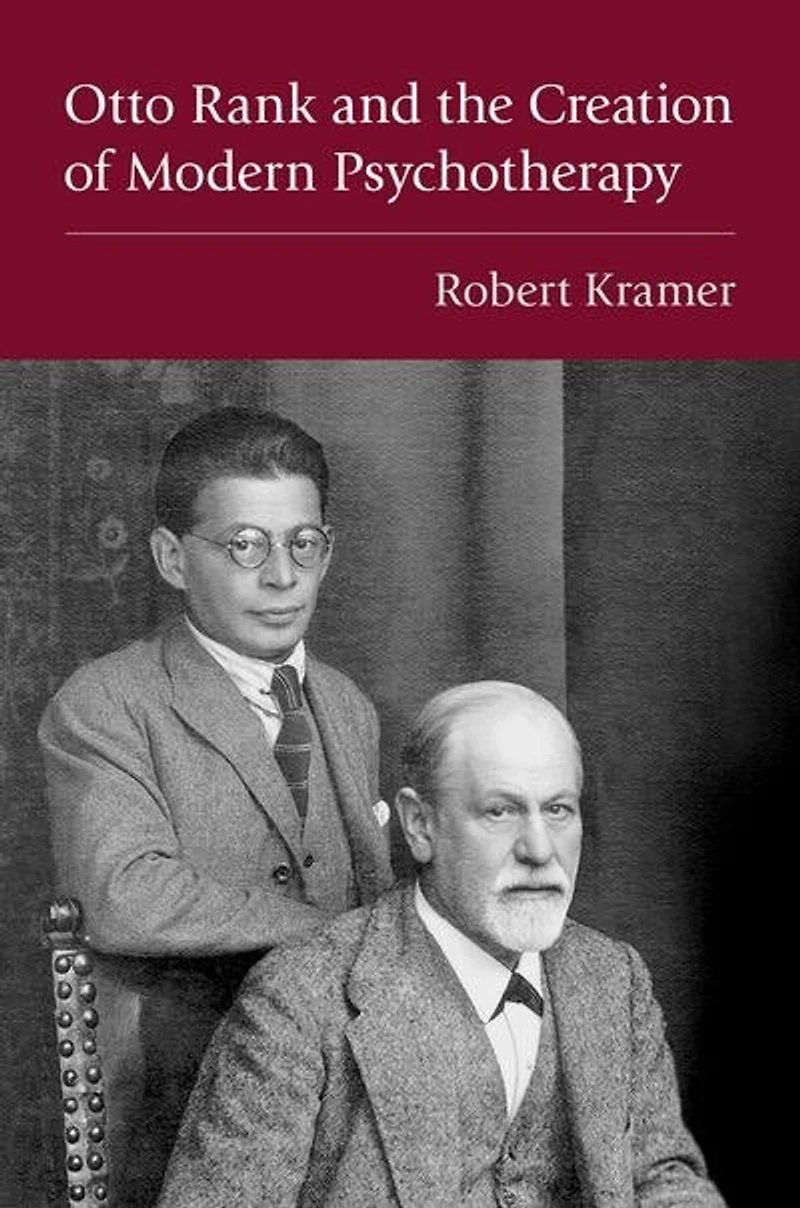
Otto Rank and the Creation of Modern Psychotherapy in Ottawa, ON
Current price: $50.70

Otto Rank and the Creation of Modern Psychotherapy in Ottawa, ON
Current price: $50.70
Loading Inventory...
Size: Hardcover
*Product information may vary - to confirm product availability, pricing, shipping and return information please contact Coles
Once considered Sigmund Freud's designated heir, Otto Rank was an interdisciplinary thinker and prodigious author of twenty-two books. After being expelled from Freud's inner circle in 1926--due to Freud's opposition to the pre-Oedipal thesis of The Trauma of Birth (1924)--Rank had a highly productive life as a teacher, psychotherapist, and writer. In this book, noted Rank scholar Robert Kramer argues that Rank, not Freud, created modern psychotherapy, which focuses on the therapist-client relationship. Rank's "will therapy" and his teaching on relationship and the creative will impacted not only modern psychotherapy but also social work and existential psychology. His influence can particularly be seen in the work of Carl Rogers (Psychotherapy), Jessie Taft and Virginia Robinson (Social Work), and Rollo May and Irvin Yalom (Existential Psychology). A dazzling thinker, Rank influenced many artists and writers, including Samuel Beckett, Salvador Dalí, Anaïs Nin, Henry Miller, Betty Friedan, D. W. Winnicott, and, most significantly, Ernest Becker, Pulitzer prize-winning author of The Denial of Death (1973). Kramer argues that if the 20th century was the century of Freud, the 21st century is shaping up to be the century of Rank as no other psychoanalyst's theories have ever been tested with as much empirical rigor, and across so many different cultures, as those of Rank. This book translates Rank's complex thought into language any reader can grasp easily.
Once considered Sigmund Freud's designated heir, Otto Rank was an interdisciplinary thinker and prodigious author of twenty-two books. After being expelled from Freud's inner circle in 1926--due to Freud's opposition to the pre-Oedipal thesis of The Trauma of Birth (1924)--Rank had a highly productive life as a teacher, psychotherapist, and writer. In this book, noted Rank scholar Robert Kramer argues that Rank, not Freud, created modern psychotherapy, which focuses on the therapist-client relationship. Rank's "will therapy" and his teaching on relationship and the creative will impacted not only modern psychotherapy but also social work and existential psychology. His influence can particularly be seen in the work of Carl Rogers (Psychotherapy), Jessie Taft and Virginia Robinson (Social Work), and Rollo May and Irvin Yalom (Existential Psychology). A dazzling thinker, Rank influenced many artists and writers, including Samuel Beckett, Salvador Dalí, Anaïs Nin, Henry Miller, Betty Friedan, D. W. Winnicott, and, most significantly, Ernest Becker, Pulitzer prize-winning author of The Denial of Death (1973). Kramer argues that if the 20th century was the century of Freud, the 21st century is shaping up to be the century of Rank as no other psychoanalyst's theories have ever been tested with as much empirical rigor, and across so many different cultures, as those of Rank. This book translates Rank's complex thought into language any reader can grasp easily.
You May Also Like
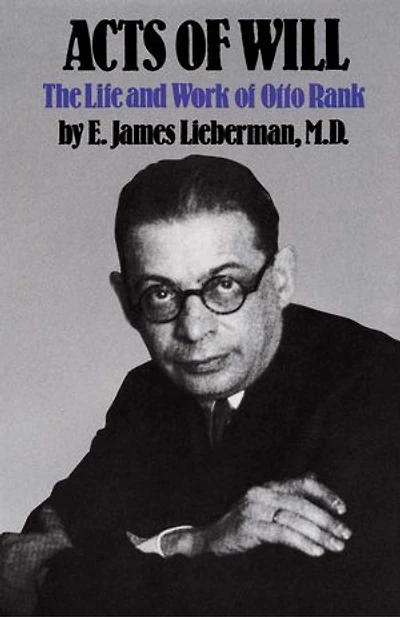











More About Coles at Bayshore Shopping Centre
Coles is renowned for its outstanding customer service and great selection of books. Along with the vast array of magazines, stationary, audio-books, children's literature, fiction, non-fiction and reference books, you can find accessories to make your reading experience more pleasurable. We can recommend the very best in reading today. We will help you search our titles for exactly what you need, and if we do not have it in stock, we will order it for you.
100 Bayshore Dr, Nepean, ON K2B 8C1, Canada
Find Coles at Bayshore Shopping Centre in Ottawa, ON
Visit Coles at Bayshore Shopping Centre in Ottawa, ON