

Give the Gift of Choice!
Too many options? Treat your friends and family to their favourite stores with a Bayshore Shopping Centre gift card, redeemable at participating retailers throughout the centre. Click below to purchase yours today!Purchase HereHome
Our Forest Legacy: A History of Antrim County Municipal Forest Management
Coles
Loading Inventory...
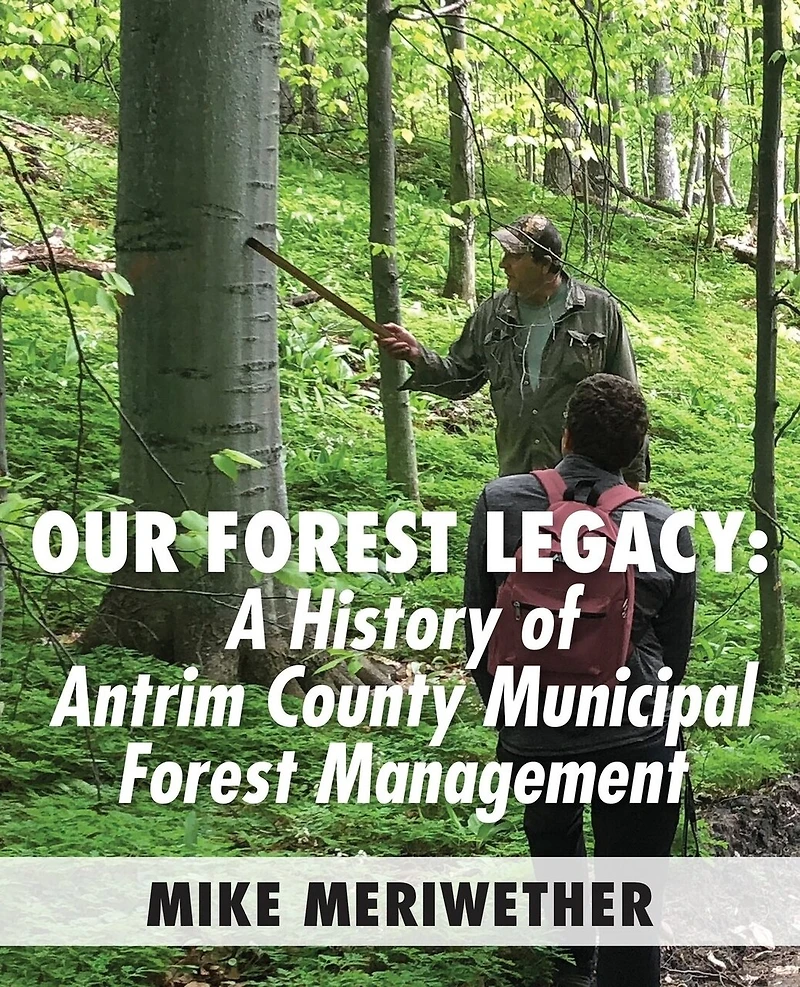
Our Forest Legacy: A History of Antrim County Municipal Forest Management in Ottawa, ON
Current price: $33.99

Our Forest Legacy: A History of Antrim County Municipal Forest Management in Ottawa, ON
Current price: $33.99
Loading Inventory...
Size: Paperback
*Product information may vary - to confirm product availability, pricing, shipping and return information please contact Coles
Antrim County, Michigan, is the second-largest owner of community forest lands in the state of Michigan. Our Forest Legacy: A History of Antrim County Municipal Forest Management highlights Antrim County's long dedication to land acquisition, forestry, and conservation from the 1930s to the present.
The county owns more than five thousand acres of public land devoted to various community usage. Roughly ninety percent of these properties have been devoted to forestry and the protection of natural areas and park lands. The purchase of community forests has allowed the county to generate income and to implement conservation practices that can be replicated on other privately owned properties.
This book provides some insight into the forest management activities that have occurred on each county-owned parcel. These include tree planting, forest improvement projects, harvesting projects, river restoration, and recreational projects.
Antrim County, Michigan, is the second-largest owner of community forest lands in the state of Michigan. Our Forest Legacy: A History of Antrim County Municipal Forest Management highlights Antrim County's long dedication to land acquisition, forestry, and conservation from the 1930s to the present.
The county owns more than five thousand acres of public land devoted to various community usage. Roughly ninety percent of these properties have been devoted to forestry and the protection of natural areas and park lands. The purchase of community forests has allowed the county to generate income and to implement conservation practices that can be replicated on other privately owned properties.
This book provides some insight into the forest management activities that have occurred on each county-owned parcel. These include tree planting, forest improvement projects, harvesting projects, river restoration, and recreational projects.
You May Also Like








More About Coles at Bayshore Shopping Centre
Coles is renowned for its outstanding customer service and great selection of books. Along with the vast array of magazines, stationary, audio-books, children's literature, fiction, non-fiction and reference books, you can find accessories to make your reading experience more pleasurable. We can recommend the very best in reading today. We will help you search our titles for exactly what you need, and if we do not have it in stock, we will order it for you.
100 Bayshore Dr, Nepean, ON K2B 8C1, Canada
Find Coles at Bayshore Shopping Centre in Ottawa, ON
Visit Coles at Bayshore Shopping Centre in Ottawa, ON