

Give the Gift of Choice!
Too many options? Treat your friends and family to their favourite stores with a Bayshore Shopping Centre gift card, redeemable at participating retailers throughout the centre. Click below to purchase yours today!Purchase HereHome
Painting by Numbers: Data-Driven Histories of Nineteenth-Century Art
Coles
Loading Inventory...
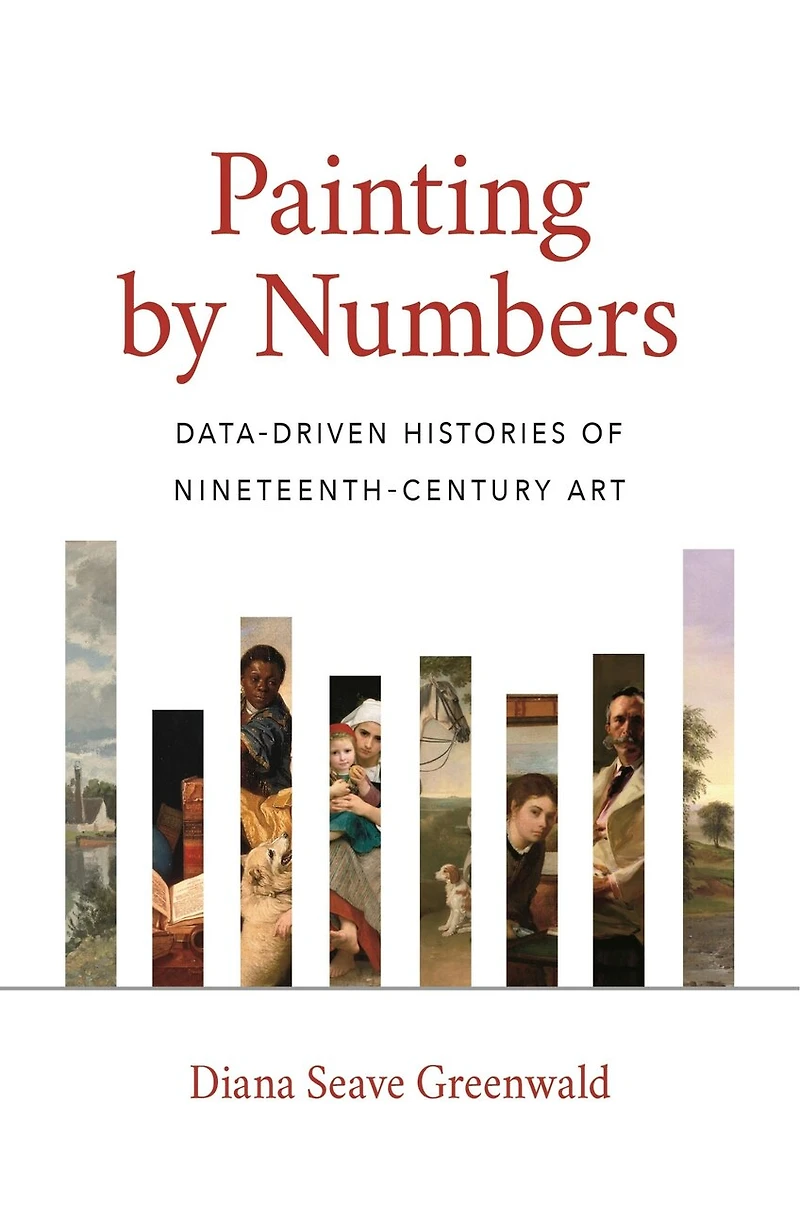
Painting by Numbers: Data-Driven Histories of Nineteenth-Century Art in Ottawa, ON
Current price: $60.00

Painting by Numbers: Data-Driven Histories of Nineteenth-Century Art in Ottawa, ON
Current price: $60.00
Loading Inventory...
Size: Hardcover
*Product information may vary - to confirm product availability, pricing, shipping and return information please contact Coles
A pathbreaking history of art that uses digital research and economic tools to reveal enduring inequities in the formation of the art historical canon
Painting by Numbers presents a groundbreaking blend of art historical and social scientific methods to chart, for the first time, the sheer scale of nineteenth-century artistic production. With new quantitative evidence for more than five hundred thousand works of art, Diana Seave Greenwald provides fresh insights into the nineteenth century, and the extent to which art historians have focused on a limited—and potentially biased—sample of artwork from that time. She addresses long-standing questions about the effects of industrialization, gender, and empire on the art world, and she models more expansive approaches for studying art history in the age of the digital humanities.
Examining art in France, the United States, and the United Kingdom, Greenwald features datasets created from indices and exhibition catalogs that—to date—have been used primarily as finding aids. From this body of information, she reveals the importance of access to the countryside for painters showing images of nature at the Paris Salon, the ways in which time-consuming domestic responsibilities pushed women artists in the United States to work in lower-prestige genres, and how images of empire were largely absent from the walls of London’s Royal Academy at the height of British imperial power. Ultimately, Greenwald considers how many works may have been excluded from art historical inquiry and shows how data can help reintegrate them into the history of art, even after such pieces have disappeared or faded into obscurity.
Upending traditional perspectives on the art historical canon, Painting by Numbers offers an innovative look at the nineteenth-century art world and its legacy.
A pathbreaking history of art that uses digital research and economic tools to reveal enduring inequities in the formation of the art historical canon
Painting by Numbers presents a groundbreaking blend of art historical and social scientific methods to chart, for the first time, the sheer scale of nineteenth-century artistic production. With new quantitative evidence for more than five hundred thousand works of art, Diana Seave Greenwald provides fresh insights into the nineteenth century, and the extent to which art historians have focused on a limited—and potentially biased—sample of artwork from that time. She addresses long-standing questions about the effects of industrialization, gender, and empire on the art world, and she models more expansive approaches for studying art history in the age of the digital humanities.
Examining art in France, the United States, and the United Kingdom, Greenwald features datasets created from indices and exhibition catalogs that—to date—have been used primarily as finding aids. From this body of information, she reveals the importance of access to the countryside for painters showing images of nature at the Paris Salon, the ways in which time-consuming domestic responsibilities pushed women artists in the United States to work in lower-prestige genres, and how images of empire were largely absent from the walls of London’s Royal Academy at the height of British imperial power. Ultimately, Greenwald considers how many works may have been excluded from art historical inquiry and shows how data can help reintegrate them into the history of art, even after such pieces have disappeared or faded into obscurity.
Upending traditional perspectives on the art historical canon, Painting by Numbers offers an innovative look at the nineteenth-century art world and its legacy.
You May Also Like














More About Coles at Bayshore Shopping Centre
Coles is renowned for its outstanding customer service and great selection of books. Along with the vast array of magazines, stationary, audio-books, children's literature, fiction, non-fiction and reference books, you can find accessories to make your reading experience more pleasurable. We can recommend the very best in reading today. We will help you search our titles for exactly what you need, and if we do not have it in stock, we will order it for you.
100 Bayshore Dr, Nepean, ON K2B 8C1, Canada
Find Coles at Bayshore Shopping Centre in Ottawa, ON
Visit Coles at Bayshore Shopping Centre in Ottawa, ON